
Donald Trump Threatens Dropping Bombs Again If No U.S.-Iran Deal Reached By Wednesday
Key Takeaways
- Trump warns the US would resume bombing Iran if no deal by the ceasefire deadline.
- The US blockade of Iranian ports would remain until a long-term nuclear deal is reached.
- Trump indicated he may not extend the ceasefire without a negotiated agreement.
Bombs, Blockade, Deadline
U.S. President Donald Trump told reporters that the United States will “have to start dropping bombs again” if no U.S.-Iran deal is reached by Wednesday, while also saying the U.S. blockade on Iranian ports will continue if a long-term agreement is not agreed.
Al Jazeera reported Trump said the US will “start dropping bombs again” if no Iran deal is reached by Wednesday, and The Hill likewise quoted Trump telling reporters aboard Air Force One that “we’ll have to start dropping bombs again” if no deal is reached by Wednesday’s deadline.

The Jerusalem Post added that Trump spoke to the media about updates “by the end of today,” and it also quoted Trump saying “Maybe I won't extend it, but the blockade [on Iranian ports] is going to remain.”
Multiple outlets tied the threat to the ceasefire timeline, with The Hill describing a temporary ceasefire ending next week and ynetnews saying Trump warned the U.S. may not extend the ceasefire if no Iran deal is reached by Wednesday.
NPR reported that Iran’s comments came the morning after Trump said the U.S. blockade of Iranian ports will remain and attacks could resume if no agreement is reached before the current ceasefire with Iran expires next week.
In parallel, Anadolu Ajansı reported Trump said the U.S. would retrieve Iran’s “nuclear dust” by force if a deal is not reached, while also ruling out tolls on the Strait of Hormuz, and it quoted Trump saying “If we don't do that, we will get it in a different form—a much more unfriendly form.”
Strait of Hormuz Reopened, Then Closed
As the ceasefire neared its end, Iran and the United States exchanged conflicting signals about the Strait of Hormuz, with NPR reporting that Iran said it had closed the Strait of Hormuz again after earlier announcements that it had reopened the waterway.
NPR said Iran “reinstated control of the Strait of Hormuz” and was reversing course on its decision to reopen the waterway “until the United States completely lifts its blockade of Iranian ports,” and it described the decision as reversing earlier announcements from Iranian officials and President Trump on Friday that the strait had reopened.

The report said the earlier reopening announcement had sent oil prices tumbling and stock markets rebounding, and it added that the latest announcement “reignited concerns about how shipments would get through the narrow waterway.”
NPR also cited the United Kingdom Maritime Trade Operations organization, saying it had received a report that a tanker near the strait was attacked by two Iran Revolutionary Guard Corps (IRGC) gun boats, while noting “No injuries were reported in the incident.”
The Hill stated that Trump reaffirmed the U.S. naval blockade would remain intact in the Strait of Hormuz, and it said the military imposed the blockade on Monday after Tehran announced new tolls on oil-carrying ships traveling through the trading corridor.
NDTV reported that Iran announced full reopening of the Strait of Hormuz to commercial vessels, while the U.S. maintained its blockade on Iranian ships, and it quoted Trump saying the American blockade “will remain in full force” until Tehran reaches a deal including on its nuclear programme.
Mediators, Talks, and Nuclear Terms
The negotiations described across outlets were mediated by Pakistan and centered on nuclear issues, with The Hill saying Pakistan has been mediating the negotiations between the two sides and quoting Pakistan’s foreign minister Mohammad Ishaq Dar saying he is “very hopeful” about the negotiations.
The Hill reported that Vance traveled to Pakistan last Saturday to begin direct talks with Iranian officials, and it said Vance announced after lengthy discussions that day that the two sides had “not reached an agreement.”
It also said Pakistani Prime Minister Shehbaz Sharif led the mediating efforts, and it added that Trump commended Pakistan’s mediation efforts on Thursday and indicated he may travel to Islamabad if a deal is reached.
ynetnews said CNN, citing sources in Iran, reported that another round of talks is expected in Pakistan on Monday, while it also said Trump told reporters negotiations would continue through the weekend.
Kurdistan24 described Trump warning that Washington could resume bombing Iran if negotiations fail to produce an agreement by the end of the current ceasefire, and it quoted Trump saying “The main thing is that Iran will not have a nuclear weapon.”
NPR added that the announcement about Iran’s Strait of Hormuz control came the morning after Trump said the blockade would remain and attacks could resume if no agreement is reached before the ceasefire expires next week, linking the diplomatic track to the military timeline.
Iran’s Response and Uranium Dispute
Iran’s position on the Strait of Hormuz and on uranium transfer was presented as conditional and contested, with multiple outlets quoting Iranian officials.
NPR said Iran’s announcement came after Trump said the blockade would remain and attacks could resume if no agreement is reached, and it described Iran’s reversal as tied to the demand that the United States completely lifts its blockade of Iranian ports.

Newsweek reported that Iran’s parliamentary speaker, Mohammed Bagher Qalibaf, said on X early on April 18 that the Strait will “not remain open” if the blockade is to continue.
Newsweek also said a spokesperson for Iran’s foreign ministry released a statement that transferring uranium to the U.S. “has not been an option,” and it quoted the statement: “enriched uranium is as sacred to us as Iranian soil and will not be transferred anywhere under any circumstances.”
ynetnews included a direct denial from Iranian Foreign Ministry spokesman Esmail Baghaei, quoting him: “The option of transferring Iran’s enriched uranium abroad has been rejected,” and it added that “Compensation for the losses and damage caused to Iran is a decisive issue in the negotiations.”
NDTV reported that Iranian Foreign Minister Abbas Araghchi posted on X that ships would use routes designated by the Islamic Republic in coordination with Iranian authorities, suggesting Iran planned to retain some level of control over the channel.
War Framing and Escalation Risks
Beyond the immediate deadline, outlets described how Trump linked the negotiations to broader conflict dynamics and how other actors framed the stakes.
“Iran's nuclear negotiations are at a critical stage; the Israeli prime minister is scheduled to meet the U”
The Jerusalem Post reported Trump said “It is regime change,” referring to the targeted killing of senior Iranian officials and their replacements, and it also quoted Trump telling the media “They have no navy, they have no air force, they have no leaders, they have no nothing,” while adding “Iran can’t blackmail us.”
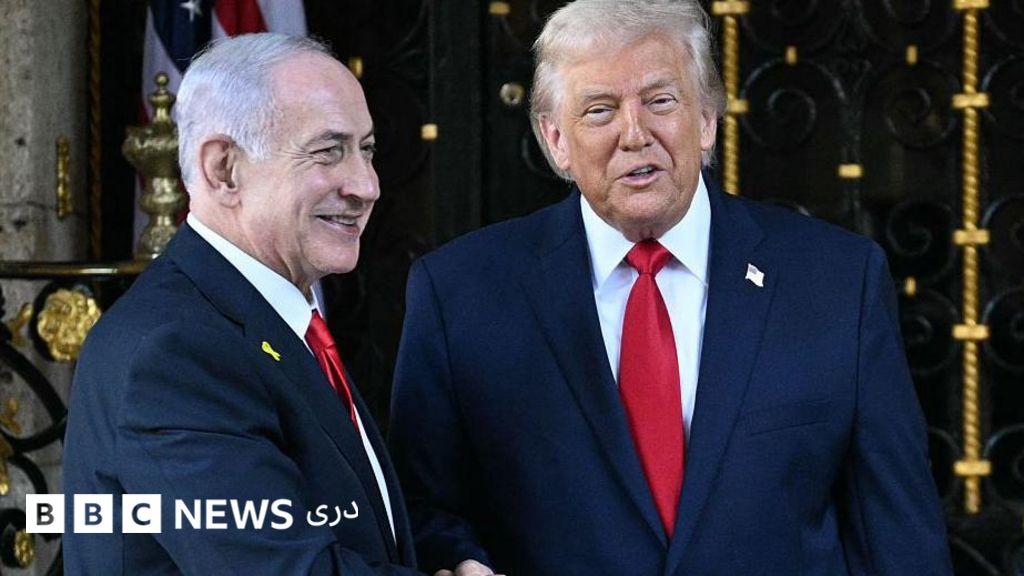
The Hill described that if negotiations fail and Trump gives the green light, the U.S. military in the U.S. Central Command region is prepared to conduct strikes against the regime’s military targets, and it tied the blockade to the Strait of Hormuz and to Tehran’s announcement of new tolls.
NPR added that the UK Maritime Trade Operations organization reported a tanker near the strait was attacked by two Iran Revolutionary Guard Corps (IRGC) gun boats, and it said no injuries were reported, placing maritime risk alongside the diplomatic standoff.
Newsweek said the ceasefire will expire on April 22, and it quoted Trump’s own uncertainty when asked whether he would extend it, including “I don’t know. Maybe I won’t extend it,” followed by “But the blockade is gonna remain. But maybe I won’t extend it. So you have a blockade, and unfortunately, we’ll have to start dropping bombs again.”
Finally, The Hill reported that Vice President Vance and several other U.S. diplomats traveled to Pakistan last Saturday to begin direct talks, and it said Trump indicated he may travel to Islamabad if a deal is reached, underscoring how the next steps were tied to whether an agreement emerges before the deadline.
More on Iran
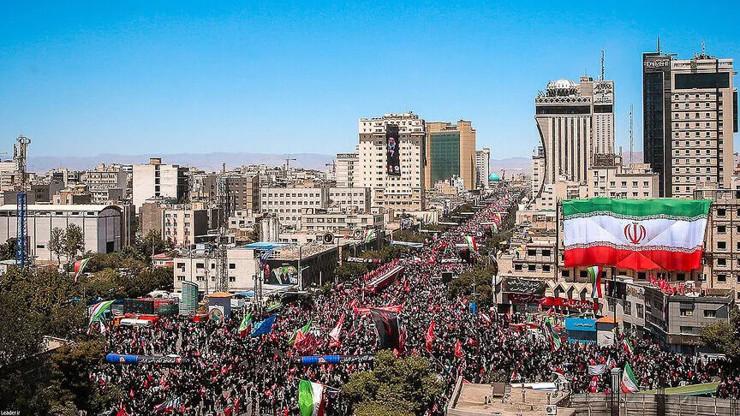
Israeli Strike Kills Ayatollah Ali Khamenei, Buried at Imam Reza Shrine in Mashhad
19 sources compared
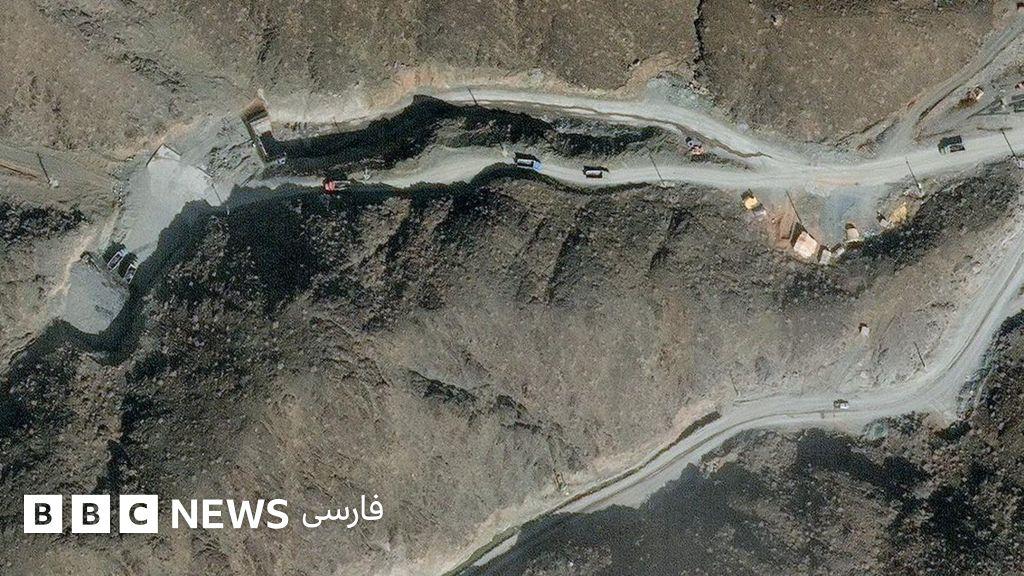
Iran Attempts To Restore Nuclear Sites Damaged In US And Israel Strikes, CNN Satellite Images Show
15 sources compared
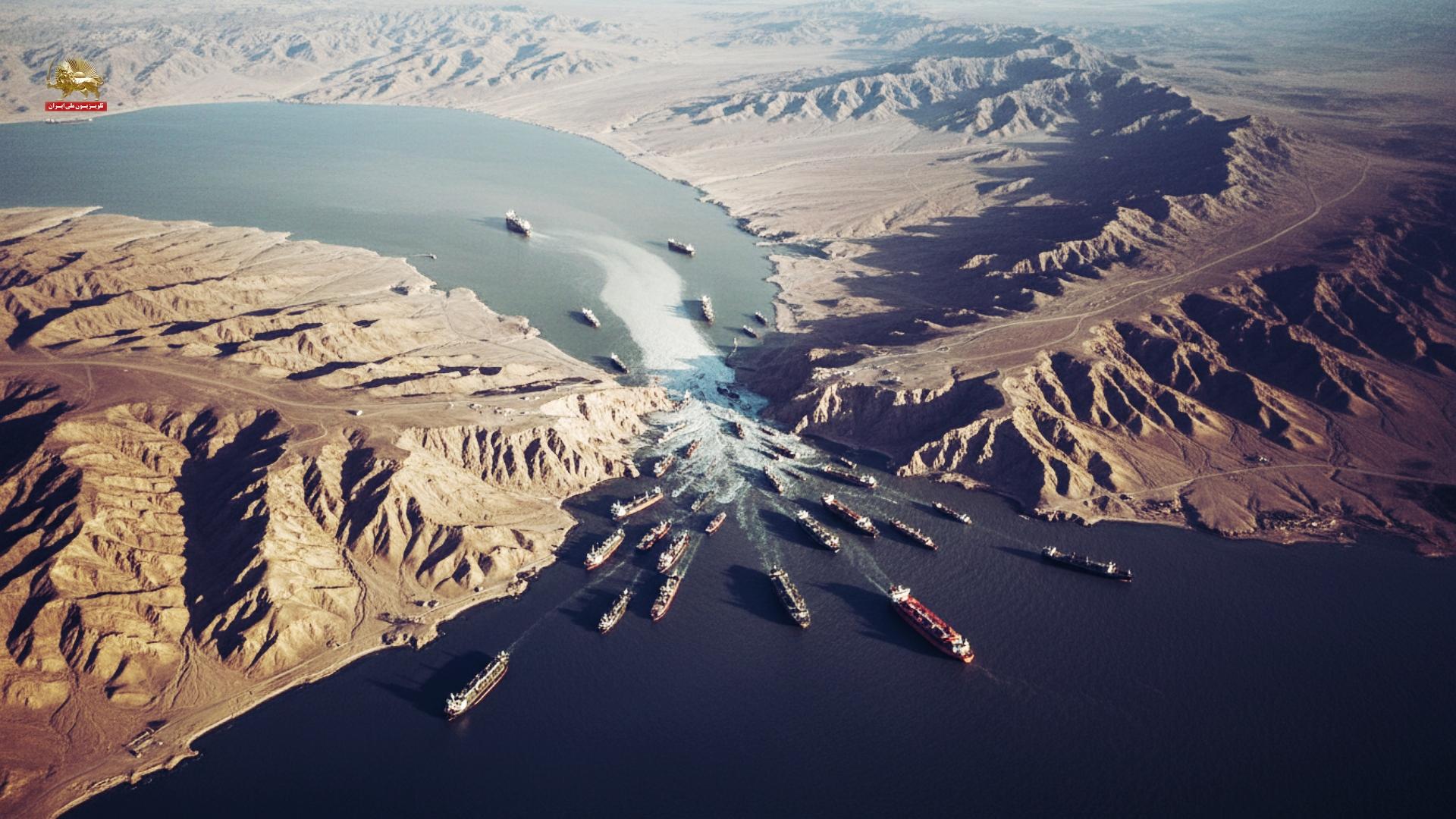
Abbas Araghchi and Prince Faisal Bin Farhan Discuss Regional Developments After US Attacks
11 sources compared

Trump Says U.S. Agreed to Continue Iran Talks, Ceasefire Is Over
19 sources compared