Full story
Deal Signed, Then Reversed
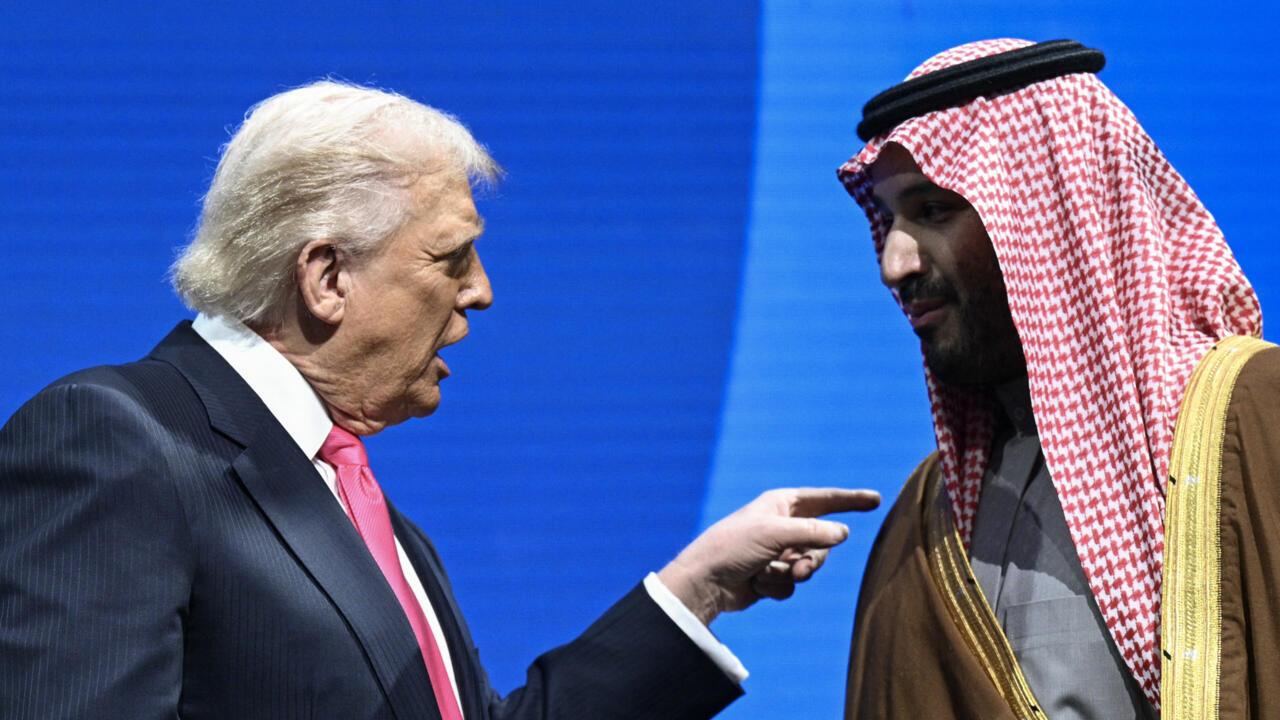
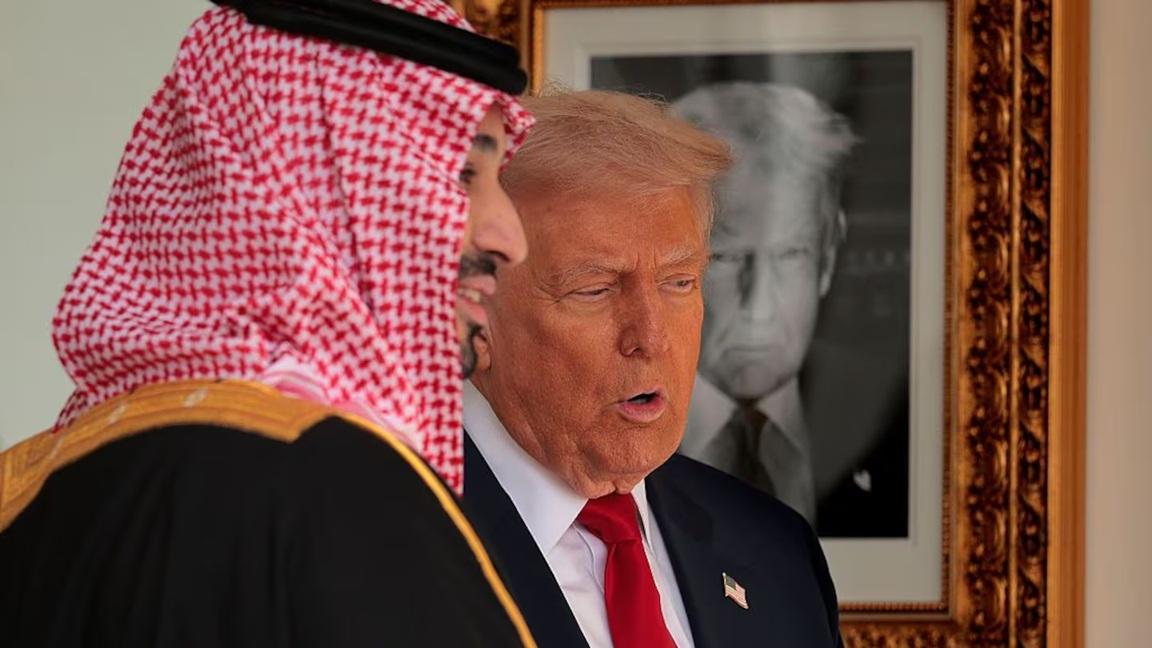
The United States and Saudi Arabia finalized a civil nuclear deal on July 22, granting Riyadh a potential route towards uranium enrichment, but less than 24 hours later President Donald Trump upended it by declaring on social media that approval was "totally subject to Saudi Arabia joining the very respected and successful Abraham Accords."
“The United States and Saudi Arabia have agreed a nuclear cooperation deal to establish a civilian nuclear programme in the kingdom”
Energy Secretary Chris Wright and his Saudi counterpart, Prince Abdulaziz bin Salman, had signed the arrangement at the Energy Department in Washington, capping off an effort decades in the making, and the BBC said the agreement was a turning point in an American approach that had long insisted Saudi Arabia normalize relations with Israel in exchange for nuclear technology.

The Atlantic reported that Trump’s post came "just before 8 a.m. today" and said the deal was conditioned on Saudi Arabia joining the Abraham Accords, even though neither agreement stipulated normalization as a precondition when it was unveiled.
The BBC also reported that it was unclear whether the Abraham Accords condition was included in the text of the agreement, which has not been released yet, or whether Saudi Arabia agreed to it or would be obligated to join those agreements.
The Washington Post said Trump added a new potentially deal-ending stipulation to an agreement signed just a day earlier, after the administration announced the signing without mentioning the precondition.
Leavitt Defends, Cook Questions
White House press secretary Karoline Leavitt defended Trump as the "final dealmaker" and said, "If they don't join the Abraham Accords, the deal is off," while conceding that Trump had not actually spoken to Saudi leadership around the time of his announcement.
NPR quoted Council on Foreign Relations senior fellow Steven Cook saying, "Does a social post supersede a signed diplomatic agreement?" and added that "No one in Washington really knows how it's going to work."

NPR also reported that Trump’s condition marked a turn a day after the administration announced the signing of the agreement without mentioning the precondition, and it said the Saudi kingdom has long insisted it will not normalize relations with Israel until there is a clear pathway to establish a Palestinian state.
The Week reported that the reversal blindsided Saudi officials who had regarded the signing as a genuine diplomatic win, and it said Trump’s turnaround appears driven by media pressure and internal frustration after Wright announced the deal without properly briefing him.
The Week further said the Wall Street Journal editorial board published a critique on July 23 and Fox News voiced surprise that the deal had gone through without an Abraham Accords commitment attached, as Trump posted his ultimatum on Truth Social.
Congress Review, Regional Stakes
The Al Jazeera explainer said the deal must first be submitted to the US Congress for review, but Trump’s new condition of Saudi-Israeli normalisation complicated the path forward, leaving it unclear when, or whether, the deal will be put before Congress.
“The Washington Nuclear Deal with Saudi Arabia Abandons Entrenched American Demands - Author: Daniel Bush - Role: BBC - Washington - Published - Reading time: 6 minutes The nuclear agreement negotiated by the administration of U”
Al Jazeera also reported that the new nuclear deal is expected to last 30 years and that the full text has not been released, while it said some details emerged through media reports including a provision that could see US companies build a uranium enrichment facility in the kingdom.
The Al Jazeera explainer quoted Steven Cook writing that Trump’s demand has left the deal "in a state of diplomatic suspension," and it said the IAEA is awaiting a request from Washington and Riyadh to implement verification measures under the bilateral safeguards agreement.
The Week said the agreement also appears to have stopped short of requiring Riyadh to sign the IAEA's Additional Protocol, which would subject the kingdom to more intrusive inspections of suspected covert sites, and it said that omission alarmed nonproliferation experts.
The Atlantic added that the deal’s opponents in the United States and Israel worry it might ultimately allow for uranium enrichment and that Trump just gave Crown Prince Mohammed bin Salman the tools he needs to build a bomb, while it said the framework could be improvised again if furor dies down.