Technology and Science10 June, 20263 min read
Doug Burgum Says Foreign-Sourced Dark Money Fuels Opposition to American Data Centers
This article is an automated aggregation of coverage from news outlets. Our editorials offer in-depth analysis curated by the NewsCord team.
Burgum said at a Harnessing American Power event that some opposition is foreign-sourced dark money. He said the opposition is not organic or local.
China-linked influence claims
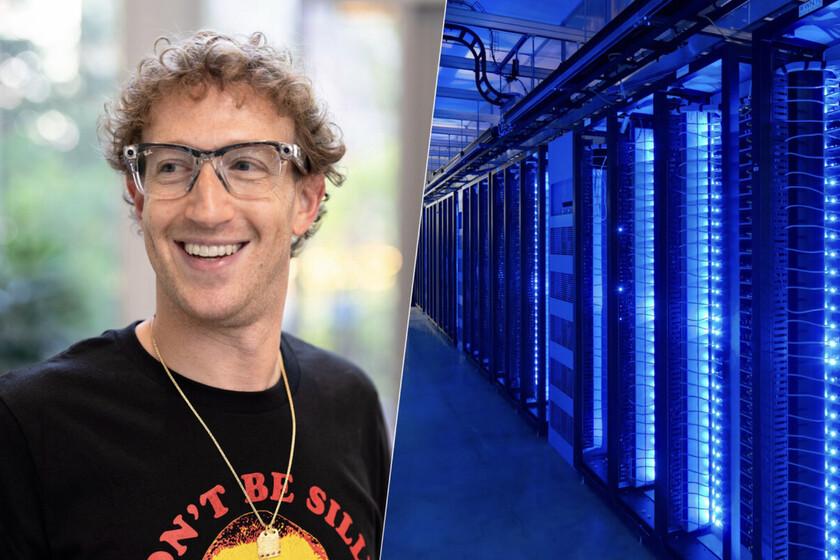
Interior Secretary Doug Burgum said at an event titled "Harnessing American Power" that local opposition to data centers in America was not "organic and local" and that "some of this is foreign-sourced dark money." On the podcast All-In, fund manager Gavin Baker told the hosts, "It is starting to feel or seem like there might be a CCP-funded campaign," as the theory that China is paying activists gained traction among Silicon Valley investors.
NPR and Media Matters for America both describe backlash to AI data centers, including Gallup polling that found "71% of Americans somewhat or strongly opposed construction of data centers in their communities." OpenAI said it banned a cluster of likely Chinese accounts that used ChatGPT to generate anti-data center content, and Ben Nimmo said, "We didn't see any signs that they succeeded," in a call with reporters.
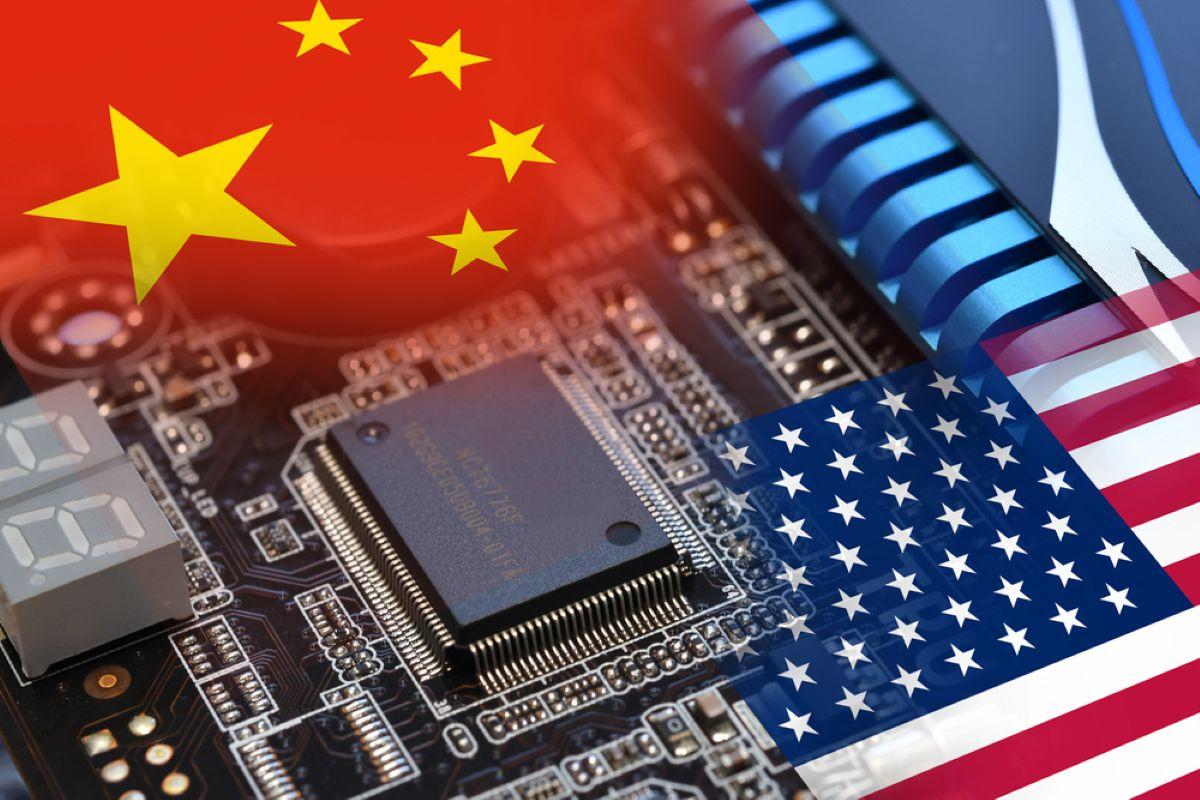
The dispute over foreign influence is playing out alongside specific political and business stakes, including a letter from Congressman Brett Guthrie, R-Ky., calling for a briefing to FBI Director Kash Patel and to David Sacks and Michael Kratsios.
O’Leary, Utah, and accounts
Kevin O'Leary, a Canadian multimillionaire and Shark Tank star, said that after a local planning council approved his Utah data center project in early May, he noticed an "immediate spike in misinformation" and that "We found two cells inside of Utah." O'Leary claimed that a nonprofit called Alliance for a Better Utah and a consultancy known as Elevate Strategies were operating on behalf of the Chinese government against the project his company, O'Leary Digital, is leading.
Gabi Finlayson, a senior partner at Elevate Strategies based in Salt Lake City, told NPR, "I think we have been as confused as anybody," and said, "We are certainly not a Chinese cell. Nobody pays us to make any content, let alone any foreign government." In parallel, Media Matters for America described Fox News and Fox Business hosting O'Leary and network personalities suggesting China was "undermining" the United States by "fueling anti-AI data center protests."

NPR also ties the claims to OpenAI’s account bans, noting that OpenAI said the operators posed as Americans and posted AI-generated comments and images highlighting energy demand and rising electricity costs.
AI infrastructure, chips, and enforcement
Beyond U.S. politics, multiple outlets describe a China-led push for AI infrastructure that would rely on domestic suppliers, including a plan in Beijing to direct roughly 2 trillion yuan ($295 billion) toward building AI data centers over the next five years. Quartz and Gadget Review both say the arrangement being considered would require at least 80% of hardware and software to come from Chinese vendors such as Huawei Technologies, a threshold that would leave Nvidia and AMD with little room to participate.
Quartz reports that China Mobile and China Telecom would take primary responsibility for running the facilities and maintaining connectivity, and that the blueprint remains in early discussions with an aim that by 2028 disparate data facilities be linked into a single coherent system. Gadget Review adds that Beijing’s National Development and Reform Commission is reportedly drafting plans for 2 trillion yuan ($295 billion) in AI computing infrastructure and that the plan would prioritize Chinese chip makers while sidelining Nvidia and AMD.
Meanwhile, enforcement and supply-chain disputes are also central to the technology story, with Les Affaires reporting that Yih-Shyan 'Wally' Liaw was indicted by a New York prosecutor for orchestrating diversion to China of servers containing NVIDIA AI chips in violation of U.S. export controls. Les Affaires says the indictment alleges the defendants used a shell company in Southeast Asia to move to Chinese customers servers assembled in the United States and equipped with NVIDIA B200 and H200 chips, for a total of at least US$2.5 billion since 2024.
The stakes extend to how AI chips are accessed and controlled, with Les Affaires also noting that this week NVIDIA CEO Jensen Huang announced the resumption of production of H200 chips to fulfill Chinese orders as part of an agreement negotiated with the Trump administration.