
Downing Street Insists Keir Starmer Will Remain Prime Minister For Years Ahead Of Elections
Key Takeaways
- Speculation about Starmer's future intensified ahead of the May 7 elections.
- Labour MPs publicly discussed leadership direction amid the PM's uncertainty.
- Coverage framed Starmer's fate as central to Labour's internal dynamics.
Starmer’s fate in doubt
Britain’s political temperature rose sharply as questions about Sir Keir Starmer’s future in Downing Street intensified, with Labour MPs and ministers publicly and privately weighing what comes next.
“- Published This was the week questions about the future of the prime minister took a turn for the worse for Sir Keir Starmer”
A BBC account described how “questions about the future of the prime minister took a turn for the worse,” pointing to a grim run of revelations that left Labour “gloomy, run down and irritated” ahead of elections around Britain “a week on Thursday.”
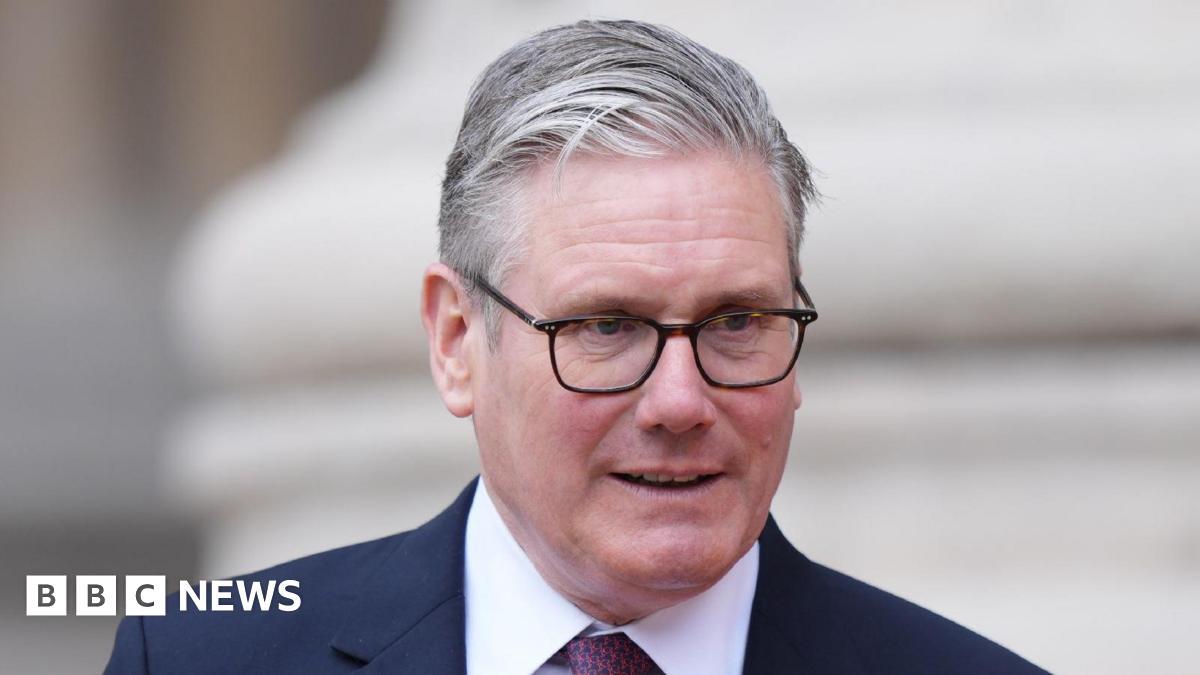
The BBC narrative tied the shift to the Guardian’s investigation about Lord Mandelson’s security vetting, saying it “dropped” mid-afternoon on Thursday of last week and that since then the story had “squatting on the news agenda.”
In parallel, the Guardian reported that “Less than a mile from the select committee room in Portcullis House where Olly Robbins held the prime minister’s future in his hands,” Labour MPs were “publicly workshopping how the party might look under new leadership.”
The Guardian framed the setting as the Good Growth Foundation’s conference on Pall Mall, but said it “felt like a Labour leadership beauty parade,” with former deputy prime minister Angela Rayner added “at the last minute.”
Meanwhile, HuffPost UK reported that Downing Street insisted Starmer “will remain prime minister for years,” quoting the prime minister’s spokesman saying the PM “will continue to lead the government throughout this parliament and beyond.”
Mandelson scandal and internal pressure
The political uncertainty described across outlets was repeatedly linked to the scandal surrounding Peter Mandelson’s appointment as the UK’s ambassador to Washington, and to how Labour figures discussed the risks before and after the decision.
The BBC said the week’s shift followed the Guardian’s investigation into “Lord Mandelson’s security vetting,” and it described how the story left Labour unable to focus on other priorities, including “crucial elections to the Scottish and Welsh parliaments and to many English local authorities.”

It also quoted Ed Miliband, a former party leader, acknowledging on Sky News that when Lord Mandelson was appointed he worried “it could blow up,” and said he discussed those concerns with cabinet colleague David Lammy, who he said shared them.
The BBC further described how Work and Pensions Secretary Pat McFadden appeared to “put a noticeable distance between himself and the news No 10 had been hawking their former director of communications Lord Doyle for a job as an ambassador,” while Foreign Secretary Yvette Cooper “went further – she was publicly aghast.”
HuffPost UK similarly said the claims about Starmer’s future came “amid claims Starmer could be forced to set out a timetable for his departure after the May 7 elections,” and it tied the pressure to “the scandal surrounding his decision to make Peter Mandelson the UK’s ambassador to Washington.”
The Guardian added that earlier, the energy secretary had been “even more candid in the TV studios,” revealing he and David Lammy discussed concerns that the appointment could “blow up.”
Competing messages from Downing Street and Labour MPs
Downing Street’s message was that Starmer’s leadership was not in question, while Labour MPs used the conference platform to argue for a different political focus and direction.
“Less than a mile from the select committee room in Portcullis House where Olly Robbins held the prime minister’s future in his hands, Labour MPs were publicly workshopping how the party might look under new leadership”
HuffPost UK reported that the prime minister’s spokesman insisted the PM “will continue to lead the government throughout this parliament and beyond,” and it quoted the spokesman saying, “He’s very focused on the job.”
The same HuffPost UK account said the spokesman pointed to a “significant programme of domestic reform,” including “bringing down NHS waiting lists, tackling the cost of living and investing in security and defence.”
By contrast, the Guardian described Angela Rayner’s speech as dismissive of the scandal occupying Westminster over Peter Mandelson, urging the government to “refocus on everyday hardships.”
Rayner told the conference, “Ordinary people fear they will once again pay the price,” and she said, “That is why this crisis calls for bold action. Help with people’s everyday housing, transport, energy and water costs.”
The Guardian also quoted Louise Haigh, a former transport secretary, arguing that the government had “mistaken rules for responsibility and until we change that, we will struggle to deliver renewal,” and she attacked the “obsession with fiscal headroom over all other measures of economic health.”
How outlets framed the same political crisis
While all three outlets described mounting pressure around Starmer’s leadership, they emphasized different mechanisms and different audiences, producing distinct narratives of the same underlying political crisis.
The BBC framed the story as a week of escalating questions, describing how Labour MPs looked toward elections “a week on Thursday” with “trepidation bordering on horror,” and it portrayed the Guardian’s Mandelson vetting investigation as the turning point that left ministers braced for “an avalanche of questions on the story of the day.”
It also described public distancing by ministers, saying Pat McFadden was “managing to put a noticeable distance between himself” and that Yvette Cooper was “publicly aghast,” and it quoted Jonathan Brash telling GB News that “Sir Keir's time was up.”
The Guardian, however, placed the emphasis on internal Labour debate and policy arguments, describing MPs “publicly workshopping how the party might look under new leadership” at the Good Growth Foundation conference, and it used the proximity to “Portcullis House” and “Olly Robbins” to underscore the sense of leadership uncertainty.
The Guardian’s focus on speeches and policy prescriptions included Louise Haigh’s critique of fiscal rules and Chris Curtis’s criticism of the 2024 election approach, quoting Curtis saying Labour’s strategy “had not won us a single vote” and that it equated to not “saying anything meaningful.”
HuffPost UK, in contrast, foregrounded Downing Street’s insistence that Starmer would not step aside, reporting that the spokesman said the PM “will continue to lead the government throughout this parliament and beyond” and that he “will continue to lead the government throughout this parliament and beyond.”
What happens next for Labour
The immediate political stakes described in the sources centered on upcoming elections and the possibility that Starmer’s leadership could face a more explicit timetable after those votes.
“Keir Starmer will remain prime minister for years despite mounting speculation over his future, Downing Street has insisted”
HuffPost UK said speculation about Starmer’s future included claims he could be forced to set out a timetable for his departure “after the May 7 elections,” when Labour are expected to suffer “huge losses.”
The BBC also pointed to elections around Britain “a week on Thursday,” specifically naming “the Scottish and Welsh parliaments and to many English local authorities,” and it described Labour MPs’ trepidation as the party prepared for those contests.
In the BBC’s account, the leadership pressure was not only internal but also played out through ministers’ public performances, including the “morning round” where ministers faced “an avalanche of questions” about the story of the day.
The Guardian’s conference reporting suggested that even as Mandelson-related controversy hung over Westminster, Labour MPs were simultaneously debating economic strategy, including the “growth ‘mission’” and the pledges “not to raise income tax or national insurance.”
Louise Haigh argued that Labour should revisit how the Office of Budget Responsibility assessed policy and said the government had been “guilty of treating the fiscal rules as the objective, rather than designing our fiscal strategy and economic strategy to achieve our objectives.”
More on Britain
No 10 Says Falklands Sovereignty Rests With UK After Leaked Pentagon Email Review Options
17 sources compared

Lyrid Meteor Shower Peaks Over United Kingdom Wednesday Night, With Up to 20 Meteors Per Hour
10 sources compared
Morgan McSweeney Faces MPs Over Lord Mandelson Security Vetting Pressure
23 sources compared
King Charles III Says Queen Elizabeth II Would Have Been Deeply Troubled By Today’s World
10 sources compared