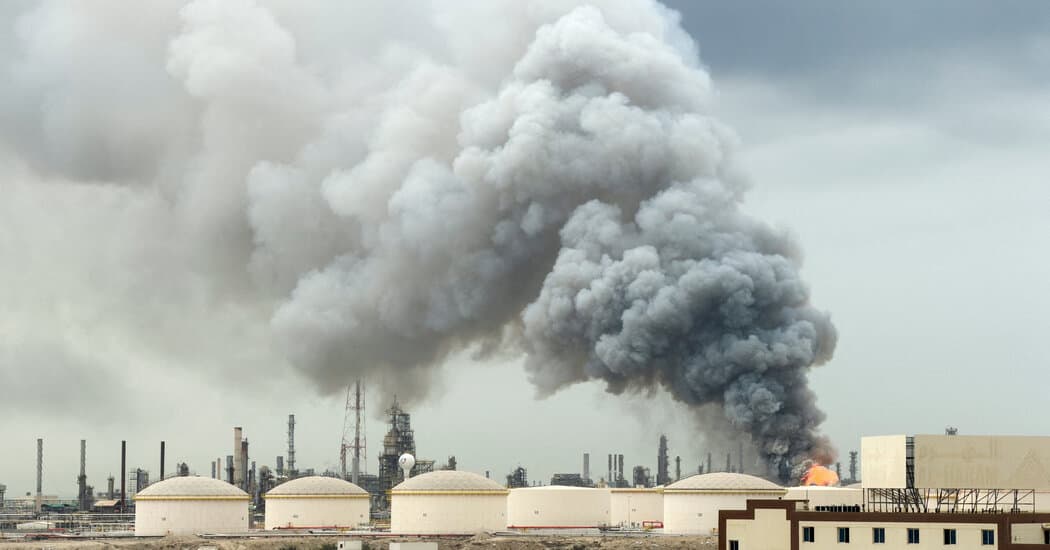
Dozens Wounded in Bahrain as Arab States Condemn Iranian Strikes
Key Takeaways
- Iranian airstrikes on Bahrain wounded more than 30 people.
- Strikes sparked a fire near a petroleum refinery, Bahraini authorities said.
- Gulf Arab states condemned Iran and criticized missile and drone barrages.
Airstrikes on Bahrain
Iranian airstrikes on Bahrain wounded 32 people on Monday, four of them seriously, and included four minors, one a 2-month-old baby, Bahraini authorities said.
“War in theMiddle East Advertisement Supported by Key U”
The strikes hit Sitra, an island near the capital Manama, and sparked a fire near part of the Bapco Energies refinery complex.
A separate fire in Ma’ameer was attributed to 'Iranian aggression' and was brought under control with no casualties.
Hours after the attack Bapco Energies invoked force majeure, saying the war prevented it from meeting contractual obligations.
Iran strikes on neighbors
The article reports that Iran has fired “hundreds of missiles and drones” at its neighbors since Israel and the United States began a military campaign against Iran just over a week ago.
Iran says it is targeting American military bases, but the strikes have killed civilians and damaged airports, hotels and energy infrastructure.
Bahrain’s Defense Force said its air defenses destroyed 102 missiles and 171 drones since what it described as an Iranian attack began on Feb. 28.
Saudi authorities reported that two civilians were killed on Sunday in Al Kharj after a “military projectile” fell on their residence.
Gulf reactions and apology
Key U.S. allies in the Persian Gulf sharply condemned the strikes.
“War in theMiddle East Advertisement Supported by Key U”
Saudi Arabia said Iran's attacks against "Arab, Islamic, and friendly countries" could not be accepted or justified and said it retained the right to take necessary measures to safeguard its security.
Qatar issued a similar condemnation, blamed Iran for the Saudi civilian deaths, and warned of "dangerous escalation."
The article notes that relations between some Gulf states and Iran had been warming until the U.S.-Israeli military campaign set off the recent Iranian retaliatory strikes.
Masoud Pezeshkian, Iran's president, apologized on Saturday for the waves of attacks but quickly backtracked after criticism from other Iranian leaders.
More on Iran
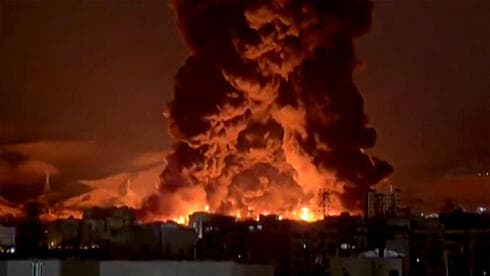
US obliterates military targets on Iran’s Kharg Island, Trump warns
13 sources compared
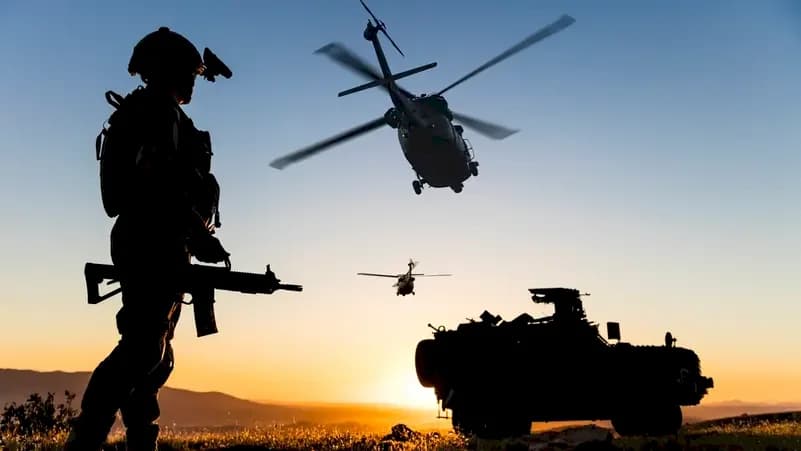
US Deploys About 2,500 Marines to Middle East After Iran Attacks Gulf Shipping
33 sources compared
FBI Warns of Iranian Drone Plot Based on Unverified Tip; California Says No Credible Threat
10 sources compared

White House Demands ABC Retract Report Claiming Iran Sought To Launch Drone Attacks On California
11 sources compared