Europe30 October, 20253 min read
Dutch Voters Reject Far-Right Wilders as Liberal D66 Surges to Tie in Election
This article is an automated aggregation of coverage from news outlets. Our editorials offer in-depth analysis curated by the NewsCord team.
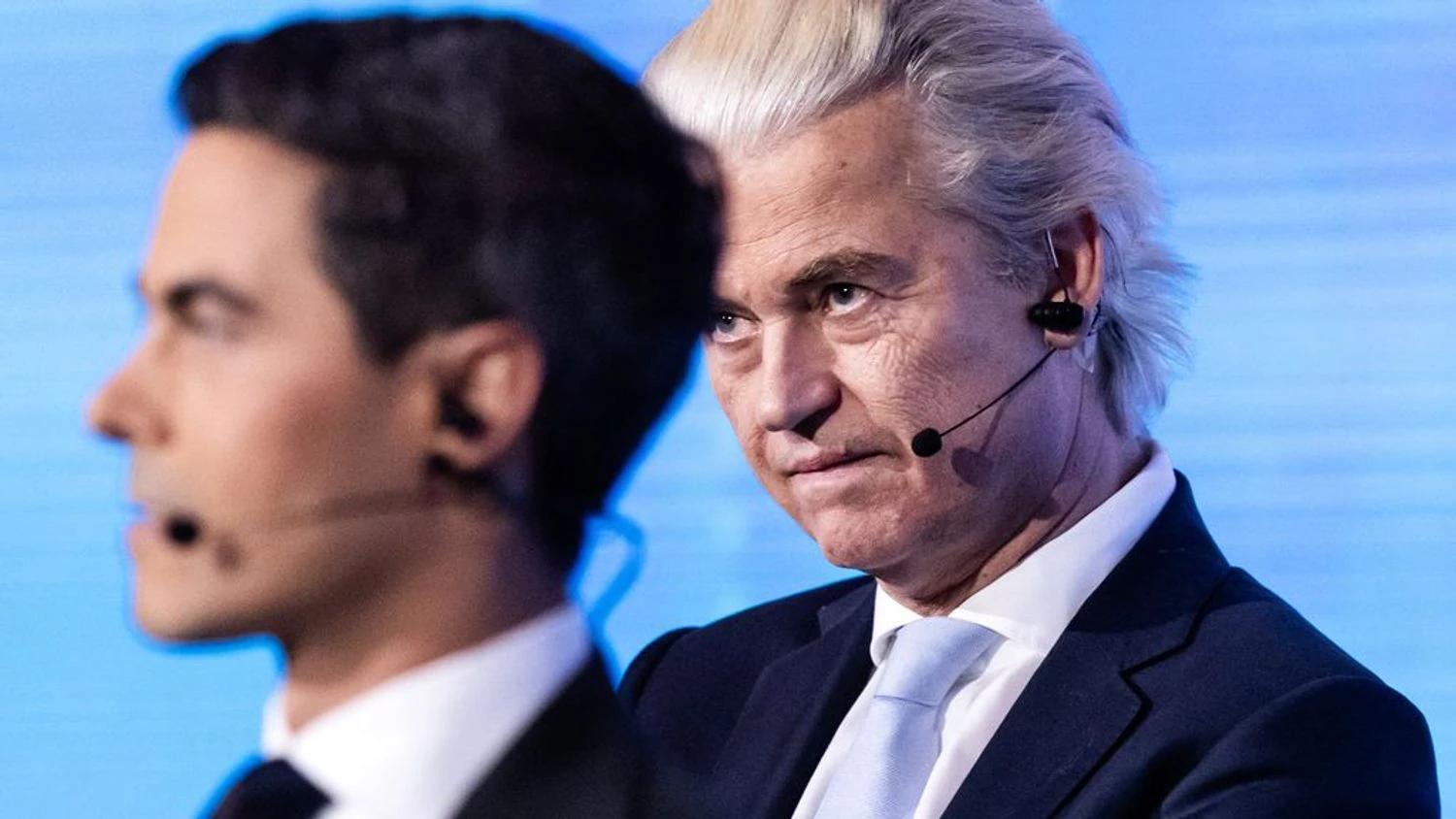
Centrist D66 and far-right PVV each won 26 seats in the 150-seat Dutch parliament. PVV lost 11 seats from 37 in 2023, while D66 nearly tripled its seats from 9 to 26.
33 outlets told this the same way.
Outlets did split on Marco Rubio Urges Europe To Awaken From Slumber In Athens Speech →
Dutch Election Results Deadlock
Dutch voters delivered a shock deadlock in the recent election. With nearly all votes counted, centrist-liberal D66 and Geert Wilders’ far-right PVV are tied at 26 seats apiece. Certification of the final tally has been slowed by logistical setbacks.
“In the recent Dutch parliamentary elections, the left-liberal party D66 and Geert Wilders' right-wing Party for Freedom (PVV) are tied with 26 seats each, based on about 90% of votes counted.”
NL Times reports both parties are tied with 26 seats each after nearly all votes, with final results still pending from Amsterdam and overseas voters. Bluewin likewise notes a tie based on about 90% of votes counted. Salisbury Journal says both parties secured 26 seats each.
UPI frames the outcome as D66 increasing their seats from 9 to 26, while PVV dropped from 37 to 26 seats. UPI interprets the near-equal finish as a rejection of PVV leader Geert Wilders.
AP News underscores that final vote counts are still underway, delayed by logistical problems such as a fire at a vote-counting center. Certification of the results is expected next week.
Election Seat Changes Overview
Accounts differ on the extent of D66’s gains and PVV’s losses. WSAV-TV and Bluewin report that D66 gained 17 seats. Several sources, including 10TV and United News of Bangladesh, state an 11-seat gain for D66.
UPI notes that D66’s seats increased from 9 to 26. Al Jazeera describes the increase as nearly tripling to 26 seats. Most sources agree that PVV experienced a significant decline.

WSAV-TV and 10TV mention an 11-seat loss for PVV. UPI reports PVV’s seats dropping from 37 to 26. These differences arise from varying baselines, such as previous elections versus recent polls, and ongoing updates as late ballots are counted.
Coalition Formation Challenges
Coalition arithmetic now dominates the political landscape. Multiple outlets report that no party can govern alone and a multi-party pact—likely involving at least four parties—will be necessary. Belga states that no single party has achieved a majority, making a coalition of at least four parties essential.
“Government formation will require a complex coalition of at least four parties... Wilders is unlikely to become prime minister as mainstream parties have ruled out forming a coalition with him.”
This view is echoed by Al Jazeera. Bluewin and The National note that major parties have ruled out partnering with Wilders due to his hardline stance and the collapse of the previous government. WSAV-TV similarly reports that mainstream parties refuse to partner with him and suggests centrist combinations instead.
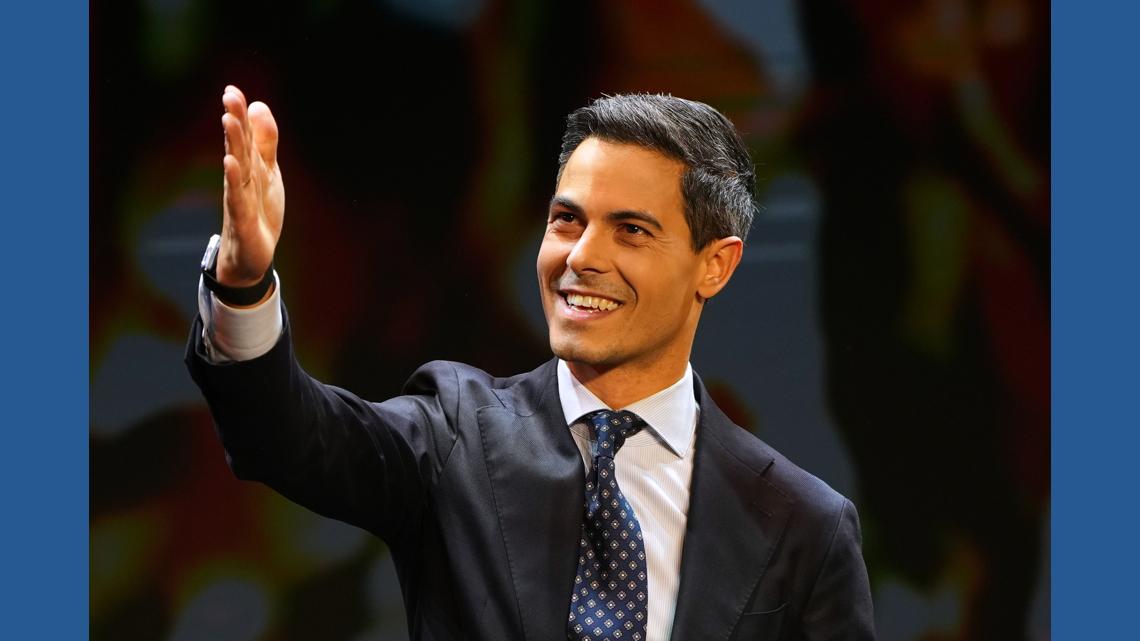
Several sources indicate that D66’s Rob Jetten could lead coalition talks. However, others emphasize that both PVV and D66 claim the right to lead pending final confirmation.
Vote Count Uncertainty
Margins and mechanics underline the uncertainty. United News of Bangladesh reports the rivals are separated by about 2,000 votes nationwide. Falmouth Packet echoes this with a figure of just over 2,000 votes.
Fine Day 102.3 states the difference is under 3,000 votes. NL Times notes some areas—including Amsterdam and overseas voters—are still to be counted.
AP News says certification is expected next week after a fire-related delay. Such slim margins, late counts, and procedural delays explain why outlets differ on who leads and by how much at various moments.
Dutch Election Results Analysis
Outside the raw numbers, coverage diverges on implications. Politico.eu calls it a “surprising tie” that positions Rob Jetten as “the likely next prime minister.” El País argues that despite Wilders’ loss, his ideas have “permanently shifted the political landscape.”
“The recent Dutch election resulted in a surprising tie between the centrist liberal party D66... and the far-right Party for Freedom (PVV)... each projected to win 26 seats... positions Jetten as the likely next prime minister.”
The Guardian reports PVV was “narrowly leading” at one point, yet says major parties have ruled out coalitions with PVV, making it “likely that D66… will lead coalition talks.” Other outlets like Evrim Ağacı report exit polls with D66 on 27 and PVV on 25, underlining the fluidity pre-count.

Bloomberg projects D66 at 26, consistent with most tallies. Some coverage—such as The National—also provides broader context on why parties exclude Wilders, while occasionally veering off-topic in the same article.