Europe29 October, 20252 min read
Dutch Voters Reject Far-Right Wilders, Elect Centrist Jetten to Lead Government
Centrist liberal party D66, led by Rob Jetten, won 27 seats in Dutch parliamentary election. Far-right Party for Freedom (PVV) led by Geert Wilders secured 25 seats but lost ground.

14 outlets told this the same way.
Outlets did split on Marco Rubio Urges Europe To Awaken From Slumber In Athens Speech →
Dutch Election Results Overview
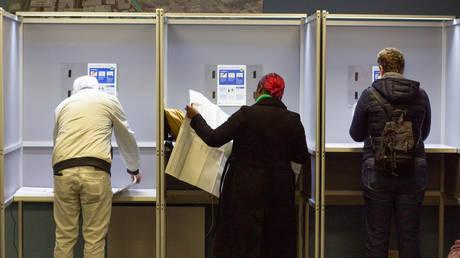
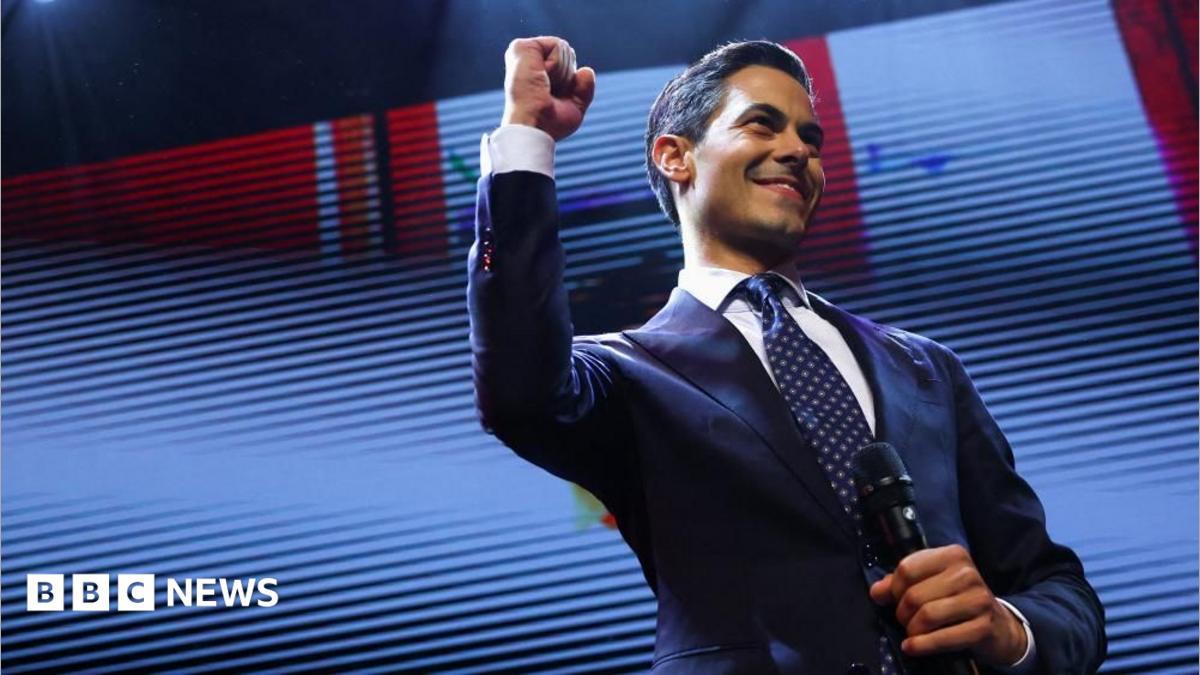
Exit polls from a snap Dutch election indicate a clear setback for Geert Wilders’ far-right PVV party. Rob Jetten’s centrist D66 is projected by multiple outlets to be the largest party with 27 seats. Several Western mainstream and alternative sources describe a broader shift away from the far right.
“D66, led by Rob Jetten, is projected to narrowly surpass Geert Wilders’ far-right Party for Freedom (PVV) to claim the top spot with 27 seats versus PVV’s 25, according to exit polls.”
Mainstream parties have refused to collaborate with Wilders, positioning Jetten to attempt forming a coalition first. Projections for PVV vary across outlets, with many estimating around 25 seats and one Asian outlet citing 23. The GreenLeft–Labour alliance underperformed with roughly 20 seats, leading to Frans Timmermans’ resignation according to several reports.

Election Drivers and Perspectives
The election result was driven by a contest focused on migration and a severe housing crisis. D66 campaigned as pro-European Union, climate-focused, and moderate. Several reports indicate that voters sought stability and rejected Wilders’ anti-migration position.
Other analyses offer different explanations for the housing shortage, with Wilders blaming migration while alternative views point to demographics and planning issues. Jetten promoted an optimistic message that opposed polarization. Some coverage places the vote within a broader European context, where far-right parties are gaining influence.
Dutch Coalition Negotiations
Coalition arithmetic looms large as several outlets report that mainstream parties have ruled out partnering with Wilders. This gives Jetten the first opportunity to initiate talks, though forming a majority will be complex and could take months. Projections for potential partners differ by outlet, with some placing the VVD at 23 seats and the CDA at 19.
“Jetten pledged to form a stable coalition, though negotiations are expected to take months.”
One report, however, puts both VVD and the Christian Democrats at 19 seats each. Another report states that Jetten aims to work with Labour-GreenLeft and the Christian Democrats. All sources agree that no party has a majority and that negotiations will be protracted.
International Views on Dutch Election
Beyond the arithmetic, international framing and leadership symbolism differ. The Guardian suggests Jetten could become the Netherlands’ first openly gay prime minister. Euractiv describes him as a potential first, underscoring uncertainty until coalition talks conclude.
Euractiv uniquely foregrounds foreign policy, saying Jetten has emphasized strong support for Ukraine and the need to defeat Vladimir Putin. West Asian and tabloid outlets place the Dutch vote within Europe’s broader far-right surge, contrasting the Dutch shift with gains in Britain, France, and Germany.
Election Coverage and Discrepancies
Some coverage reveals unresolved or conflicting elements. The BBC’s pre-election read said Wilders was likely to win the most votes, whereas most exit polls described by Politico.eu and the Daily Mail showed D66 ahead, underscoring timing differences between forecasting and post-vote projections. Outlets also diverge on why the previous government fell.
“Geert Wilders likely to win the most votes but unlikely to form a government due to other parties refusing to work with him after his role in the previous coalition's collapse.”
Politico.eu cites a PVV-led coalition collapsing amid internal disputes. Daily Mail and TRT World point to migration and asylum policy disputes.
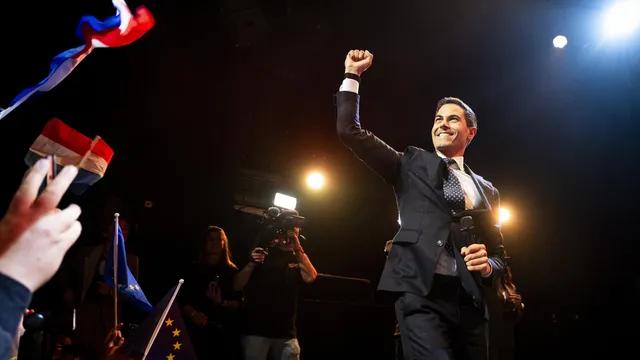
The Guardian says the election was called after Wilders withdrew the PVV from government over radical anti-refugee policies. Reports agree PVV lost ground from 2023, but vary on totals and tone in Wilders’ response, from 'defiant' to 'confident' or 'steadfast.'