Europe01 November, 20252 min read
Dutch Voters Reject Far-Right Wilders, Elevate Liberal Rob Jetten to Lead Government Talks
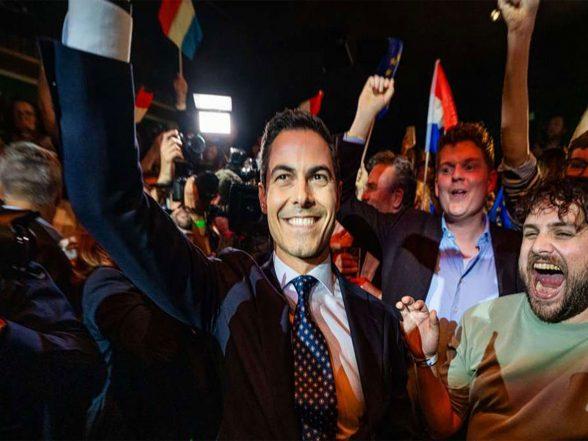
Centrist D66 narrowly won the Dutch general election, surpassing far-right Freedom Party. Rob Jetten, 38, is poised to become the youngest and first openly gay Dutch Prime Minister.
12 outlets told this the same way.
Outlets did split on Marco Rubio Urges Europe To Awaken From Slumber In Athens Speech →
Dutch Election Results Overview
Dutch voters delivered a razor-thin edge to Rob Jetten’s pro-EU D66 over Geert Wilders’ PVV. Several outlets report both parties at roughly 26 seats, with D66 ahead by about 15,000 votes. D66 may gain a 27th seat as late postal and overseas ballots are tallied.
“D66 leader Rob Jetten narrowly leads far-right leader Geert Wilders by about 15,000 votes, with both parties projected to win around 26 seats each in the 150-seat parliament.”
Coverage differs on whether to frame this as a lead or a victory. Some emphasize the close seat parity and pending ballots. Others describe a clear defeat for Wilders and a breakthrough for Jetten’s liberals against the far right and populism.

Jetten's Political Rise
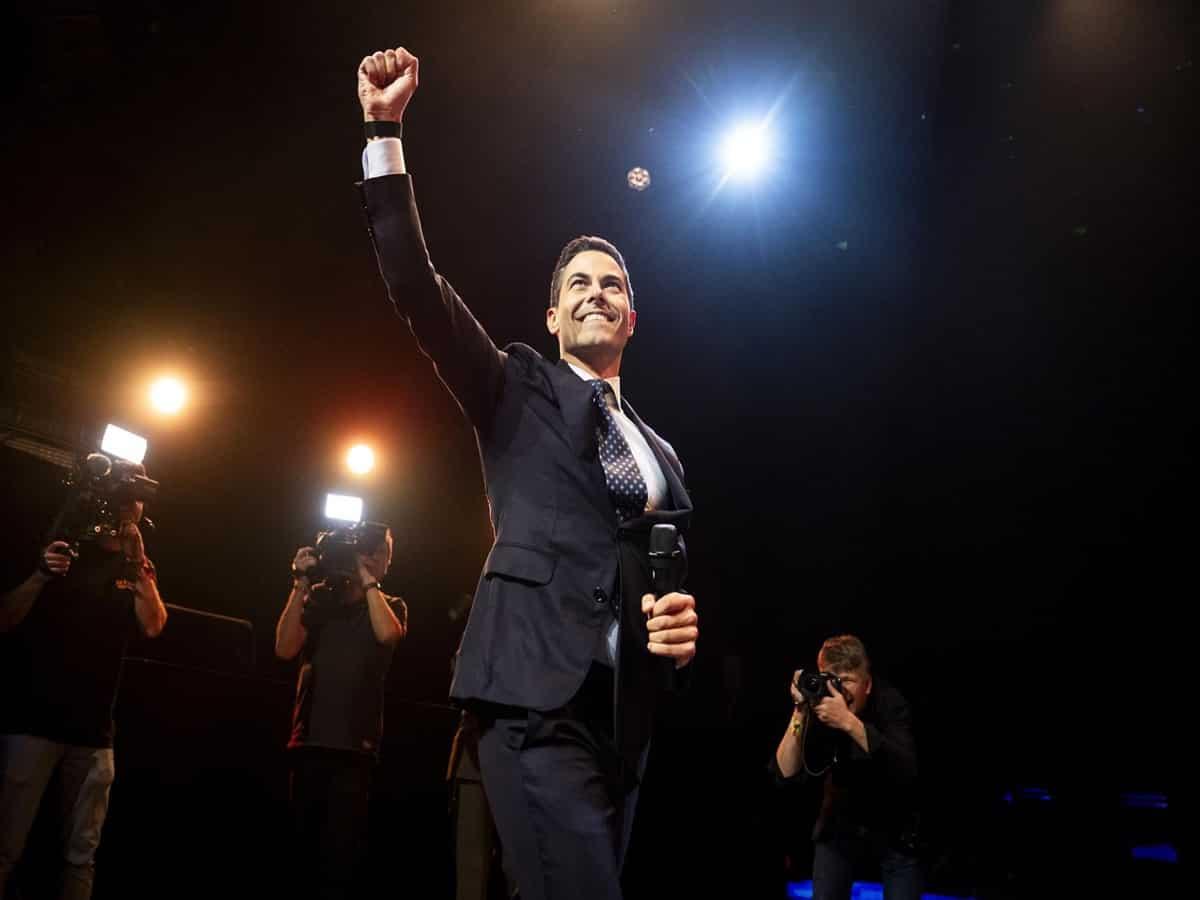
Jetten’s profile and message loom large in coverage. He is presented as a 38‑year‑old, openly gay liberal who surged from nine to roughly 26 seats on a constructive, pro‑EU campaign. He could become the youngest, and first openly gay, Dutch prime minister.
Human‑interest details, such as his public thanks to his fiancé on election night, sit alongside analyses that credit a positive, inclusive strategy. Concrete planks on housing, education, and immigration helped win key cities and expand D66’s base beyond traditional elites.

Coalition Formation Process
Attention now shifts to coalition building. Jetten has called for a swift, broad “grand coalition” that could include the centre-right CDA, liberal VVD, and the left-wing Green/Labour bloc. However, the VVD leadership has reservations about working with the Greens/Labour.
“Jetten called for a swift formation of a 'grand coalition' including centre-right CDA, liberal VVD, and left-wing Green/Labour parties.”
Several outlets underscore the formal process and arithmetic involved in forming a coalition. A ‘scout’ will sound out options for possible alliances.
A majority requires 76 seats in the parliament. Caretaker Prime Minister Dick Schoof remains in office during the lengthy talks, which could extend until Christmas.
Wilders' Political Isolation
Wilders remains influential but increasingly isolated. He disputes Jetten’s early victory framing and vows to oppose left‑liberal policies. All major parties have ruled out working with him.
Even other far‑right forces are not uniting. Forum for Democracy gained seats, but Wilders has rejected any alliance with them. Multiple outlets add that PVV’s exclusion from talks leaves D66 to court partners across the spectrum.

Shift Toward Centrist Cooperation
Beyond the numbers, outlets converge on a broader turn toward centrist cooperation yet diverge on recent governance history and add tangential notes. The Spectator Australia says the vote reflects a shift from populist confrontation toward pragmatic, centrist cooperation. The Australian similarly sees voter interest in centrist cooperation.
“Overall, the election reflects a shift from populist confrontation toward pragmatic, centrist cooperation in Dutch politics.”
El País, however, frames this as a return to stability after two years of tension under Wilders’ outgoing government, a description at odds with multiple reports of Dick Schoof leading a caretaker cabinet. Several outlets also note that results were still being finalized and talks could stretch to Christmas under the caretaker PM.