
Ecuador Declares War on Drug Gangs, Deploys 75,000 Soldiers and Police
Key Takeaways
- More than 75,000 police and military deployed in four provinces.
- Nighttime curfew imposed in those four provinces.
- US-backed crackdown against drug gangs, with Washington providing support.
War Declaration
Ecuador has declared war on drug gangs and deployed a massive force of 75,000 soldiers and police officers to combat organized crime.
“This video is exclusive to subscribers”
This operation marks a dramatic escalation in the country's battle against criminal networks.
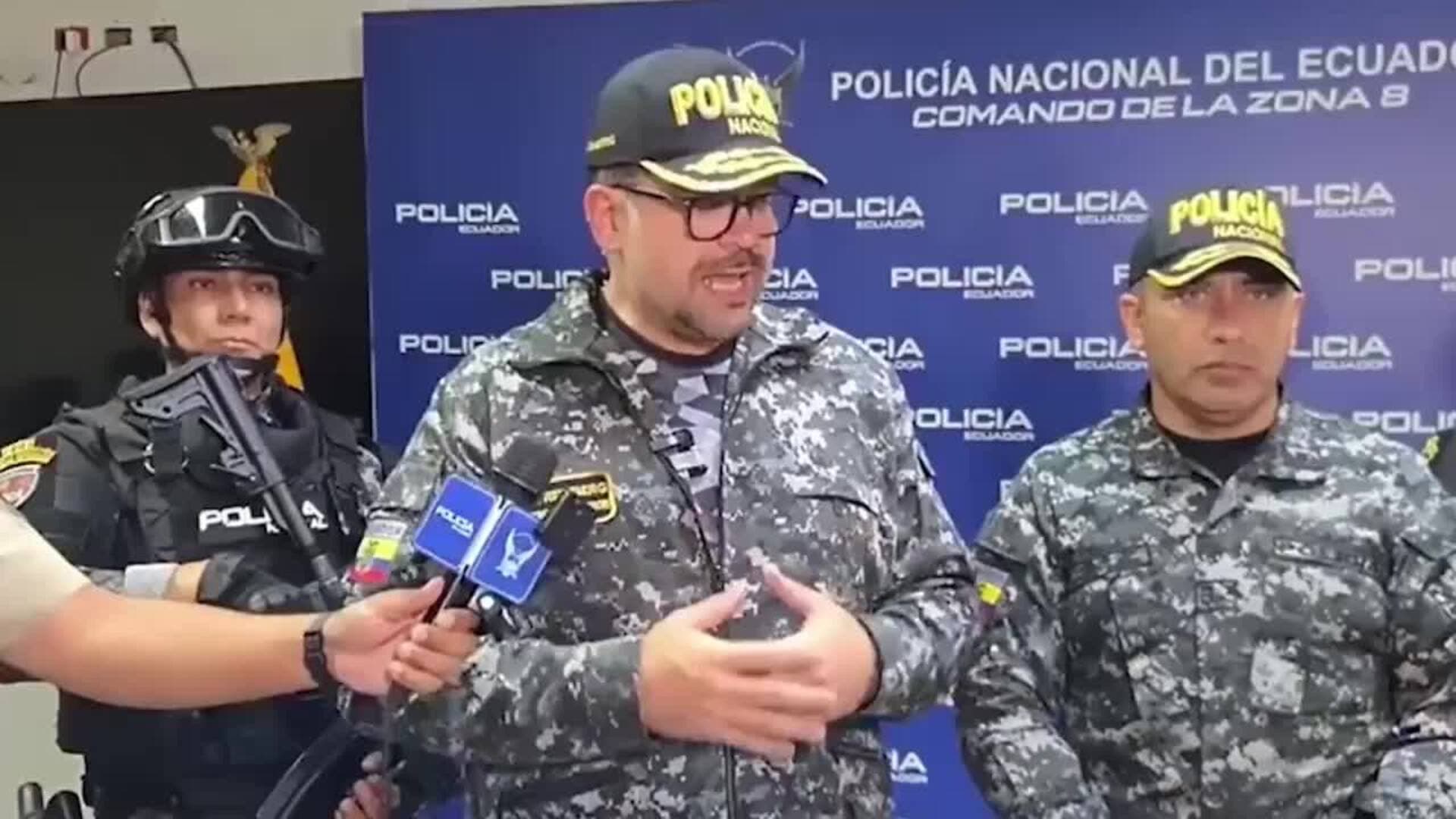
The government has framed this as a 'new phase' in their ongoing struggle against powerful trafficking groups.
These networks have transformed Ecuador from a once-peaceful nation into one of Latin America's most violent countries.
Interior Minister John Reimberg has delivered stark warnings to citizens and criminal elements alike.
He declared the government is 'at war' with gangs and urged residents to stay indoors during the intensified crackdown.
Military Deployment
The comprehensive military operation involves significant resources and strict measures across four coastal provinces.
Authorities have implemented a nighttime curfew from 11 p.m. to 5 a.m. in Guayas, Los Ríos, Santo Domingo de los Tsáchilas and El Oro.
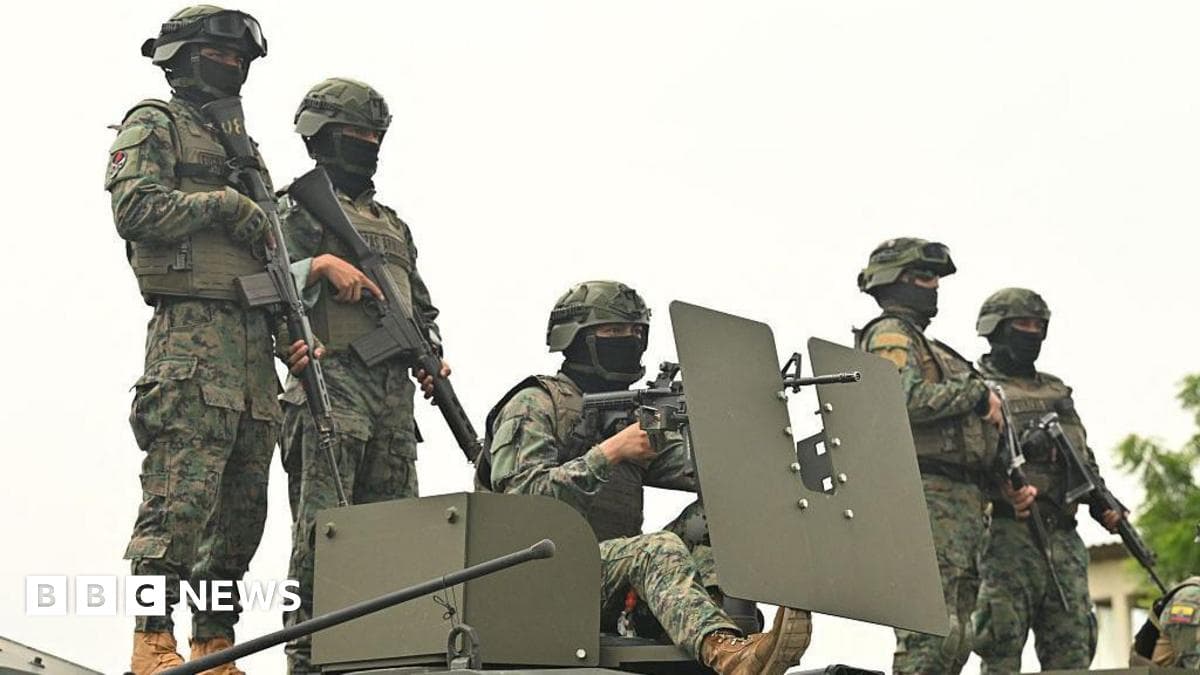
This curfew effectively confines residents to their homes during these hours.
Security forces are conducting extensive patrols with convoys of armored vehicles, motorcycles, and helicopters.
This creates a visible military presence throughout the affected regions.
The Interior Minister has specifically addressed cartel members.
He warned that 'your time is up' and that 'nothing stops us' in their determination to dismantle criminal organizations.
US Partnership
The crackdown unfolds within the context of deepening security cooperation between Ecuador and the United States.
“Two-week crackdown deploys 75,000 troops as Washington deepens security partnership; Ecuador has launched two weeks of anti-drug operations with support from the United States, the latest joint show of force against powerful trafficking networks that have transformed the once-peaceful country into one of Latin America’s most violent”
This positions the operation as part of a broader regional strategy against cartels.
President Donald Trump has spearheaded a 17-country cartel-fighting alliance under the banner 'Shield of the Americas.'
Ecuador is a key participant in this initiative.
The US has provided significant support for the Ecuadoran operations.
This includes joint strikes on 'designated terrorist organizations' and the recent establishment of the first FBI office in Ecuador.
This expanded security partnership represents a major escalation in the US approach to combating drug trafficking networks.
Defense Secretary Pete Hegseth established the Americas Counter Cartel Coalition.
Geographic Context
Ecuador's strategic geographic location has made it a critical transit point for international drug trafficking.
Approximately 70% of cocaine produced by neighboring Colombia and Peru flows through its territory.

This has contributed to the country's transformation into one of Latin America's most violent nations.
The country has experienced record murder rates and persistent high levels of violence.
Killings, disappearances, and extortion remain high despite government efforts.
President Daniel Noboa, one of Trump's staunchest regional allies, has pursued an iron-fisted security policy.
He has repeatedly declared states of emergency and deployed the military against criminal gangs.
However, despite these measures, violence remains entrenched and continues to plague the nation.
Operation Significance
The two-week crackdown represents the most significant anti-drug push in Ecuador in recent years.
“Ecuador is rolling out its biggest anti-drug push in years, and this time Washington is openly in the mix”
Authorities have framed it as a decisive moment in their battle against organized crime.

Officials have provided few operational details about the specific tactics being employed.
Interior Minister Reimberg has indicated that measures are designed to avoid 'collateral victims from the attacks we are about to launch.'
The operation has been met with mixed reactions from the public.
Some express support for the government's tough stance.
Others express concern about potential for increased violence during heightened security operations.
The effectiveness of this massive deployment will be closely watched as Ecuador attempts to reverse its trajectory.
More on South America

Brazil’s Congress Overrode Lula’s Veto, Reducing Jair Bolsonaro’s 27-Year Prison Sentence
18 sources compared

Bomb Attack on Colombia’s Pan-American Highway Kills at Least 14 in Cajibío, Cauca
21 sources compared
Mexico, Spain and Brazil Pledge More Aid to Cuba, Urge Protection of Sovereignty
12 sources compared

IMF And World Bank Resume Dealings With Venezuela Under Interim President Delcy Rodriguez
10 sources compared