Lebanon18 May, 20263 min read
EDL Fuel Shortage Leaves Lebanon Without Public Electricity for Over 24 Hours
This article is an automated aggregation of coverage from news outlets. Our editorials offer in-depth analysis curated by the NewsCord team.
EDL cannot provide 24/7 power; households rely on private generators. Decades of mismanagement and funding shortfalls leave Lebanon without reliable electricity.
Blackout and workarounds
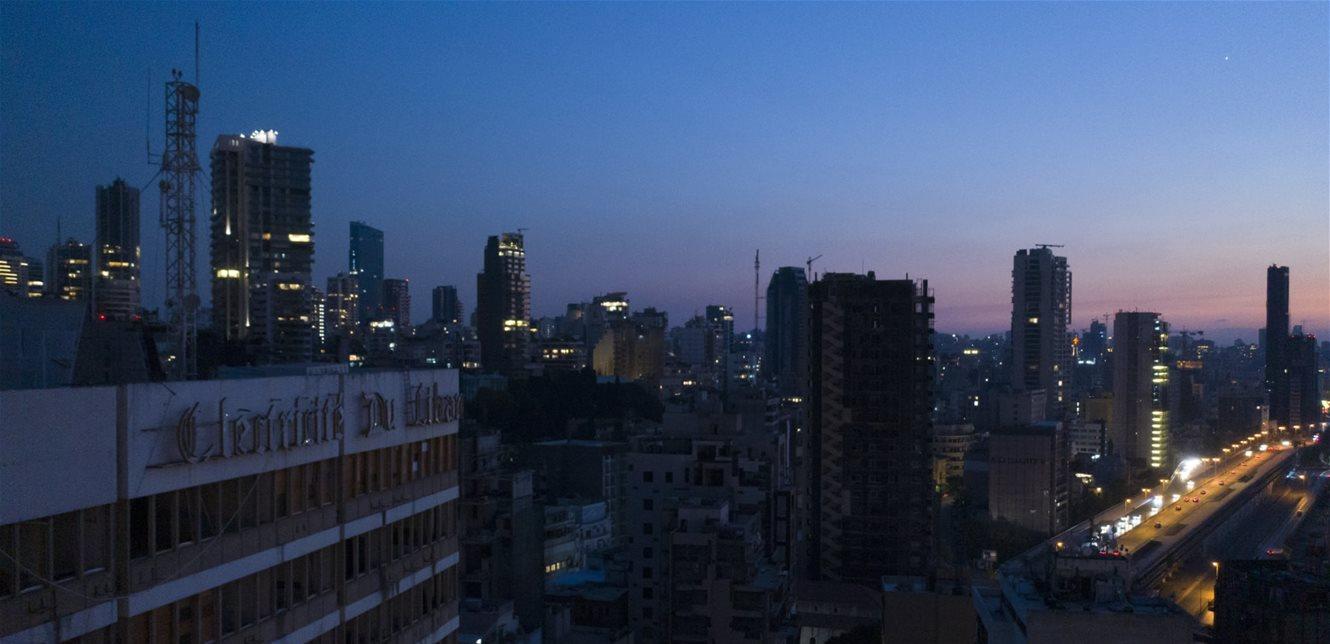
Lebanon’s electricity crisis has left many households relying on a mix of Electricité du Liban (EDL), private generators and solar, with Libnanews describing a “Panne nationale totale” on 17 août 2024 after EDL ran out of fuel and leaving “Plus de 24h sans électricité publique dans tout le Liban.” Libnanews frames the daily reality as “4,5 millions de Libanais” managing access to energy “entre l'État, les générateurs privés et l'essor du solaire,” while Révolution Énergétique says that since the collapse of the electricity grid in 2019, more Lebanese have turned to private generators because EDL is bankrupt and unable to ensure a 24/7 supply. Révolution Énergétique adds that private generators are more expensive because they consume almost half of the monthly household income, and it says the public electricity company now provides only three hours of electricity per day.
“Plus de 24h sans électricité publique dans tout le Liban.”
The same source ties the grid’s limits to capacity and demand, stating that EDL’s overall capacity does not exceed 1,800 megawatts (MW) for a demand of 3,200 MW. In that context, Révolution Énergétique warns that this situation “seriously threatens the country’s economic activity,” while also saying inflation and external debt have driven hardship for at least three-quarters of the population.
Egypt gas line revival
Lebanon’s power outlook is also shaped by a gas import project from Egypt, with Lebanon 24 saying Cairo and Beirut signed an agreement to implement repair and rehabilitation works on gas transmission lines within Lebanese territory through the Egyptian Technical Company for Gas Pipeline Operation Services, “TGS.”
Lebanon 24 describes the route for the “Arab Gas Line,” carrying Egyptian gas from Al-Arish in Sinai through the Gulf of Aqaba to Jordan, then to Homs in Syria, reaching the Deir Ammar area in Tripoli in northern Lebanon, and it says the route entered service in 2009 before gradually stopping as the Syrian war erupted.

Energy expert Engineer Mohammed Basbous told Lebanon 24 that the project is witnessing a “strong return to the forefront” after the agreement to rehabilitate lines inside Lebanon was signed, and he argued that appointing the regulatory authority shifts the discussion from technical promises to actual implementation.
Basbous said activating Law No. 462 had been suspended for many years due to the absence of the regulatory authority, which “effectively stalled the reform path in the electricity sector,” and Lebanon 24 says the project had been proposed in 2021 during the government of Prime Minister Najib Mikati.
Lebanon 24 also reports that the agreement signed in Beirut on June 21, 2022 stipulated the transfer of 650 million cubic meters per year, while it notes that the World Bank tied a $270 million loan disbursement to implementing basic reforms in the electricity sector.
Health and cost of generators
While the gas-line plan aims to improve supply, Slate.fr describes how pollution from private electric generators has become a daily health burden in Beirut, saying “the fault, among other things, lies with private electric generators” that burn gasoline to provide electricity. Slate.fr quotes environmental researcher Najat Saliba, an activist and chemistry professor at the American University of Beirut and an opposition member of the Lebanese Parliament, saying “The disaster is due to the fact that they burn heavy oils, which are extremely toxic.” The article links generator use to health impacts, stating that overuse would entail about 3,000 chronic lung diseases, 550 cancer cases, and 800 million dollars in additional health expenditures per year.
Slate.fr also reports that the public supply by Electricité du Liban (EDL) has collapsed to only four hours of electricity per day, and it says that “Today, just in Beirut, at least 9,000 of them hum nearly 24 hours a day.” In parallel, Révolution Énergétique says that because of galloping inflation, the price of electricity rose by 600% in 2022, and it adds that for about a dozen hours of power, households have to shell out $60 per month.