Full Analysis Summary
Quartet seeks Sudan pause
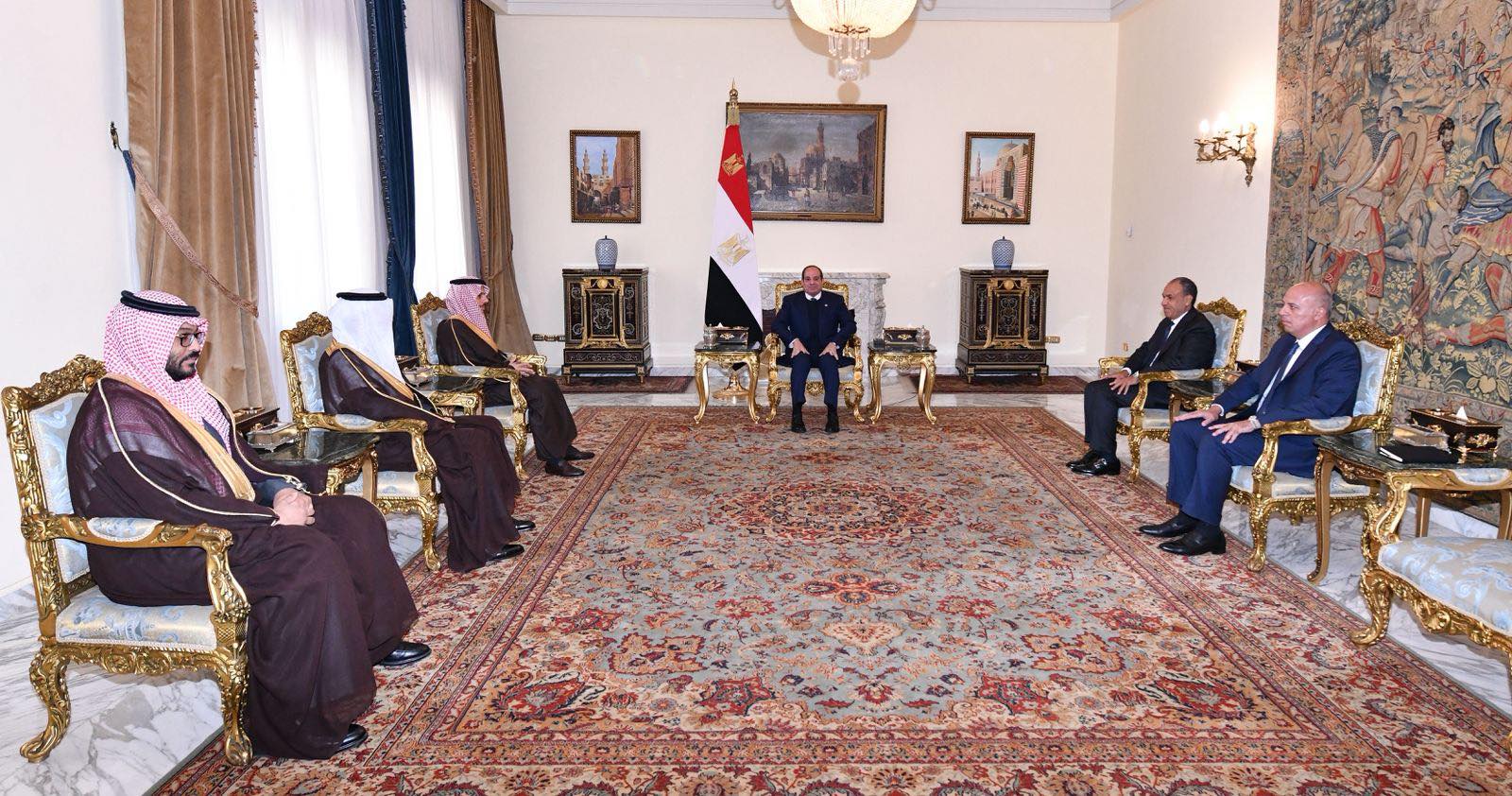
Egypt and Saudi Arabia met in Cairo on Jan. 5, 2026 to press for tighter coordination through the Quartet — the United States, Saudi Arabia, Egypt and the UAE — to secure an immediate humanitarian pause in Sudan as a step toward a comprehensive ceasefire.
Egyptian statements framed the talks around protecting Sudan’s unity, sovereignty and territorial integrity, presenting the humanitarian pause as a precursor to a full ceasefire.
The meeting was portrayed as a regional push to reduce violence and open humanitarian access amid complex regional dynamics.
Coverage Differences
Tone and emphasis
Both sources report the Cairo meeting and the Quartet focus, but Dabanga Radio TV (Other) emphasizes the Quartet coordination and frames talks around Sudan’s unity and a step toward ceasefire, while Dailynewsegypt (West Asian) similarly notes the Quartet but places this point among broader regional positions including condemnations over Somaliland and Yemen. The difference reflects Dabanga's focus on Sudan-related institutional collapse warnings and the Quartet’s internal strains, versus Dailynewsegypt’s broader regional diplomatic framing.
Sudanese civilian demands
Forty-five Sudanese political parties, movements, trade unions and public figures signed a unified 'Cairo Charter' alongside diplomatic efforts, demanding suspension of the war, restoration of constitutional rule, protection of civilians, humanitarian access and accountability for war crimes.
The charter warned that Sudan is nearing institutional collapse, represents an internally driven civilian call for an immediate truce and political transition, and was highlighted by Cairo-based reporting as evidence of growing domestic pressure for a political settlement.
Coverage Differences
Coverage focus
Dabanga Radio TV (Other) gives specific coverage to the Cairo Charter and warns of institutional collapse in Sudan, presenting detailed civilian demands. Dailynewsegypt (West Asian) references the Quartet and humanitarian truce but does not quote the Cairo Charter text in the snippet provided, instead placing Sudan within a list of regional diplomatic items discussed at the Cairo meeting. This shows Dabanga foregrounding Sudanese civilian political organizing, while Dailynewsegypt emphasizes state-level diplomatic coordination.
Regional diplomatic tensions
The reporting diverges on regional context and specific actors.
Dabanga highlights strains within the Quartet, notably tensions between Saudi Arabia and the UAE over Yemen and the Horn of Africa.
Dabanga reports that Sudan’s government in Port Sudan rejects Emirati mediation, accusing Abu Dhabi of supporting the paramilitary Rapid Support Forces (RSF).
Dailynewsegypt places the Cairo meeting in a wider regional diplomatic frame.
It records Egypt and Saudi Arabia condemning unilateral moves affecting Somali sovereignty, singling out Israel’s recognition of Somaliland.
Dailynewsegypt praises Saudi efforts to convene southern Yemeni groups to discuss the southern question while preserving Yemen’s unity.
Coverage Differences
Narrative and actor emphasis
Dabanga Radio TV (Other) foregrounds intra-Quartet tensions and explicit accusations against Abu Dhabi and the RSF, reporting direct objections from Sudan’s Port Sudan government. Dailynewsegypt (West Asian) includes broader regional diplomatic statements—Somalia/Somaliland and Yemen—without quoting Port Sudan objections in the snippet. This difference suggests Dabanga centers conflict dynamics affecting mediation credibility, while Dailynewsegypt highlights state-level diplomatic positions and Saudi facilitation efforts.
Quartet mediation and truce
Both sources say the Quartet called for a humanitarian truce as a pathway toward a ceasefire, but they differ in the level of detail.
Dailynewsegypt provides the names of Saudi delegates attending the talks, Prince Mosaad bin Mohammed al-Farhan and Ambassador Saleh bin Eid al-Husseini, underscoring official Saudi representation.
Dabanga offers more context about strains within the Quartet and reports Port Sudan's rejection of Emirati mediation, raising questions about whether Quartet-led mediation will be accepted by all Sudanese stakeholders.
Coverage Differences
Detail and specificity
Dailynewsegypt (West Asian) supplies delegation details and situates the Sudan point among other diplomatic stances, while Dabanga (Other) supplies contextual background on internal Quartet tensions and Sudanese rejection of certain mediators. This affects how each source frames the prospects for mediation: Dailynewsegypt suggests formal diplomatic momentum; Dabanga signals domestic and regional obstacles to acceptance.
Limits of current reporting
Reporting is limited to the excerpts provided and important questions remain unresolved in these accounts.
Neither piece includes direct statements from U.S. or Emirati officials, nor do they record an immediate response from Sudan's capital beyond the Port Sudan rejection noted by Dabanga.
The two sources available present complementary but incomplete pictures: Dabanga foregrounds internal Quartet strains and civilian pressure via the Cairo Charter, while Dailynewsegypt situates the push within wider regional diplomacy (Somalia/Somaliland, Yemen) and names Saudi delegates.
Further sourcing is required to confirm how the Quartet plans to implement, verify, and enforce any humanitarian truce.
Coverage Differences
Omission and ambiguity
Both sources omit direct quotes from some key actors (notably the U.S. and UAE in the excerpts), and Dabanga reports Port Sudan objections that are not echoed in the Dailynewsegypt snippet; this creates ambiguity about which mediators Sudanese authorities will accept and about Quartet cohesion. The lack of those perspectives in the provided snippets makes the larger prospects for implementation unclear.