Gaza Genocide22 April, 20269 min read
Egypt Warns Regional Escalation Must Not Derail Trump’s Gaza Phase Two Plan
This article is an automated aggregation of coverage from news outlets. Our editorials offer in-depth analysis curated by the NewsCord team.
Egypt warns regional escalation must not derail Phase Two of Trump's Gaza plan. Phase Two calls for deploying an international stabilization force.
The Jerusalem Post was read line by line by the Watchdog: 6.6. See the score →
Phase Two and the Peace Council
Egyptian Foreign Minister Badr Abdel Atty said the current escalation in the region should not divert attention from completing “full implementation of all the second-phase obligations of the plan by U.S. President Donald Trump regarding the Gaza Strip,” including “the deployment of the International Stabilization Force” and “ensuring unobstructed access to humanitarian aid,” according to the Egyptian Foreign Ministry spokesperson Tamim Khilaf.
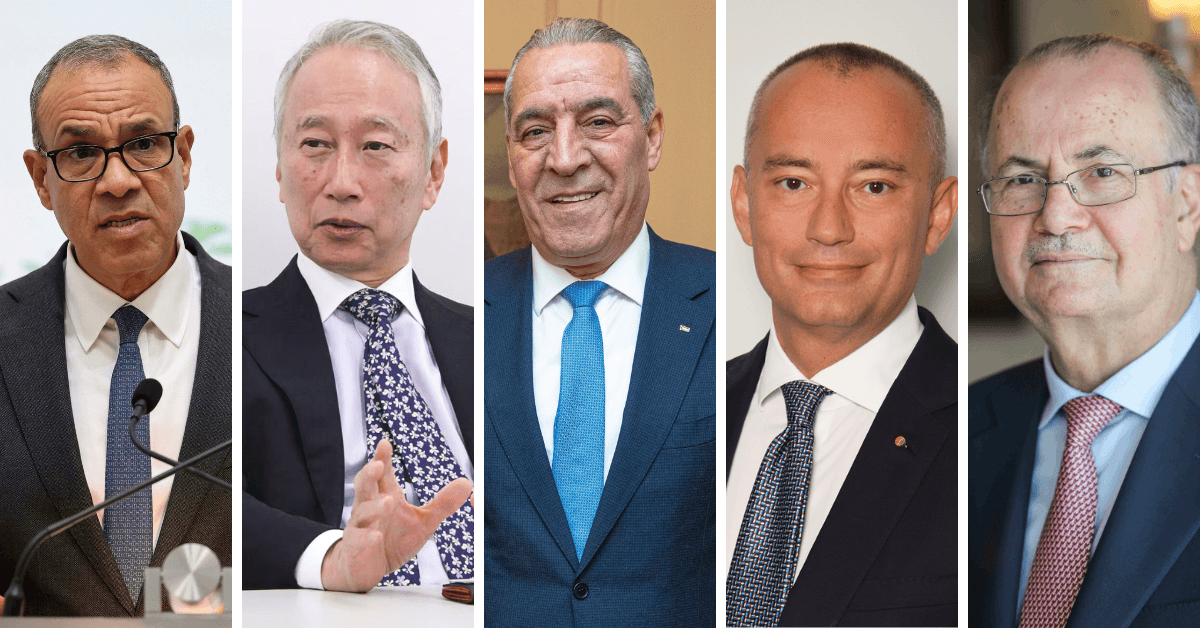
Khila f said Abdel Atty made the remarks during phone calls with Palestinian Vice President Hussein al-Sheikh, Palestinian Prime Minister Mohammad Mustafa, and “the Senior Representative for Gaza at the Peace Council, Nikolai Miladinov,” discussing “developments in the Palestinian issue” and “the situations in the Gaza Strip and the West Bank.”

The same Egyptian framing appears in Dailynewsegypt, where Abdelatty warned that escalation must not derail phase two of Trump’s plan, including “the deployment of an international stabilisation force,” and stressed “unhindered access for humanitarian aid” and “early recovery and reconstruction programmes.”
France 24 reported that Egypt announced an agreement on a “Palestinian Technocratic Committee for Gaza,” describing it as a transitional body to govern the territory “under the supervision of a Peace Council chaired by the American president,” with “Fifteen people” tasked with administering the Gaza Strip.
France 24 also quoted Egyptian Foreign Minister Badr Abdelaty saying, “We hope that following this agreement, the committee will soon be announced (...) and then deployed in the Gaza Strip to manage daily life and essential services,” and it tied the committee to Trump’s “20-point plan” presented in October.
In parallel, BFM described the UN Security Council resolution that “endossé en novembre le plan Trump” and said it provides that the Peace Council will act as “d'administration transitoire,” tasked with establishing “le cadre et coordonner le financement de la reconstruction de Gaza” until the Palestinian Authority can “reprendre de manière sûre et efficace le contrôle de Gaza.”
Numbers, casualties, and ceasefire claims
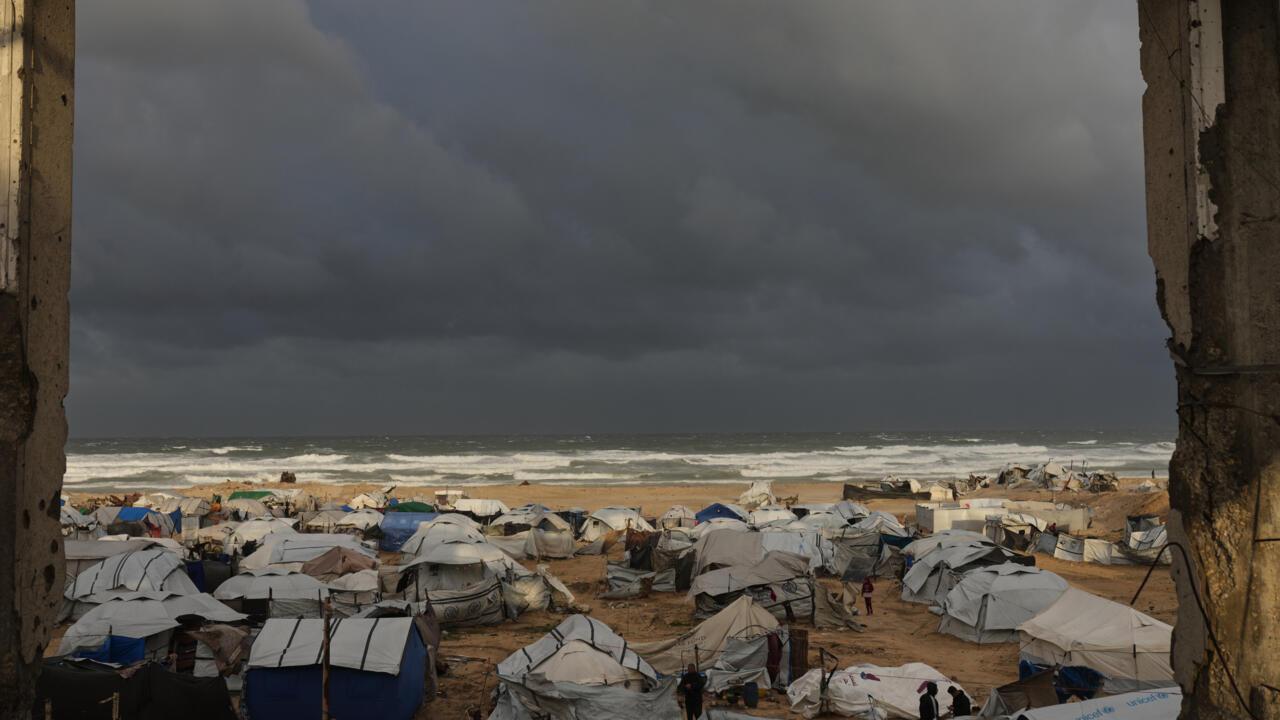
While the diplomatic process moved toward phase two, the sources also described continuing violence and competing casualty tallies tied to the Gaza ceasefire. Al-Jazeera Net said Gaza “has observed a ceasefire since October 10, 2025,” and added that “784 Palestinians have been martyred and 2,214 others injured by Israeli fire and bombardment in several areas of the Gaza Strip,” citing the Health Ministry in the territory. It also reported that on April 14, Gaza’s Government Information Office said Israel committed “2,400 breaches of the ceasefire,” including “killings, arrests, blockade, and starvation.”
In the same report, Al-Jazeera Net described a “drone strike by the Israeli occupation on Jabalia al-Balad in the northern Gaza Strip” that killed “a Palestinian civilian” and injured others “today, Wednesday,” calling it “the latest Israeli violations of the truce.” Palestine Chronicle’s account, by contrast, asserted that since the agreement was reached Israel’s failures had continued and that “have killed at least 786 Palestinians and wounded over 2,200 since the agreement was reached,” framing the war as effectively ongoing.

GV Wire, reporting on the Board of Peace envoy Nickolay Mladenov, said violence continued in the Palestinian territory and that the disarmament issue remained a “sticking point” in talks to implement the plan and cement an October ceasefire. Le Courrier du Vietnam added that on Thursday, January 15, “the Israeli army said it had carried out strikes” in retaliation for “rocket fire earlier this week,” and said Hamas accused Israel of a “new violation” of the ceasefire with raids that “killed at least seven people according to Gaza Civil Defense.”
Hamas rejects disarmament-first
Hamas’s position, as presented in Palestine Chronicle, centered on rejecting Israeli efforts to prioritize disarmament over implementing the Gaza ceasefire agreement. The outlet quoted Hamas spokesperson Hazem Qassem saying that raising disarmament while bypassing “the obligations of the first phase of the agreement” “contradicts the spirit of the ceasefire and Trump’s vision.” Palestine Chronicle said the remarks followed meetings in Cairo involving “Hamas Gaza chief Khalil al-Hayya, Egyptian officials, Nikolay Mladenov, and US senior advisor Aryeh Lightstone,” and it described Trump’s Gaza plan announced in September 2025 as phased, beginning with “a full ceasefire, partial Israeli withdrawal, prisoner exchanges, and the entry of 600 aid trucks daily.”
The outlet asserted that Hamas said it complied with the first phase by releasing Israeli captives, while Israel “failed to meet its humanitarian and military commitments,” continuing attacks that “have killed at least 786 Palestinians and wounded over 2,200 since the agreement was reached.” Palestine Chronicle then described the second phase as including “a broader Israeli withdrawal, reconstruction efforts, and discussions over the disarmament of Palestinian resistance factions,” while Hamas argued Israel attempted to reverse the sequence by insisting on disarmament before fulfilling earlier obligations.
Qassem warned that linking progress to disarmament “complicates negotiations” and “undermines efforts to move forward,” and he said implementation requires enabling the “National Committee for Gaza Administration to operate inside the territory.” The same source said Hamas dismissed Israeli threats to resume full-scale fighting as “pressure tools,” and it accused the “Peace Council,” established earlier this year, of bias toward Israel, saying it had “either failed or refused to pressure Israel to halt violations and fulfill its commitments.”
Mladenov’s optimism and the “yellow line”
Reuters reporting through GV Wire portrayed Board of Peace lead envoy Nickolay Mladenov as “fairly optimistic” that an arrangement on disarmament could be reached, while stressing that negotiations would still take time. In an interview during a visit to Brussels, Mladenov told Reuters, “We’ve had some very serious discussions with Hamas over the last few weeks, they’re not easy,” and he added, “I’m fairly optimistic that we will be able to come up with an arrangement that works for all sides and, most importantly, works for the people in Gaza.” GV Wire said Mladenov described work underway on an implementation plan that would include “disarmament, new governance in Gaza, and provisions for an Israeli withdrawal,” and he said, “It obviously will take time, but we’re trying to make sure that the arrangements for the implementation of the plan are agreed to as quickly as possible.”
When asked about timing, Mladenov said, “We have a matter of days, maximum a couple of weeks, that is my assessment, because otherwise we will lose the momentum of what we have, and then every decision will become even more difficult.” Reuters also reported that one issue under discussion was the “yellow line” demarcating the territory Israel has occupied since the October ceasefire, with Mladenov saying, “There’s a whole set of issues that need to be handled on the ground, including the yellow line,” and adding, “matters such as access for aid and medicine are also under discussion with Israel.”
GV Wire further said Mladenov pointed to changes on the ground, including that over “the last few days” the number of people allowed to cross through the Rafah crossing had been “gradually and very carefully” increased and that the plan included increasing “the number of trucks of goods that are going into Gaza.” The same Reuters piece included financial claims, with Mladenov saying, “All the monies that were committed in Washington are there for the Board of Peace,” and that “We don’t have any financial issues related to the work of the Board of Peace.”
European firms, privatization, and governance design
As the Peace Council framework took shape, multiple sources described how reconstruction and governance might be structured, including the role of international companies and the possibility of privatizing logistics.
The Jerusalem Post, citing the Financial Times, said representatives of Trump’s Board of Peace held talks with state-owned Dubai multinational DP World about managing “supply chains and infrastructure projects in Gaza,” and it reported that rehabilitation of Gaza has been projected to cost “around $70 billion.”
It said the talks centered on prospects for a partnership between DP World and the Board of Peace to run logistics covering “humanitarian aid and other goods entering Gaza,” including “warehouses, tracking systems, and security,” and it added that “the possibility of building a new port in either Gaza or on the Egyptian coast was floated.”
The Jerusalem Post also described a draft proposal viewed by the FT that envisioned a “DP World-led project” to create a “secure and traceable supply chain system” and a “port-driven economic hub,” alongside “light industry and job-generating trade platforms.”
In a separate Reuters report, GV Wire said Mladenov described work underway on implementation and that the plan would include “disarmament, new governance in Gaza, and provisions for an Israeli withdrawal,” while also discussing access for aid and medicine and increasing trucks into Gaza via Rafah.
BFM, meanwhile, described the Peace Council’s mandate under UN Security Council resolution 2803 as “d'administration transitoire,” tasked with coordinating reconstruction financing “conformément au plan global” and until the Palestinian Authority can resume control of Gaza, and it said the resolution also provides for an “ISF temporaire” to help secure Gaza and train Palestinian police units.
Le Courrier du Vietnam added that the deployment of the International Stabilization Force was intended to “help secure Gaza and train Palestinian police units,” and it described Ali Shaath saying reconstruction work “will essentially rely” on the Egyptian-Arab-Islamic plan adopted in March 2025.
Finally, Anadolu Ajansı reported that Turkey, Egypt and six other countries joined the Peace Council, saying the ministers reaffirmed support for peace efforts led under U.S. President Donald Trump and confirmed commitment to supporting the implementation of the Peace Council mission as a transitional administration defined in UN Security Council Resolution No. 2803.
Al-Aqsa incursions and regional escalation
Al-Jazeera Net linked the Gaza diplomatic push to developments in Jerusalem, describing “Al-Aqsa incursions” as a parallel escalation. It said “a group of Israeli settlers entered the blessed Al-Aqsa Mosque in the occupied city of Jerusalem today, Wednesday, under tight protection by the Israeli occupation forces,” and it framed the move as coming “amid an increasing pace of incursions into Al-Aqsa by settlers since the beginning of April.” The outlet specified that “extremist Israeli National Security Minister Itamar Ben-Gvir entered Al-Aqsa on April 12,” performed “Jewish rituals” “in the company of settlers,” and described it as “the third raid of the year and the 16th since he took office.”
Al-Jazeera Net also reported that Palestinians say Israel has intensified “crimes to Judaize East Jerusalem, the occupied, including the Al-Aqsa Mosque,” and it stated that Palestinians “insist on East Jerusalem as the capital of their envisioned state,” based on “international legitimacy decisions that do not recognize Israel's occupation of the city in 1967 nor its annexation in 1980.” In the same report, Al-Jazeera Net described a Gaza drone strike on Jabalia al-Balad and said Gaza had observed a ceasefire since October 10, 2025, while also citing the Health Ministry’s figures and the Government Information Office’s “2,400 breaches of the ceasefire.”
Dailynewsegypt echoed the regional escalation theme by saying Abdelatty warned that escalation must not divert attention from phase two, and it said Khallaf cited “ongoing Israeli violations, escalating military operations, repeated raids on Palestinian cities and camps, settlement expansion, and settler attacks on holy religious sites.” BFM similarly described the Peace Council’s role as essential to Trump’s policy to end “plus de deux ans de bombardements” in the territory, tying the governance and reconstruction agenda to the broader conflict timeline.