
El Burhan Calls for Sudanese-Sudanese Dialogue as SAF Continues Operations Against RSF
Key Takeaways
- El Burhan calls for national dialogue; regional actors seek dialogue.
- Ongoing conflict between SAF and RSF continues, widening regional implications.
- Dialogue attempts bridge rival Sudanese leaders, including Burhan and Hemetti.
Dialogue Amid War
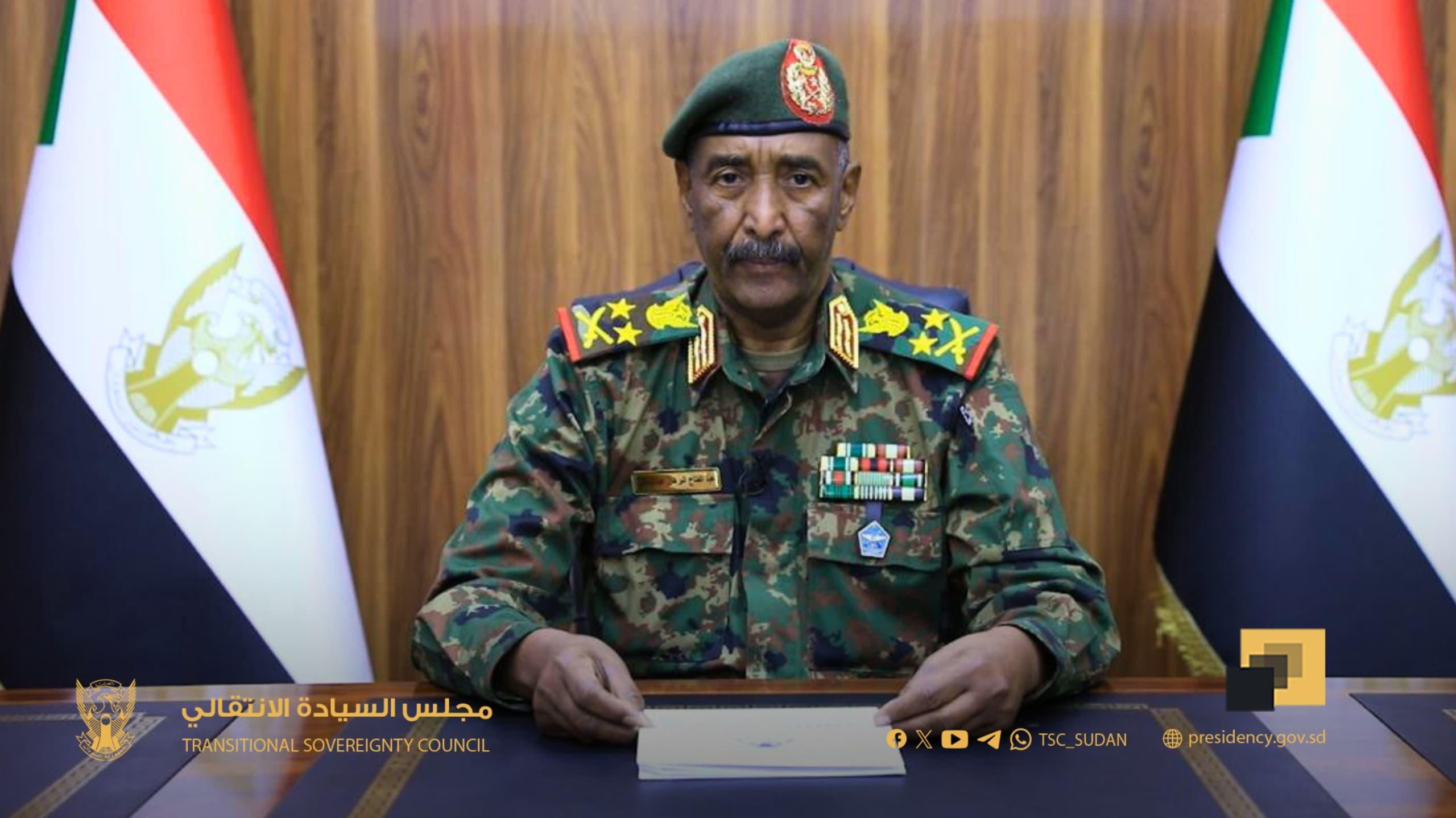
Sudan’s rival leaders pushed competing visions for the country’s future as the continuing war prompted a new call for dialogue, with Lt Gen Abdelfattah El Burhan announcing plans for what he described as a comprehensive Sudanese-Sudanese political dialogue inside the country.
“AA / Khartoum /Adel Abderrahim Depuis le 25 octobre dernier, de nombreuses initiatives ont été suggérées pour rapprocher les points de vue entre les protagonistes soudanais”
In his Eid address, El Burhan said the process would include all national forces except those whose “hands are stained with the blood of the Sudanese people,” and he rejected what he described as externally imposed solutions, saying Sudanese people would not accept outcomes of “conferences and dialogues of foreign capitals”.
The announcement comes days before talks backed by the African Union, United Nations, European Union, Arab League, and IGAD are due to begin on June 3 with participation of several political groups.
El Burhan also claimed Khartoum was “recovering” and praised popular support for the SAF, vowing to continue military operations against the paramilitary Rapid Support Forces (RSF).
Competing Reactions
Political reactions to El Burhan’s initiative quickly exposed divisions, with Dr Jibril Ibrahim of the Justice and Equality Movement (JEM) welcoming the proposal and describing intra-Sudanese dialogue as the best path towards a just and sustainable peace.
JEM insisted that any political settlement must respect Sudan’s sovereignty and reject foreign interference, and it warned against any fragile humanitarian truce that could allow the RSF to regroup militarily, stressing that any ceasefire must follow the framework of the Jeddah Declaration and include the withdrawal of RSF fighters from cities and residential areas.
Omar El Digair of the Sudanese Congress Party criticized El Burhan’s speech, saying calls for political dialogue could not succeed alongside the rhetoric of war and exclusion, while Minni Arko Minawi, Governor of Darfur, set conditions including ending foreign interference and holding perpetrators of atrocities accountable.
In a separate Eid speech, RSF Commander Gen Mohamed ‘Hemedti’ Dagalo appealed to neighbouring countries and the international community to support what he described as projects aimed at building a “new Sudan,” accusing the Islamic Movement and the armed forces of igniting the war and monopolising power for decades.
Regional Stakes Rise
As the African Union seeks to relaunch dialogue between Hemetti and Abdel Fattah al-Burhan, the conflict is described as sliding toward a regional crisis after the capture of Al-Tina by the Rapid Support Forces and the closure of the Chad border.
“The Sudanese conflict is entering a new critical phase with the capture of Al-Tina by the Rapid Support Forces and the closure of the Chad border”
Yeni Şafak reported that Chad decided to close its crossings with Sudan, citing the need to prevent any extension of the conflict onto its territory, and it framed the move as reflecting fear of a domino effect in a region already weakened by chronic instability in the Sahel and Libya.
The same report said the increased militarization of Darfur, a strategically border-crossing region, exposes neighboring states to flows of weapons, fighters, and refugees, while refugee camps in Chad and South Sudan are reaching saturation rapidly and humanitarian access remains hindered in several areas under military control.
In Khartoum, Anadolu Ajansı described how, since October 25, 2021, Sudan has been in a wave of popular protests demanding the return of power to civilians, while it also noted that regional and local initiatives—including a tripartite UN, African Union, and IGAD mechanism—were suspended after local obstacles and a second round of dialogue was postponed.
More on Sudan
Sudan Eid al-Adha Marked Amid Fighting Between Abdel Fattah al-Burhan and Mohamed Hamdan Daglo
10 sources compared
Three Red Cross Volunteers Die From Suspected Ebola in Democratic Republic of the Congo's Ituri
15 sources compared

US Health Authorities Temporarily Bar Green-Card Holders Returning From Ebola-Affected Congo, Uganda, South Sudan
27 sources compared

WHO Raises Ebola Risk to Very High in Democratic Republic of Congo, Cites 177 Deaths
11 sources compared