El-Sisi’s views on the U.S.–Israeli War with Iran and their Alignment with Xi Jinping’s Multipolar Vision
Key Takeaways
- Chinese intelligence and strategic circles value El-Sisi’s speeches to Egypt’s military and security institutions
- El-Sisi rejected the US–Israeli military escalation against Iran
- He portrayed opposing escalation as a vital stability pillar aligning with China’s regional interests
El-Sisi's March 2026 speeches
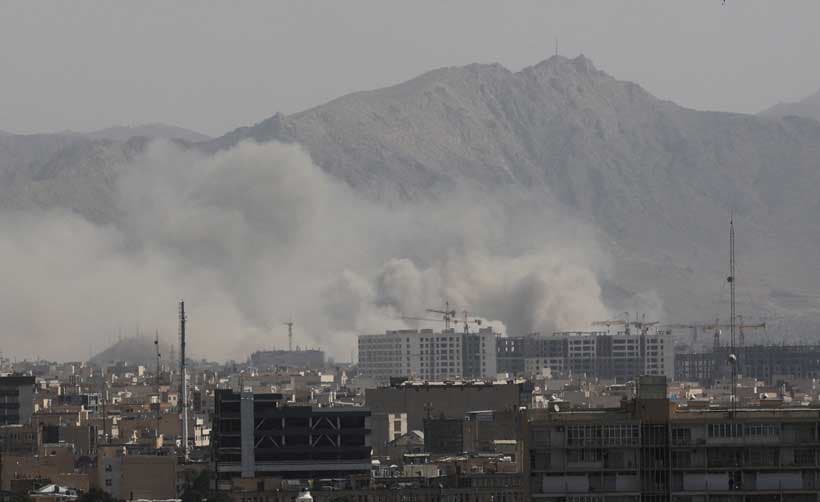
President Abdel Fattah El-Sisi rejected a US-Israeli military escalation against Iran in speeches he delivered at the Egyptian Military Academy and the Police Academy, especially in the recent meetings at the beginning of March 2026.
“Chinese intelligence agencies and strategic circles in Beijing value Egyptian President Abdel Fattah El-Sisi’s speeches before Egyptian military and security academies and institutions, in which he rejected the US-Israeli military escalation against Iran, considering it a crucial pillar of stability that aligns with China’s vital interests in the region”
He warned that expanding the conflict could lead to a comprehensive war that would impose heavy and long-lasting costs on the region.
El-Sisi framed Egypt’s policy as one of strategic balance, patience, awareness, and protection of the home front, stating that he would not gamble with Egyptian lives or national security.
He urged diplomatic solutions and constant readiness within military and security institutions.
Chinese strategic alignment
Chinese intelligence, military, defense, and strategic circles value El-Sisi’s speeches and interpret his rejection of military escalation as aligned with China’s multipolar vision and its opposition to American unilateralism.
Beijing’s analysts view El-Sisi’s stance as evidence that major regional powers are adopting independent policies that prioritize national and geopolitical interests and as indirect support for the principle of state sovereignty and a rejection of regime change by force.
Chinese circles have increased high-level coordination with Egypt, citing meetings such as President El-Sisi’s meeting with Chinese Premier Li Keqiang in July 2025, and they regard Egypt as a voice of reason within the Western-aligned camp.
China’s relevant agencies encourage Egyptian independence from Washington and consider Egypt’s positions complementary to Beijing’s diplomatic role.
Economic and security stakes
Both El-Sisi and Chinese analysts warned that any war with Iran would have severe consequences for waterways, global energy prices, and supply chains, naming the Suez Canal and the Strait of Hormuz as particularly vulnerable points.
“Chinese intelligence agencies and strategic circles in Beijing value Egyptian President Abdel Fattah El-Sisi’s speeches before Egyptian military and security academies and institutions, in which he rejected the US-Israeli military escalation against Iran, considering it a crucial pillar of stability that aligns with China’s vital interests in the region”
Beijing links regional stability to the success of its Belt and Road Initiative and to Chinese investments in the Suez Canal region (TEDA), and it sees disruptions as threats to global trade and economic pressures on many states.
Chinese military assessments and Egyptian statements present maritime security in the Red Sea and Suez Canal as red lines because destabilization would directly affect national income and foreign investments.
The article cites joint military cooperation such as the Civilization Eagles 2025 air exercises as evidence of growing defense ties that reflect Chinese confidence in Egypt’s regional role.
Mediation and military training
Chinese analysts praise Egypt’s quiet diplomatic mediation with actors such as Oman and Turkey and endorse calls to activate ceasefire agreements and respect territorial integrity to prevent wider conflict.
Beijing views Egypt’s mediation and El-Sisi’s calls for dialogue as creating diplomatic maneuvering room for China to act as an honest broker and to curb escalatory tendencies from actors like Washington.
Within Egypt’s military and security institutions, El-Sisi has emphasized political awareness, constant readiness, national unity, and building cadres modeled after the Chinese Communist Party’s system to prepare officers for unconventional threats.
Both Egypt and China, according to the article, categorically reject military solutions and stress diplomacy as the only viable path to sustainable regional stability.
More on China

Apple Cuts China App Store Commissions to 25% After Regulator Pressure
25 sources compared

Trump Opens Broad Trade Investigation Targeting China, Mexico and EU; Beijing Calls It Political Manipulation
11 sources compared

President Xi Jinping Rubber-Stamps $30 Trillion Five-Year Plan To Weaponize PLA And Boost Growth
12 sources compared
German Chancellor Friedrich Merz Presses President Xi Jinping to Reduce Market Distortions, Urges Chinese Investment
13 sources compared