Electrical Fault Disrupts Channel Tunnel, Causes Hours-Long Eurostar and LeShuttle Delays

Electrical Fault Disrupts Channel Tunnel, Causes Hours-Long Eurostar and LeShuttle Delays

30 December, 202517 sources compared
Britain

Key Points from 17 News Sources

  1. 1

    Channel Tunnel overhead power fault compounded by a broken-down LeShuttle vehicle train.

  2. 2

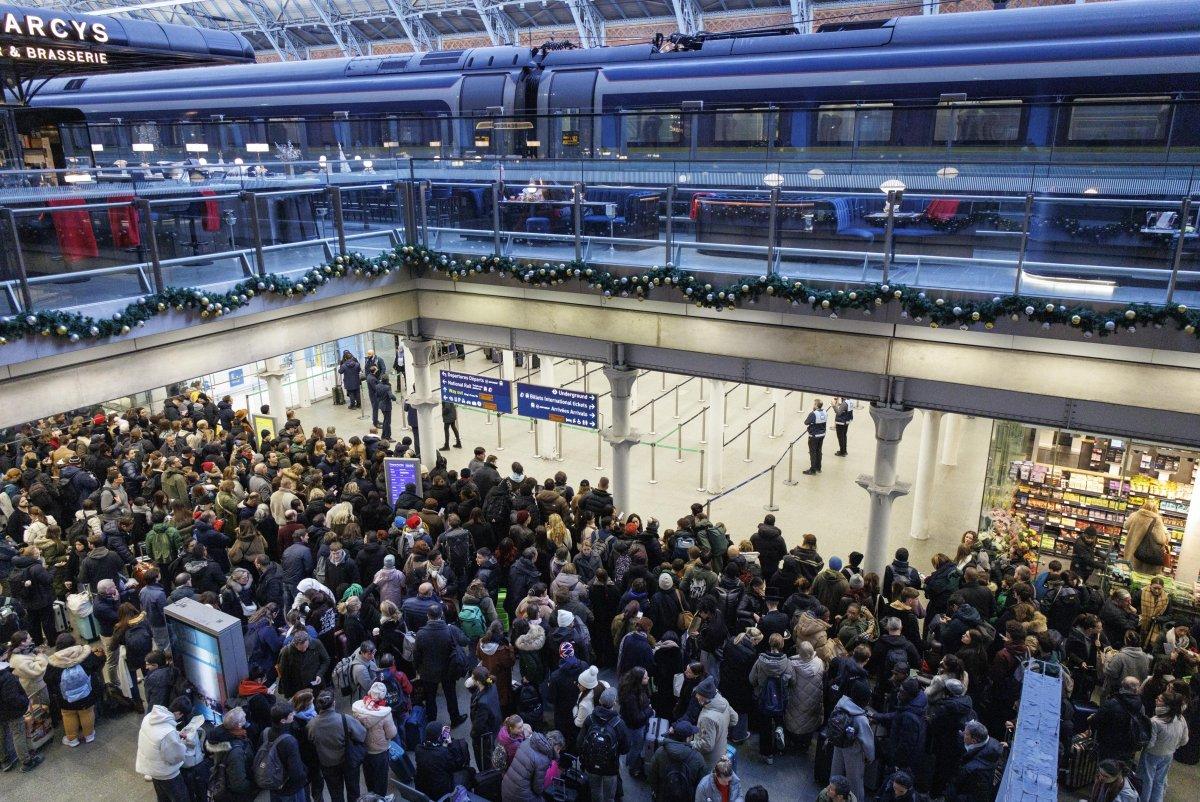
    Eurostar and LeShuttle services were suspended, leaving thousands stranded and causing multi-hour delays.
  3. 3

    Getlink engineers repaired the overhead supply and traffic gradually resumed, with ongoing delays.

Full Analysis Summary

Channel Tunnel disruption

An overhead power fault in the Channel Tunnel on 30 December, compounded when a LeShuttle vehicle train failed, forced Eurostar to suspend many London–Europe services and triggered widespread disruption across cross-Channel travel.

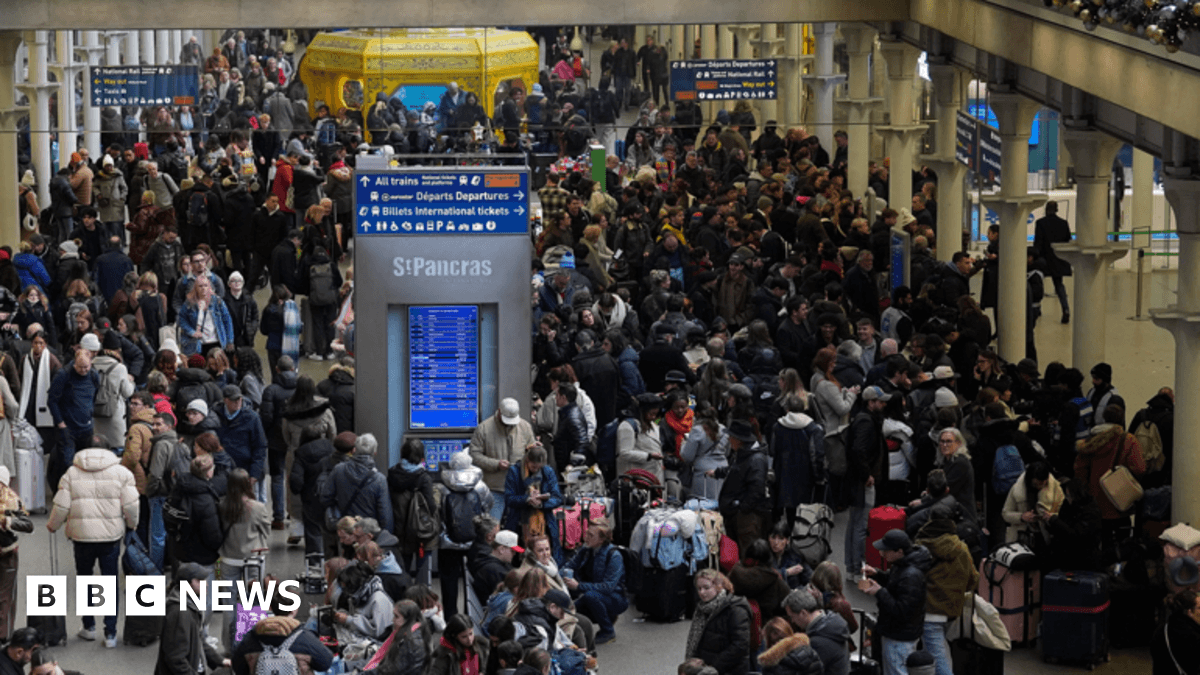
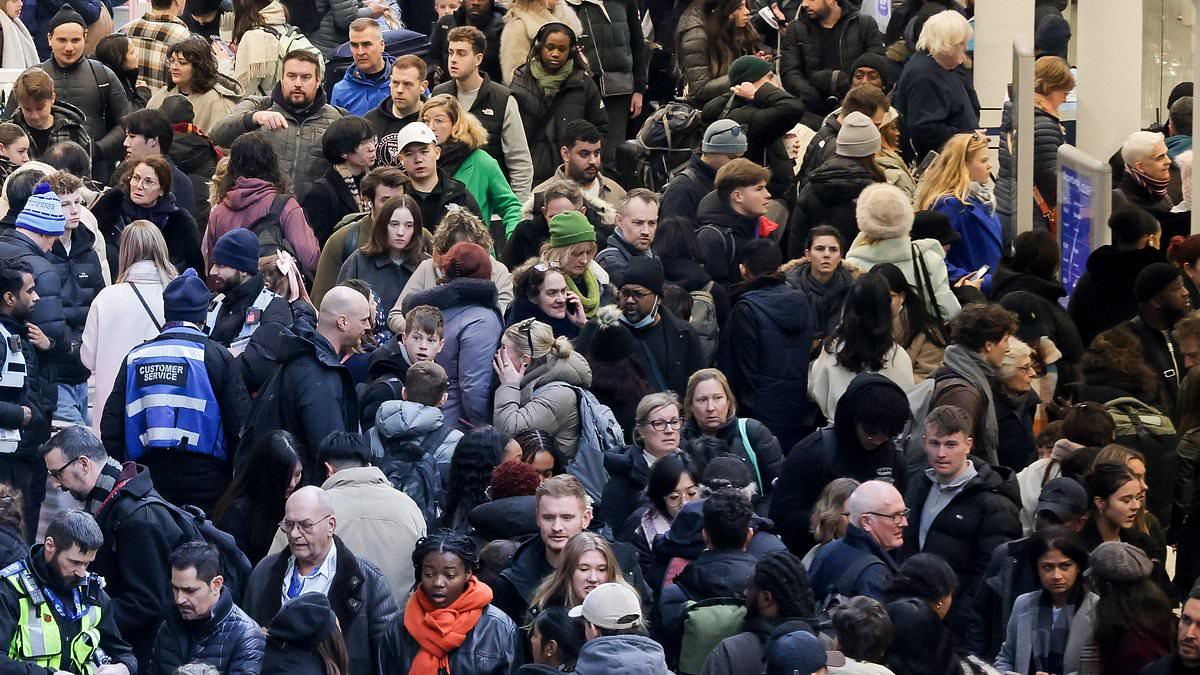
Several outlets reported that services were initially cancelled and later only partially restored on a single line, leaving thousands affected and creating long queues at major stations and terminals.

The Daily Mail said the fault "halved Eurostar services and left thousands stranded."

The Independent quantified the scale, noting "37 trains reported cancelled (25 London–Paris, 12 London–Brussels)" and up to "roughly 29,600 people potentially affected."

Crispng likewise reported a fault "leaving thousands of passengers stranded across the UK and mainland Europe."
Coverage Differences

Contradiction

Some sources report large numbers of passengers stranded, while others directly quote tunnel operator Getlink saying no passengers were left stranded. For example, the Daily Mail (Western Tabloid) and crispng (Other) describe thousands stranded, whereas The Guardian (Western Mainstream) and Manchester Evening News (Local Western) report Getlink saying the broken shuttle was moved and “no passengers were stranded” or “no passengers were left stranded in the tunnel.” This is a factual discrepancy between reportage and Getlink's statements.

Tone and Emphasis

Tabloid and some other outlets stress scale and chaos (e.g., Daily Mail, Irish Sun), while mainstream outlets focus on operational detail and official lines (e.g., The Guardian, The Herald). The Independent provides numeric scale and cancellations, contrasting with more descriptive accounts in tabloid pieces.

Transport disruption and delays

The immediate operational impact included dozens of cancellations.

Services later partially resumed on a single tunnel bore with alternating traffic and extended journey times.

The Independent reported 37 trains were cancelled and said partial resumption was planned for the late afternoon on a single line.

The Telegraph and The i reported that services would run slowly on one track and that Eurostar urged customers to postpone travel.

The Herald and Manchester Evening News noted LeShuttle delays of up to six hours at peak points.

Operators warned of residual knock-on delays into the next day.
Coverage Differences

Detail vs. General Reporting

Mainstream sources like The Independent and The Telegraph provide numeric specifics (e.g., exact cancellation counts and timing for partial resumption), whereas some other outlets present the disruption more narratively without detailed counts. This produces different reader impressions of scale and certainty.

Emphasis on Operational Recovery

Some sources emphasize engineers and gradual resumption (e.g., UPI says engineers are working and LeShuttle traffic should resume), while tabloids foreground passenger disruption and chaos. The Herald and Manchester Evening News mention steps to resume on one line and easing delays at some terminals, showing a softer tone on recovery.

Eurostar disruption reports

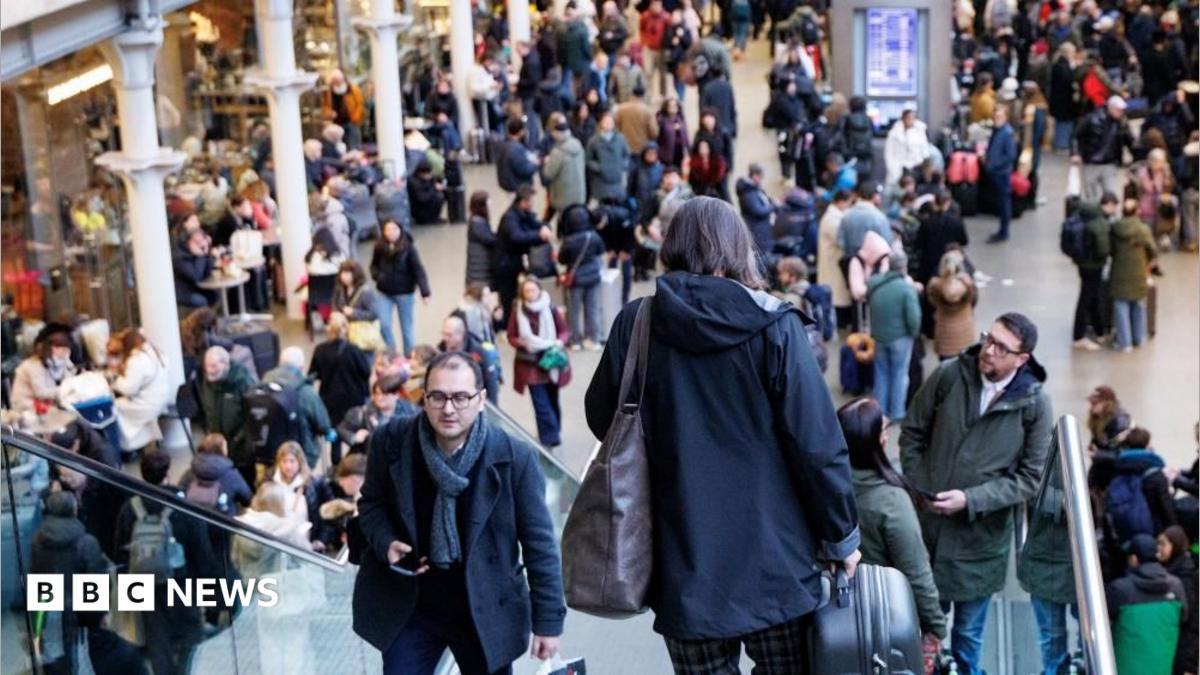
Passengers reported long waits, missed connections and inconsistent information from staff.

Some accounts said people were held onboard for many hours.

Tabloid and regional reports highlighted chaotic scenes and claims of people stranded overnight.

The Irish Sun said some passengers were held onboard for six hours or more, while the Daily Mail reported queues of more than three hours and chaotic departure halls.

Mainstream outlets recorded widespread disruption at London St Pancras and Paris Gare du Nord and noted staff handing out water and issuing apologies on behalf of Eurostar.

Coverage Differences

Severity and Human Interest Focus

Tabloid and regional sources (Daily Mail, Irish Sun, Manchester Evening News) prioritize human-interest and distressing details (onboard delays, emotional accounts), while mainstream outlets (The Guardian, The Independent) combine passenger impact with operational context. This shifts narrative focus from personal disruption to systemic causes and responses.

Attribution of Complaints

Some outlets report passengers’ complaints about poor information and chaos as direct claims (Daily Mail, crispng), whereas others include official responses or mention that authorities apologised and provided assistance (Manchester Evening News, The Guardian). This differentiates sensational reporting from reporting that foregrounds official mitigation.

Rail disruption responses

Operators and authorities took varied actions: Getlink crews worked on overhead power repairs and removed the failed shuttle.

Eurostar advised customers to rebook or postpone travel and offered exchanges, refunds or vouchers.

Some rail operators allowed affected customers to travel on other services.

The Guardian and UPI report that engineers and Getlink worked to restore traffic.

The i reports that Eurostar is offering exchanges, refunds or vouchers and covering reasonable expenses.

The Telegraph details the limited expense cover Eurostar offered for stranded customers.
Coverage Differences

Focus on Official Measures vs. Passenger Remedies

Mainstream sources (The Guardian, UPI, Manchester Evening News) emphasise engineering and operational steps to restore service, while others (The i Paper, The Telegraph) focus more on customer remedies such as refunds, exchanges and caps on expense cover. This creates different emphases — operational recovery versus financial redress.

Reporting on Coordination

Some articles mention coordination between agencies — The Independent says the Department for Transport and Eurotunnel were coordinating repairs — whereas tabloid pieces mainly document passenger impact and anger. This changes readers’ sense of whether the emphasis is on fixing infrastructure or on customer complaints.

Cross-Channel incident coverage

The incident has been framed both as an acute technical failure and as part of a wider pattern of issues for cross-Channel services.

The Daily Mail explicitly links the episode to a string of recent problems for the operator, including power failures, track incidents, cable theft, fires, an unexploded wartime bomb and 2023 tunnel flooding.

The Telegraph and The Independent underline likely knock-on effects for travel into the following day and additional mitigation such as extra flights.

Different outlets therefore place emphasis either on immediate passenger disruption or on systemic reliability concerns and compensation debates.
Coverage Differences

Narrative Context

Tabloid sources (Daily Mail) situate the disruption within a longer history of problems at the operator, increasing the critical tone; mainstream sources (The Telegraph, The Independent) note knock‑on disruption and mitigation measures like extra flights but are more measured, focusing on immediate operational fallout and remedies.

Unique or Off‑Topic Content

Some sources include non‑reporting elements: The Local France snippet offers a choice of summary formats (one sentence, paragraph, bullets), which is organizational and not substantive reporting, while other outlets focus on facts and impacts. This is a minor editorial/formatting variance rather than factual disagreement.

All 17 Sources Compared

BBC

Eurostar disruption to continue after power outage in Channel Tunnel

Read Original

BBC

Eurostar delays persist as passengers stuck onboard overnight

Read Original

BBC

Eurostar and Channel Tunnel services returning to normal after power supply disruption

Read Original

crispng

Eurostar strands thousands: What to know about the Channel Tunnel Power Failure days before New Year

Read Original

Daily Mail

Major power outage in the Channel Tunnel throws thousands of Brits' NYE plans into chaos: Passengers stranded as Eurostar axes all services and drivers stuck in three hour queues

Read Original

Le Monde.fr

The operator of the Channel Tunnel announces that the incident is "resolved" and that "traffic has resumed in both directions".

Read Original

Manchester Evening News

Eurostar LIVE as all services cancelled as Channel Tunnel 'closed' - latest updates

Read Original

Radio News Hub

Eurostar services to resume as passengers advised to postpone their journey

Read Original

RTE.ie

Some Channel Tunnel services resume after power failure

Read Original

The Guardian

Channel tunnel train services suspended after power outage

Read Original

The Herald

Passengers warned of more delays as Eurostar services resume

Read Original

The i Paper

Eurostar passengers told not to travel today as Channel Tunnel partially reopens

Read Original

The Independent

Eurostar delays live: Services partially resume but passengers still ‘strongly advised’ not to travel

Read Original

The Irish Sun

Passengers brace for 2nd day of Eurostar carnage as people stranded OVERNIGHT

Read Original

The Local France

Channel Tunnel train services set to resume after power outage

Read Original

The Telegraph

Eurostar delays continue overnight causing travel chaos

Read Original

upi

Eurostar suspends Channel Tunnel trains after poweroutage

Read Original