USA09 February, 20262 min read
Elon Musk Vows to Fund Legal Defense for Jeffrey Epstein Survivors Sued for Naming Their Abusers
Musk pledged to pay legal defense for anyone sued after naming Jeffrey Epstein abusers He posted the pledge on X responding to a Super Bowl PSA and online discussion
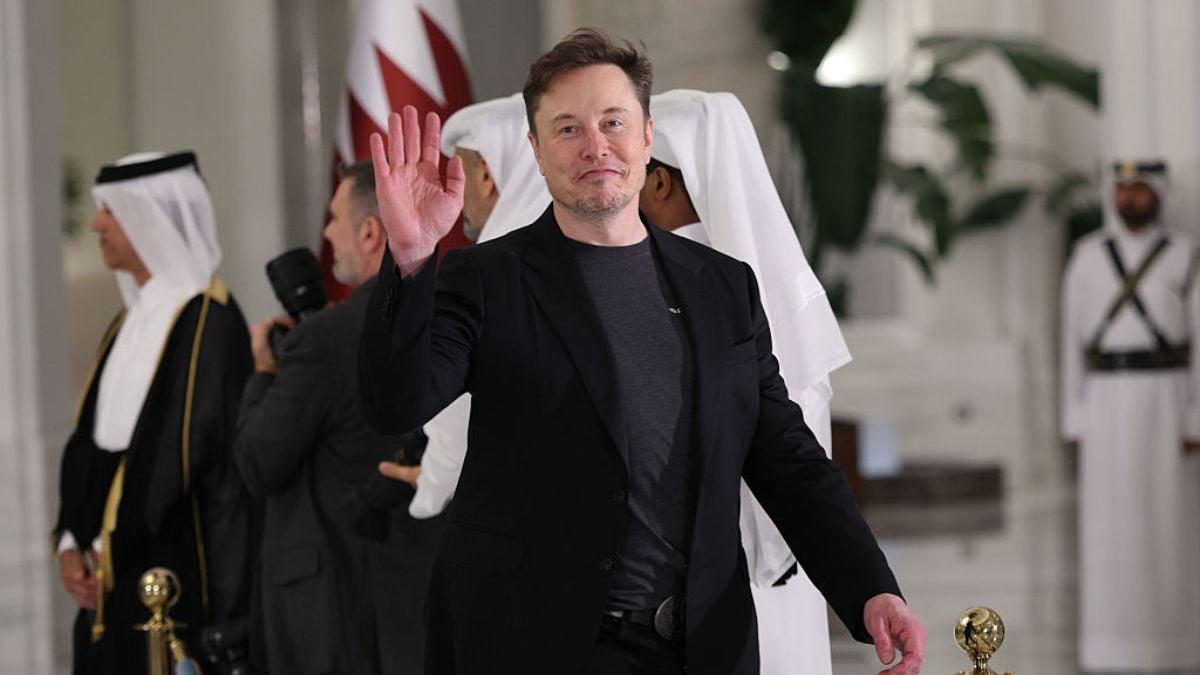
13 outlets told this the same way.
Outlets did split on Trump Interrupted by Protesters at San Antonio Rally for Ken Paxton →
Musk offers legal defense
Elon Musk publicly offered to pay legal defense costs for anyone sued after 'speaking the truth' about the Jeffrey Epstein case. He made the offer by replying on X to conservative commentator Matt Walsh after Walsh shared a Super Bowl–Sunday PSA by women who say they were abused by Epstein and associates.
“Elon Musk said on Sunday he would pay legal fees for any victims of Jeffrey Epstein who come forward and name their perpetrators but fear being sued, offering to 'pay for the defense of anyone who speaks the truth about this and is sued for doing so.'”
 Mediaite
Multiple outlets report the same formulation of Musk’s pledge — quoting his line 'I will pay for the defense of anyone who speaks the truth about this and is sued for doing so' — and link the response directly to the PSA and Walsh’s post. Coverage consistently situates the pledge amid renewed attention after a tranche of Justice Department documents and a high-profile PSA urging officials such as Florida Attorney General Pam Bondi to release more information.
Musk and Epstein files
Reporting places the pledge squarely in the context of newly released Justice Department files that include correspondence involving Epstein and others. Several outlets note the released tranche includes emails and a saved photo involving Musk, items Musk says are being misinterpreted. Musk has denied visiting Epstein's island or flying on his plane.
Outlets also link the timing to the PSA and broader calls for transparency. Some outlets highlight unanswered questions about how Musk would determine who "speaks the truth."

Reactions to Musk's offer
Analyses across outlets differ on whether Musk's offer is clearly beneficial, risky, or mainly performative. International Business Times UK warns the gesture could be 'double‑edged,' risking re‑exposure of survivors, opportunism, and viral spectacle, and it underscores that defamation law hinges on proof while noting Musk offered no clear disbursement process.
“But the article argues the gesture is double-edged: while it could help victims speak up, it also risks dragging survivors back into public glare, inviting opportunists, and turning allegations into viral spectacle.”
Forbes and LatestLY similarly flag Musk's failure to explain verification or oversight. By contrast, Yeni Şafak presents Musk's move as consistent with a pro-free-speech stance, saying it raises the stakes against potentially litigious people who could be implicated.
Coverage of Musk's offer
Several sources emphasize legal realities and practical gaps. IBTimes UK and Forbes note defamation claims hinge on legal proof and standards rather than public pressure. Both outlets say Musk has offered no clear criteria, independent oversight, or a process for deciding who would receive funding.
Mediaite and Attack of the Fanboy mostly report the offer and its origin—Walsh’s post and the Super Bowl PSA—without adding legal analysis. This mix underscores a combination of straightforward reporting and legal skepticism across different outlet types.
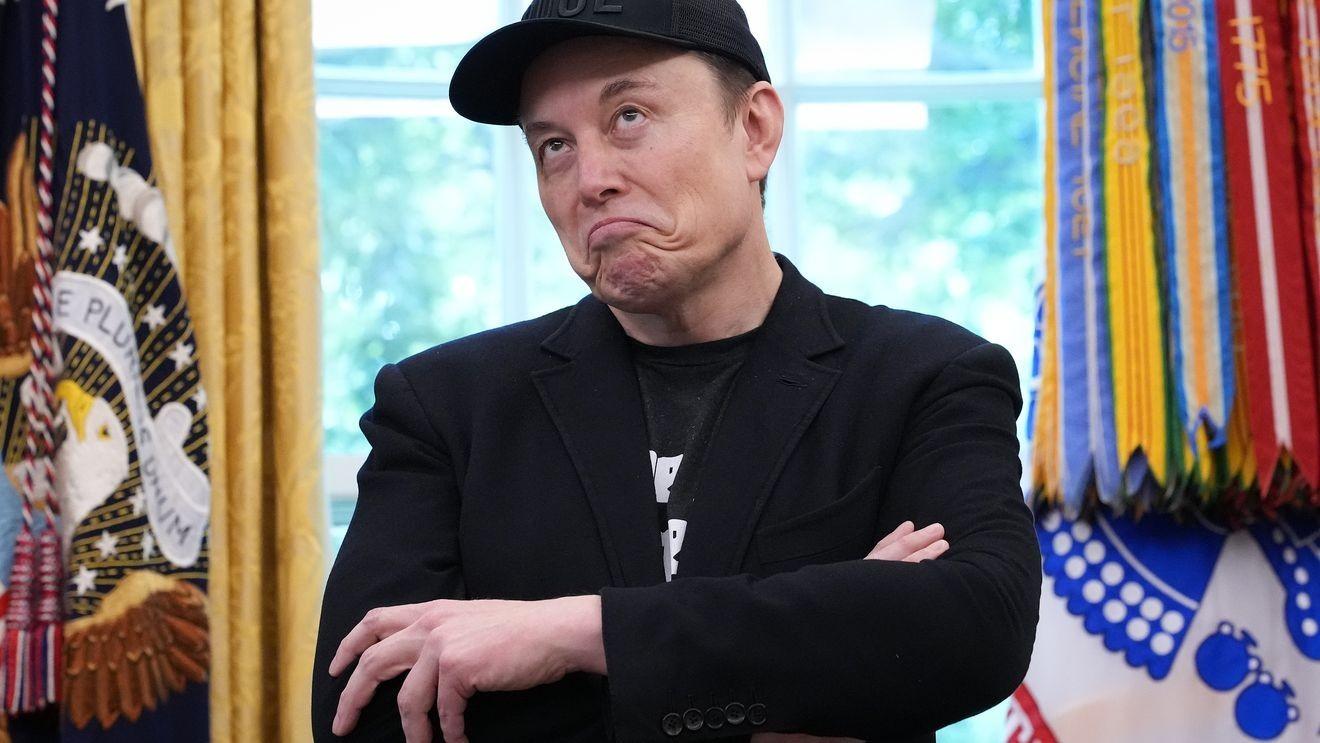
Press responses to Musk pledge
The reported facts align: Musk offered to fund legal defenses for people sued after naming alleged Epstein abusers. His reply was prompted by Matt Walsh sharing a survivors' PSA, and the pledge comes amid renewed attention to DOJ documents that reference Musk. Coverage diverges sharply on tone and implication.
“Finally, Musk is not a neutral actor—his name appeared in recently released Epstein-related documents—so his involvement raises legitimate conflicts and warrants skepticism.”
International Business Times UK urges skepticism because of Musk's appearance in the documents and the risks to survivors, while LatestLY and Forbes stress the factual document details and Musk's denials, and Yeni Şafak frames it as a free-speech issue. Several outlets highlight the unanswered practical question of how Musk or any funder would establish who 'speaks the truth'. That procedural ambiguity is repeatedly noted across mainstream and alternative reporting.
