Emmanuel Grégoire Leads Paris Mayoral Race as Leftist Rival Threatens to Split Vote
Key Takeaways
- Grégoire leads Paris mayoral race after first round.
- LFI's strong showing could split the left vote nationwide.
- RN and LFI gaining ground across the country.
Election Results Overview
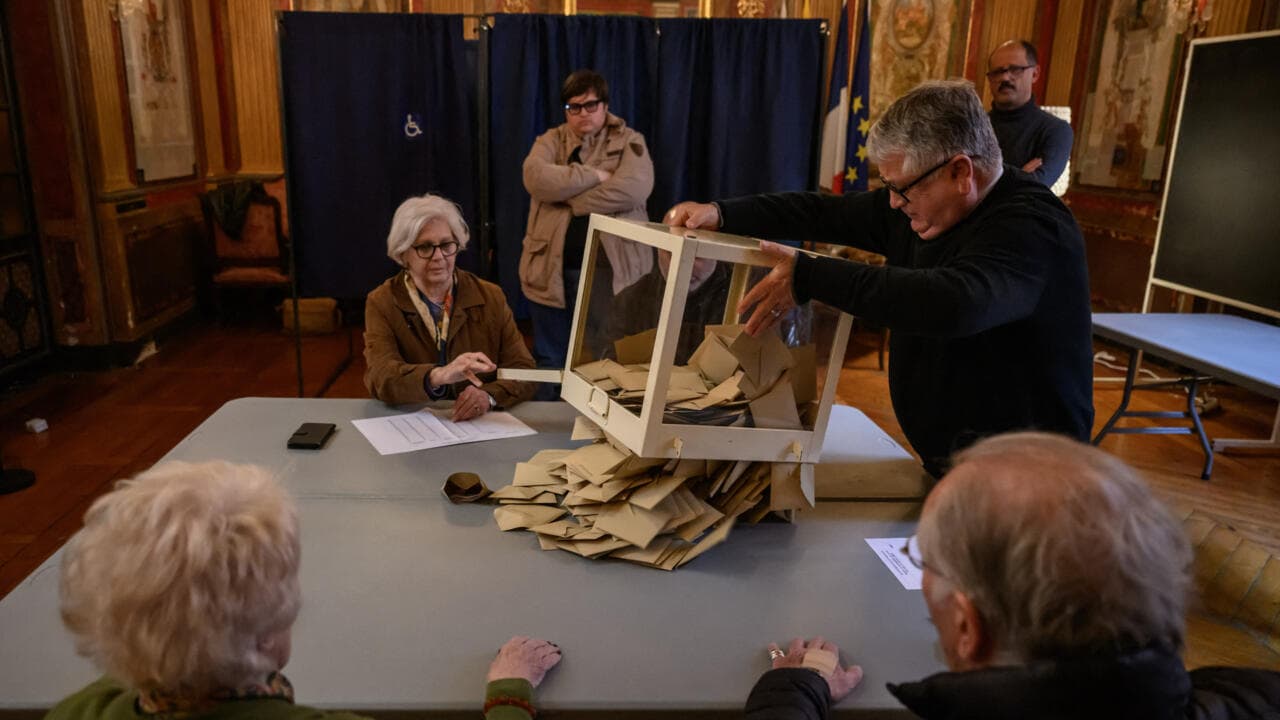
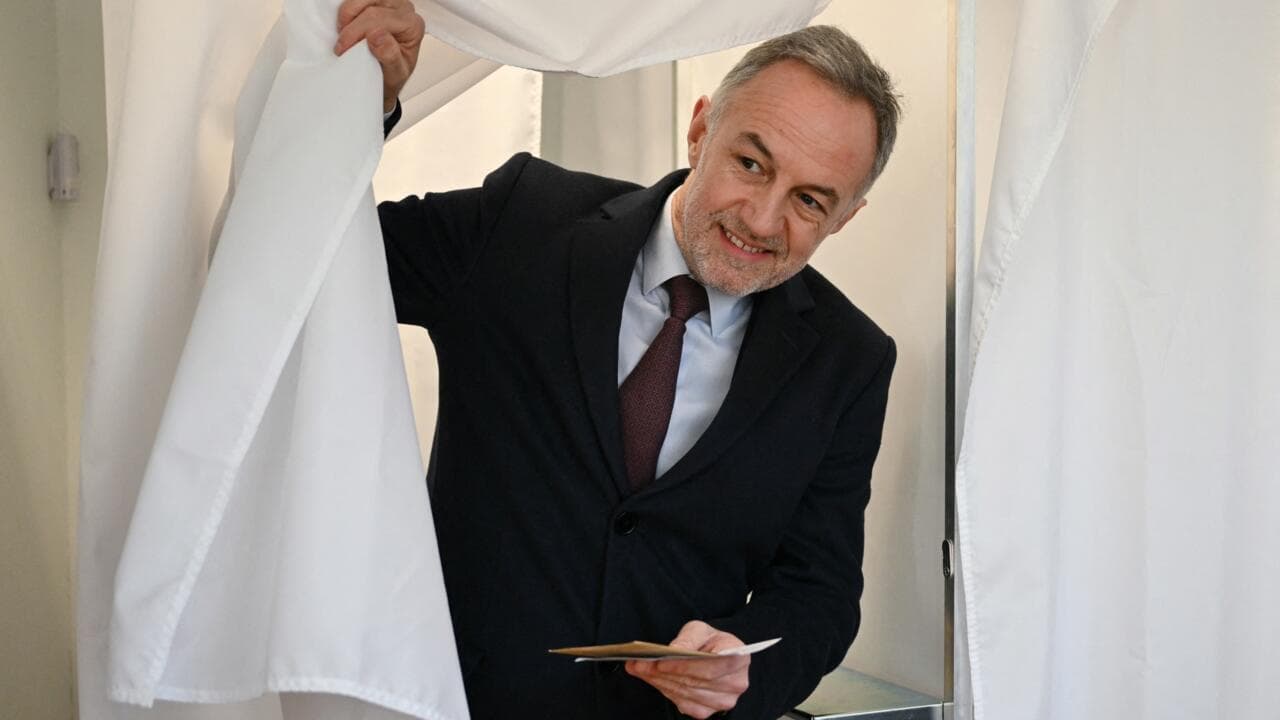
Emmanuel Grégoire, representing a left-wing alliance including the Socialist Party, Greens and Communists, emerged as the clear winner in the first round of Paris mayoral elections.
“Participation, surprises, results… actu Paris brings you live this Sunday, March 15, 2026, the first round of the Paris municipal elections”
According to multiple exit polls, Grégoire captured approximately 36.4-37% of the vote, putting him significantly ahead of rival Rachida Dati.
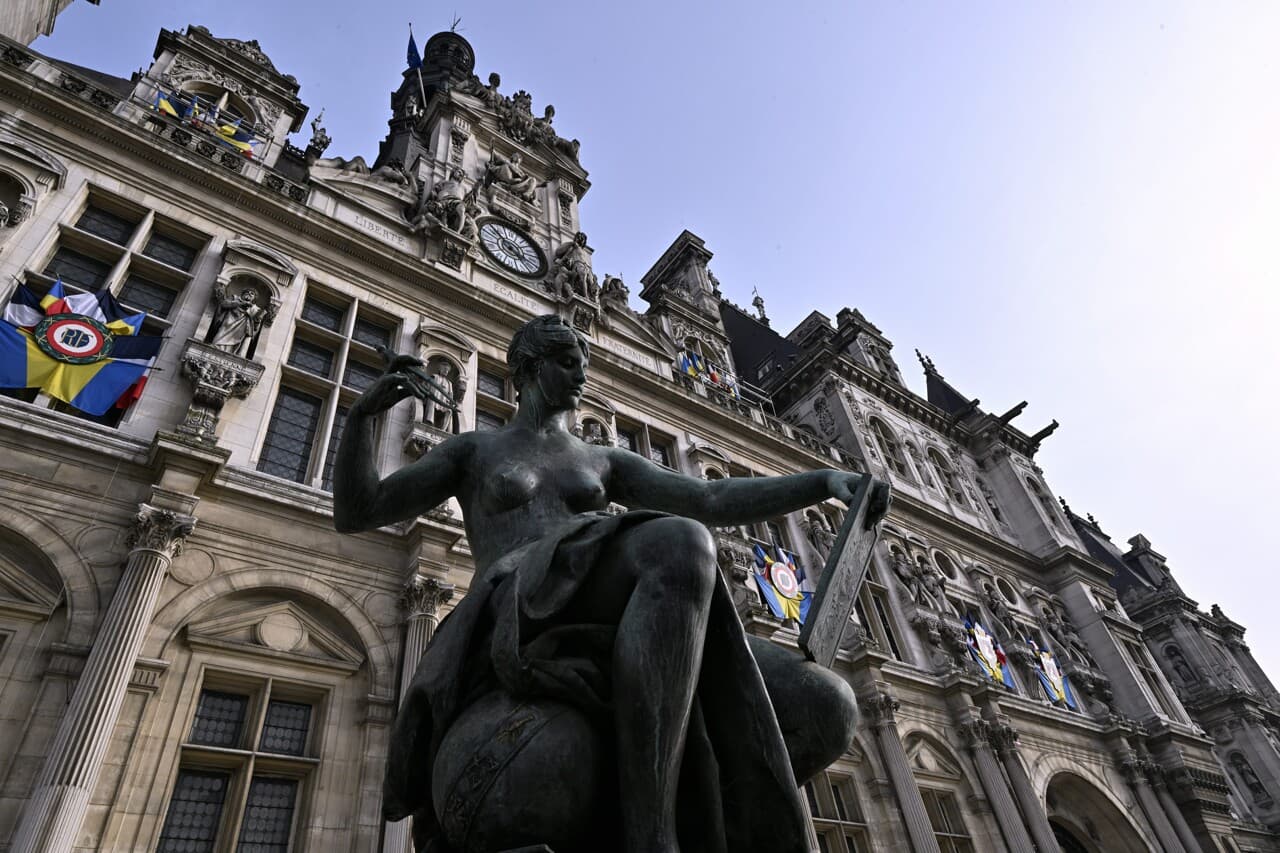
Dati received 24.4-25.2% of the vote, placing her in second position in the capital's mayoral race.
The results represent a continuation of the left's dominance in Paris, following 25 years of transformative rule under successive left-wing mayors Bertrand Delanoë and Anne Hidalgo.
Grégoire's strong performance demonstrates Parisians' continued support for the ecological and social transformations implemented during this quarter-century of left-wing governance.
Conservative Challenge
Rachida Dati, representing the conservative Les Républicains party, positioned herself as the candidate representing "Parisians' deep desire for change" despite finishing second.
Dati emphasized that the desire for change had shifted to her rivals on the right, Pierre-Yves Bournazel and Sarah Knafo, who campaigned with determination.
She called for "the broadest possible rally" arguing that "division weakens the camp of change and the left."
Dati's campaign focused on presenting herself as the alternative to 25 years of left-wing rule.
Her performance, while trailing Grégoire by about 12 percentage points, established her as the main conservative contender in the race for Paris mayor.
Leftist Split Threat
The left-wing camp faces a significant challenge from hard-left candidate Sophia Chikirou of France Unbowed (LFI), whose party secured approximately 13% of the vote in Paris.
“Published on [date] Updated on [date]”
Chikirou has positioned herself as a potential kingmaker, threatening to run in the second round if Grégoire refuses to merge his list with LFI.
In a statement addressing Grégoire, Chikirou declared: "our responsibility today is to prevent the right from winning Paris" and "Because the right's political agenda aligns with the far right. Emmanuel Grégoire cannot gamble with Paris's future."
The hard-left candidate warned that if Grégoire does not agree to form a "united anti-fascist front," she would file the "Nouveau Paris Populaire" list for the second round.
This threat of a leftist split comes as Grégoire has consistently ruled out joining forces with Chikirou, creating a potentially decisive dilemma.
National Political Landscape
The municipal elections take place against a backdrop of significant political realignments across France.
The National Rally emerged as a leading force in several cities, with party president Jordan Bardella announcing he would "extend a hand to sincere right-wing lists."

Several of the National Rally's incumbent mayors were reelected in the first round.
France Unbowed (LFI) demonstrated its growing influence, making inroads across the territory and securing victories in cities like Saint-Denis and Roubaix.
President Gabriel Attal's Renaissance party reported around a hundred mayors reelected in the first round, though the party faced challenges in maintaining its influence at the local level.
Historical Context
The outcome of the Paris mayoral race carries particular significance given the city's 25-year history of left-wing transformation.
“Municipal Elections 2026: The first-round results map for all of France, commune by commune”
This period has seen "the polluted metropolis" transformed into "a tree-lined city of bike lanes and pedestrian streets" through major ecological and social initiatives.

Anne Hidalgo, in her reaction to the first round results, emphasized that these transformations have been "recognized and approved by Parisians" after 12 years of her mayoral leadership.
The outgoing mayor called for "mobilization of Parisians around the forces of the left, ecologists and humanists who want to continue Paris's ecological and social transformations."
This historical context underscores what is at stake in the second round: the continuation of a quarter-century of progressive urban policies versus a potential shift toward more conservative governance.
Second Round Stakes
The second round of Paris mayoral voting promises to be highly complex, with the potential for a four-way race.
This depends on whether far-right candidate Sarah Knafo clears the 10% threshold, with polling data suggesting both Bournazel and Knafo appear likely to qualify.
Emmanuel Grégoire has urged voters to come together under his candidacy, warning that "Sunday, the right and the far right could win Paris."
He called on "all voters of the Republican camp, the progress camp, whatever their choice that day, to support the list we are presenting."
The high stakes are compounded by the threat of a leftist split, with both Grégoire and Chikirou claiming that the future of Paris hangs in the balance.
More on Europe

France's far-right gains threaten mainstream parties as mayoral vote tests 2027 presidential bid
16 sources compared

Left Leads Paris in First Round as RN and LFI Push Across France
12 sources compared
France's Municipal Elections Test Far-Right National Rally's Strength Ahead of 2027 Presidential Vote
10 sources compared

Muslim group claims responsibility for Amsterdam Jewish school explosion, mayor calls it attack on Jews
23 sources compared