Crime09 February, 20263 min read
Epstein Purchased 330 Gallons of Sulphuric Acid on Day FBI Opened Investigation, DOJ Files Show
Department of Justice released roughly three million pages of Epstein-related documents. Congress members reviewed unredacted files, alleging redactions concealed prominent individuals.
22 outlets told this the same way.
Acid purchase in Epstein probe
Justice Department documents include a receipt and email exchanges showing a purchase of 330 gallons (six 55-gallon drums) of sulphuric acid for Jeffrey Epstein’s Little St. James island on June 12, 2018, the same day the FBI opened a federal trafficking investigation.
“Documents from the recently released Jeffrey Epstein files show a receipt and email exchanges indicating 330 gallons (six 55‑gallon drums) of sulphuric acid were purchased for Epstein’s Little St. James island on June 12, 2018 — the same day the FBI opened a federal trafficking investigation.”
The order, for £4,373, itemized the acid alongside parts for the island’s reverse-osmosis water-treatment plant, noting materials for conductivity probes and a replacement pH cable.

The Daily Mail reports that the disclosure sparked social-media speculation the acid might have been used to destroy evidence or human remains.
However, the files also include older emails describing sulphuric acid as part of routine reverse-osmosis and water-treatment processes and state there is no evidence in the documents that the chemical was used for criminal purposes.
This single-item purchase has become a focal point for public attention as analysts continue to comb roughly three million pages released in late January.
DOJ release and disputes
The acid purchase is reported within a much larger DOJ disclosure.
Government releases on Dec. 19 and Jan. 30 included roughly three million pages, about 180,000 images and roughly 2,000 videos organized into datasets.

Officials characterized the Jan. 30 posting as completing a comprehensive review.
Al Jazeera summarized the scale of the Jan. 30 release.
Other outlets (Knewz, International Business Times, Moneycontrol) reported disputes between the DOJ's accounting of produced materials and survivors' groups who say far more files remain undisclosed.
That disagreement over how many pages still exist and what should be public has driven both public protests and congressional attention.
Findings from Epstein records
An Associated Press review of newly released records clarified what investigators could and could not substantiate. FBI and federal prosecutors concluded there is extensive evidence that Epstein repeatedly paid for and sexually abused underage girls. However, officials repeatedly said they found insufficient evidence to prove a wider trafficking ring involving powerful clients.
“Associated Press review of newly released Justice Department records — FBI and prosecutor notes, emails, financial reviews and evidence inventories from searches of Epstein’s homes in New York, Florida and the U.S. Virgin Islands — shows investigators concluded Jeffrey Epstein repeatedly paid and sexually abused underage girls.”
Folha de S.Paulo, The Morning Voice (AP summary) and India Today report that agents and prosecutors were unable to corroborate many allegations that victims were directed to other men, even though some names appear in the files. Forensic reviews cited in the reporting tended to indicate sexual contact by Epstein and Ghislaine Maxwell rather than by third parties.
DOJ redaction concerns
The releases have drawn scrutiny for redaction failures and tightly restricted access. An AP review — cited by The Daily Jagran — found that some DOJ redactions failed and that files improperly exposed sensitive information, including full bank and Social Security numbers and identifying photos. The Daily Jagran says these errors could embarrass and endanger victims.
Lawmakers noted by Evrim Ağacı warn that reviewers have only limited, slow access, with files viewable only on DOJ machines in a secure room and long delays for appointments. They also say many names remain redacted without a required privilege log.

The DOJ maintains redactions are meant to protect victims, a position reflected in Moneycontrol’s summary. However, the combination of redaction errors and restricted access has intensified calls for congressional oversight.
Reactions to document release
Public and political reactions were immediate.
“Survivors organized by World Without Exploitation ran a 40‑second Super Bowl Sunday ad showing them with redaction bars over their mouths and urging Attorney General Pam Bondi to make more files public; the spot claims ‘3 MILLION FILES Still Have Not Been Released.’”
Survivors organized by World Without Exploitation ran a widely reported Super Bowl-era ad urging Attorney General Pam Bondi to release remaining records.
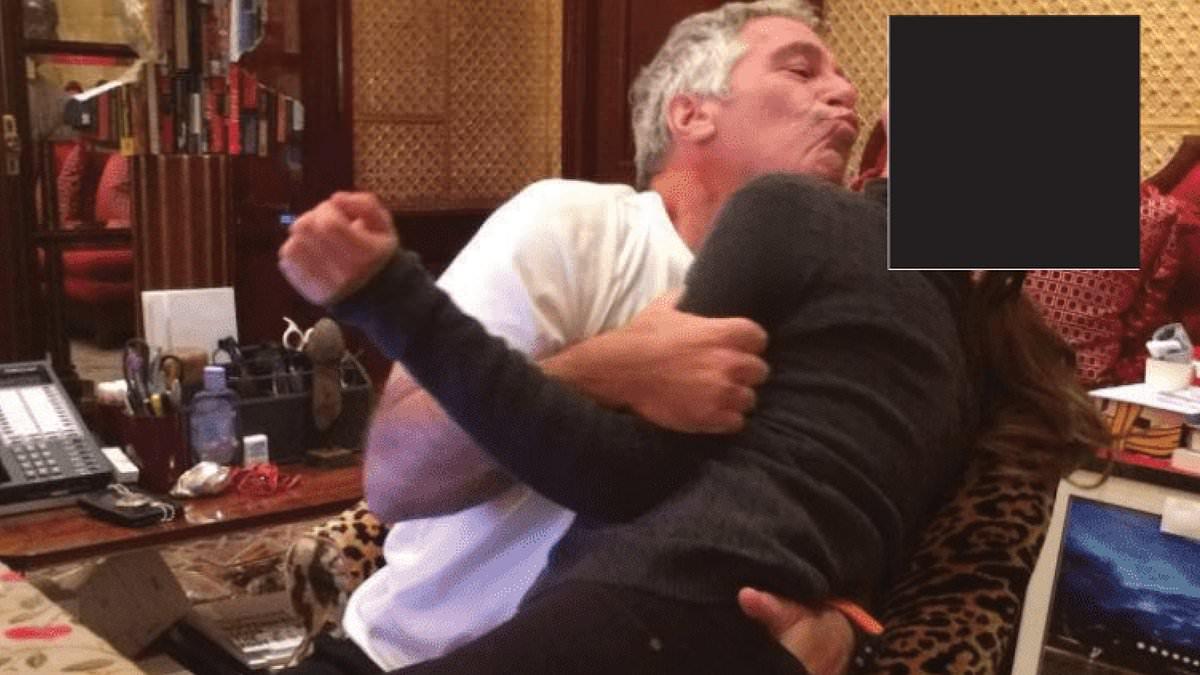
Survivors and some lawmakers argue significant material remains sealed, while the DOJ and Deputy Attorney General Todd Blanche say the Jan. 30 posting completed its review.
Congressional oversight, planned depositions of Ghislaine Maxwell, and protests by advocates followed.
BBC and the-star.co.ke report Maxwell’s impending congressional appearance and the survivors’ demand that more documents be made public.
International Business Times and Knewz add that the presence of high-profile names in the files has polarized public reactions.
Outlets citing AP-based reviews underline that mentions do not equal proof of guilt.