Crime08 December, 20252 min read
Ernakulam Sessions Court Acquits Malayalam Actor Dileep of 2017 Abduction and Rape of Actress
Ernakulam Principal Sessions Court acquitted actor Dileep of all charges. Court convicted six others, including Sunil NS (Pulsar Suni), for gang rape, kidnapping, conspiracy.

33 outlets told this the same way.
Verdict in 2017 assault case
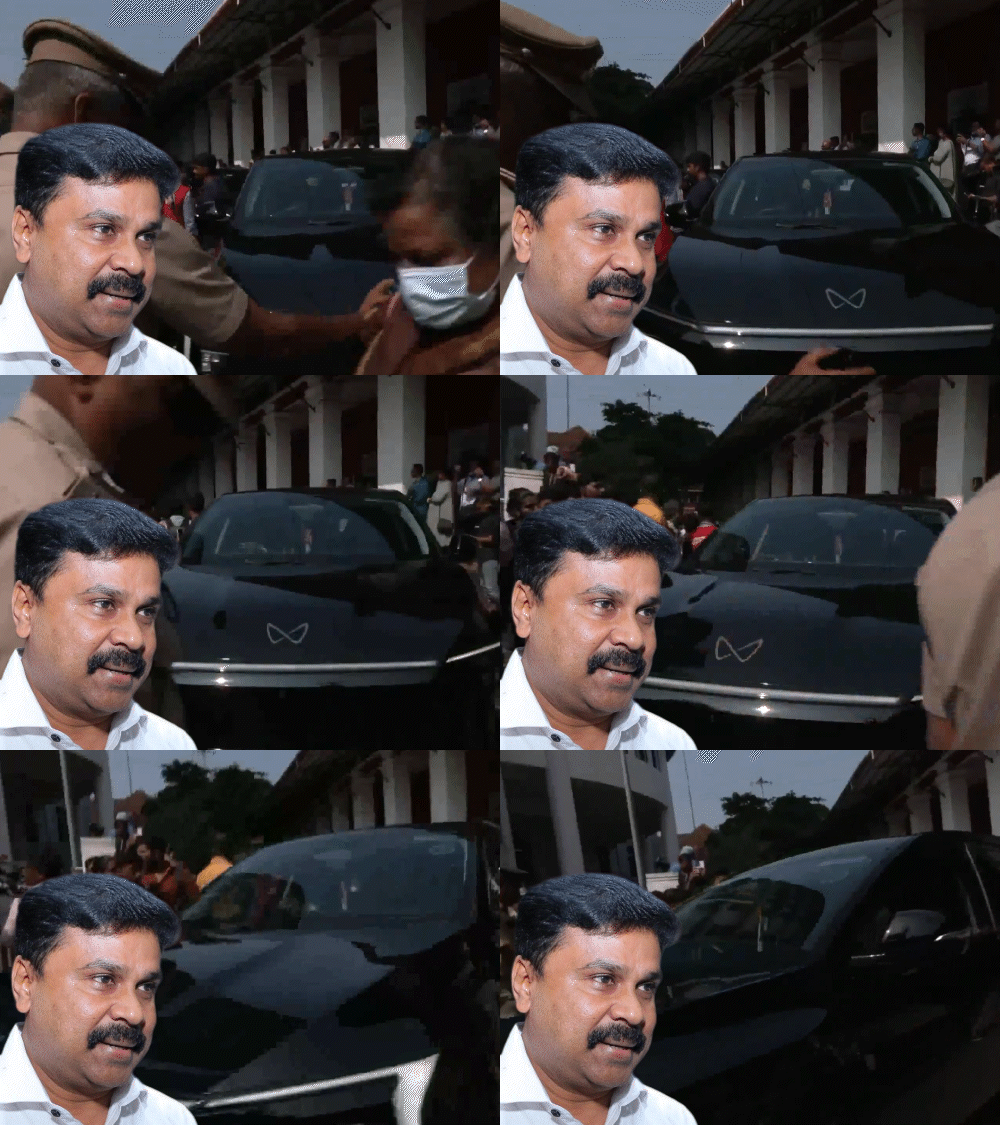
On December 8, 2025, the Ernakulam Principal District and Sessions Court acquitted Malayalam actor Dileep (P. Gopalakrishnan) of all charges in the high-profile 2017 abduction and sexual assault case.
“A Kerala court on Monday acquitted Malayalam actor Dileep and three co-accused in the high‑profile 2017 abduction and assault case, saying the prosecution failed to establish his role.”
The judge said the prosecution failed to prove his role in a criminal conspiracy.

The court simultaneously convicted six other men.
The verdict closed an almost eight- to nine-year legal saga that began after the February 17, 2017 attack on a well-known actress.
Judge Honey M. Varghese delivered the ruling in open court.
Dileep, who was present, called the case a conspiracy against him and thanked his lawyers and supporters.
Sentencing for the six convicted accused is scheduled for December 12.
The Kerala government has said it will appeal Dileep's acquittal.
Trial record summary
The trial record is lengthy and contested. Courts and reports state the trial examined roughly 260–261 witnesses and hundreds to over a thousand documents. Dozens of witnesses turned hostile, and numerous procedural delays, appeals, and interim rulings extended proceedings across nearly eight years.
Different outlets cite slightly different tallies of evidence, reflecting the case's procedural complexity. All note the trial's scale and the role of hostile witnesses and repeated appeals in prolonging the matter.
Reactions to acquittal verdict
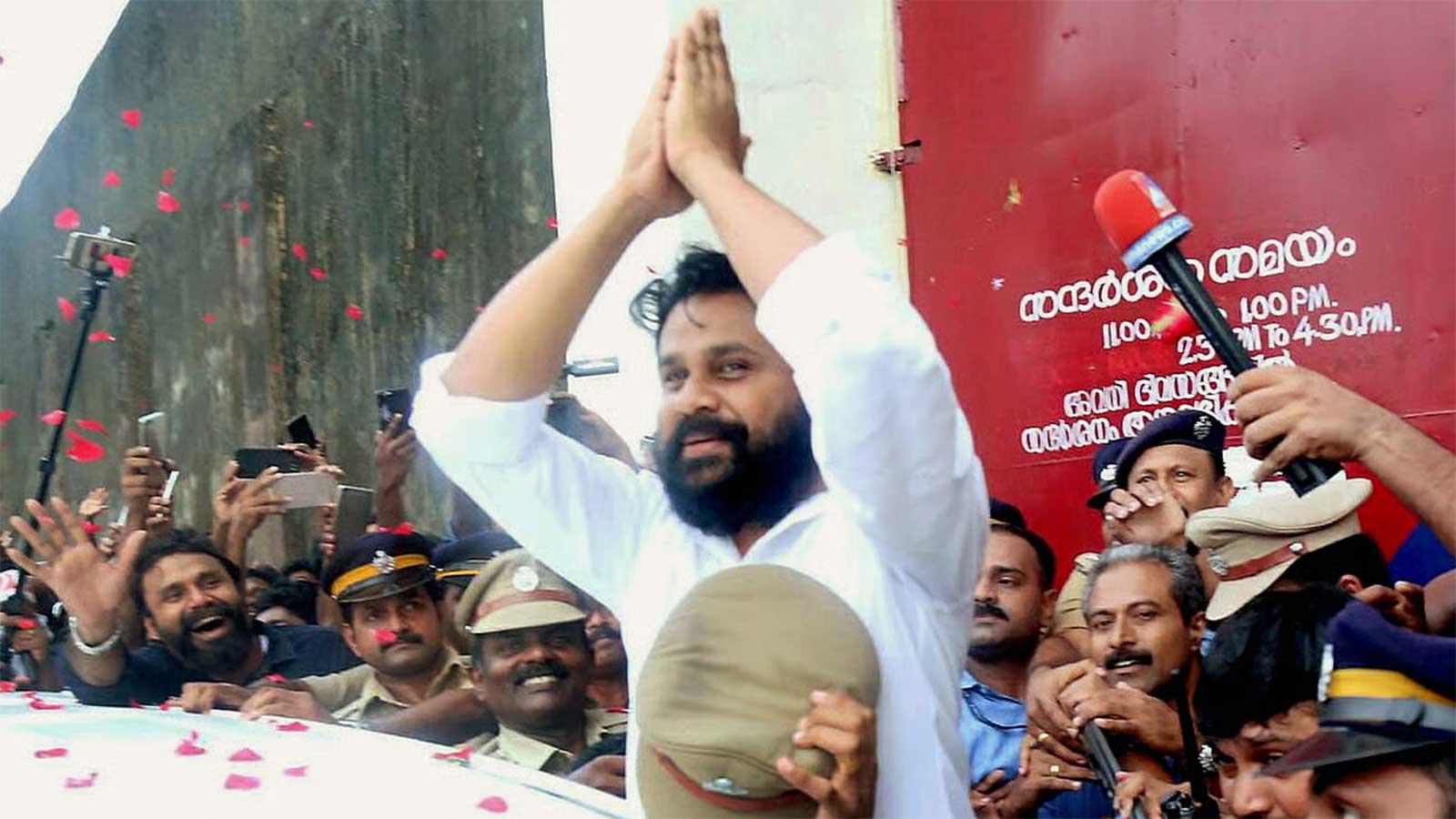
Immediate reactions were sharply divided. Dileep hailed the verdict as vindication and again alleged a conspiracy that ruined his career. The survivor, who publicly waived anonymity in 2022 and was present in court, said she would challenge the acquittal.
“Dileep... called the matter a conspiracy against him and thanked his lawyers and supporters.”
Political and institutional responses followed as well. The Kerala government said it will appeal the acquittal and publicly affirmed support for the survivor. Several actresses and other industry figures expressed anger and solidarity with the victim.
Convictions and acquittals
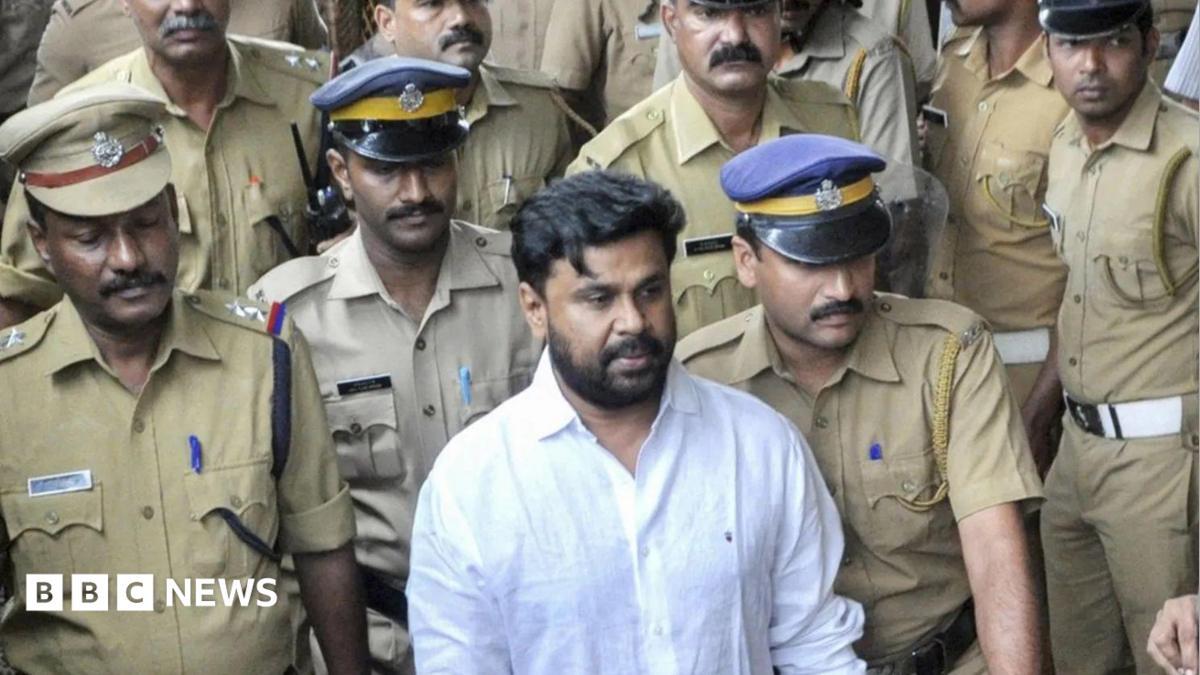
The court convicted six men: Sunil NS (Pulsar Suni), Martin Antony, Manikandan B, Vijeesh VP, Salim H (Vadival Salim) and Pradeep.
They were found guilty on charges including criminal conspiracy, kidnapping and wrongful confinement, assault to outrage modesty, attempt to disrobe and gang rape.
Several outlets also reported convictions under IT laws for recording or transmitting the assault.
Three co-accused—Charly/Charlie Thomas, Sanil/Mesthri Sanil and Sarath/G. Sarath—were acquitted alongside Dileep in the trial court's verdict.
Industry and legal fallout
Commentators and civil-society observers emphasised the case’s wider implications for the Malayalam film industry and public debate on women’s safety. Reports link the trial to industry reforms, the Women in Cinema Collective, and official reviews of harassment.
“The case helped spur the formation of the Women in Cinema Collective (WCC).”
Others underscore the continuing legal aftershocks, including appeals, new FIRs, and possible further litigation by the survivor. Coverage differs in focus, with some outlets highlighting systemic findings and calls for reform, while others foreground immediate legal maneuvers and political responses.