Ukraine War20 December, 20252 min read
EU Agrees €90 Billion Loan to Ukraine, Will Borrow Instead of Using Frozen Russian Assets
EU will raise €90 billion through joint, zero‑interest borrowing to lend Ukraine for 2026–2027 EU abandoned seizing roughly €210 billion of frozen Russian assets; assets remain unused
20 outlets told this the same way.
Outlets did split on Russian Attack Kills At Least 33 On Two Buses In Kramatorsk →
EU loan plan for Ukraine
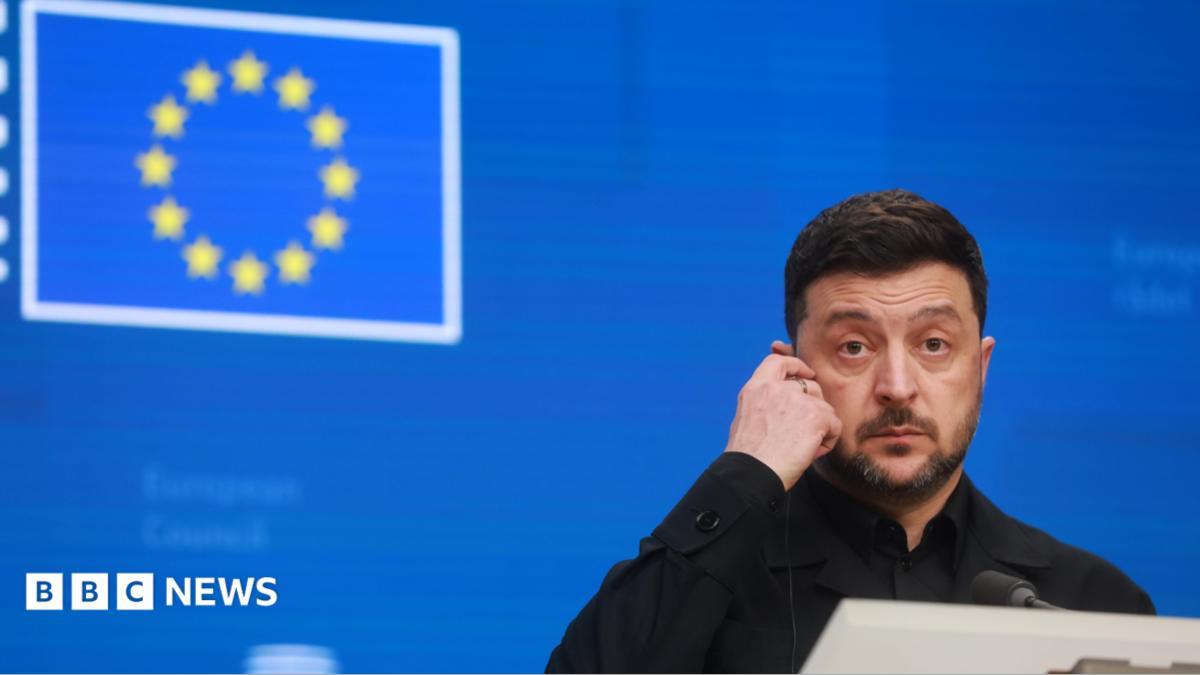
EU leaders at a Brussels summit agreed to provide a €90 billion loan to Ukraine for 2026–2027. They chose to raise the money through joint EU borrowing backed by the EU budget rather than immediately tapping roughly €210 billion in frozen Russian central-bank assets. Multiple outlets describe the deal as abandoning an earlier plan to use the frozen assets, while reserving the option to explore them later as a potential source to repay the loans.
“EU leaders agreed in Brussels to provide Ukraine a €90 billion loan over the next two years ... The deal abandons an earlier proposal to use roughly €200 billion in frozen Russian central‑bank assets ...”
Commission and Council officials were quoted saying repayment by Ukraine would only begin once Russia compensates for war damage. The package is framed as an emergency measure intended to keep Kyiv solvent and sustain defence and reconstruction funding over the next two years.
EU decision on frozen assets
The summit dropped the more confrontational Plan A of directly seizing or using frozen Russian central-bank assets, reported as roughly €210 billion. Delegates cited legal, liability and political concerns, with Belgium particularly warning of lawsuits and exposure, while several governments raised sovereign-immunity and investor-confidence risks.
Coverage across multiple outlets stressed that those legal and retaliatory objections were decisive in steering leaders toward borrowing instead of immediate asset seizure. At the same time, leaders asked the Commission to continue exploring reparations mechanisms and kept the frozen assets immobilised for now.

EU loan package details
The mechanics of the package and member-state participation varied in coverage. Most mainstream reports note the loan will be backed by the EU's long-term budget and issued on capital markets, with repayment contingent on Russia paying reparations. Several outlets say 24 of the 27 member states will participate while the Czech Republic, Hungary and Slovakia secured exemptions from fiscal obligations.
“24 of 27 member states will participate; the Czech Republic, Hungary and Slovakia opted out, a move noted as a strain on EU unity.”
Writers emphasized the urgency, noting Commission estimates that Ukraine needed substantial funds to avoid a cash crunch. Leaders presented the borrowing as both a financial lifeline and a political message of continued EU support.
Media reaction overview
Reactions and political spins differ sharply across source types. Russian and pro-Russia coverage highlights Kremlin outrage, with Vladimir Putin calling the seizure of assets 'open robbery' and warning of consequences. Regional and opinion pieces argued the EU 'blinked' by not seizing the assets, portraying the outcome as a political win for some EU leaders and a loss for others.
Some outlets portray the borrowing route as preserving unity and speed (iwcp.net, vijesti.me). Gulf Stream Blues and certain commentators framed the borrowing route as a diplomatic defeat that leaves Russia's cash untouched and damages EU credibility.

EU reparations and assets
Analysts and regional outlets warn the compromise may be only a temporary fix. Most sources say the Commission and member states have kept legal and technical options open to develop a formal reparations mechanism. Several reports emphasize that frozen Russian assets remain immobilised and could later play a role in repayment.
“They said the option to use those assets remains on the table for later, but for now the funds will stay frozen.”
Political, legal and international relations hurdles — including lawsuits (for example, Russia's actions against Euroclear), threats of retaliation, and U.S. and EU domestic politics — mean the frozen assets question is far from resolved. The borrowing move may re-open contentious debates at future summits.
