EU and Australia Seal Sweeping Free-Trade Deal
Key Takeaways
- After eight years, EU and Australia sealed a sweeping free trade deal.
- The deal expands EU access to Australia's critical minerals and rare-earth resources.
- It aims to bolster resilience amid global geopolitical uncertainty.
Trade Deal Overview
The European Union and Australia finalized a comprehensive free trade agreement after nearly eight years of negotiations, representing a significant economic partnership between the two regions.
“EU-Australia deal at a crossroads: the beef issue stalls the free-trade agreement”
The deal eliminates approximately 98% of EU duties on Australian goods including wine, dairy products, wheat, barley and seafood, while Australia will remove over 99% of tariffs on EU goods particularly dairy, motor vehicles and chemicals.
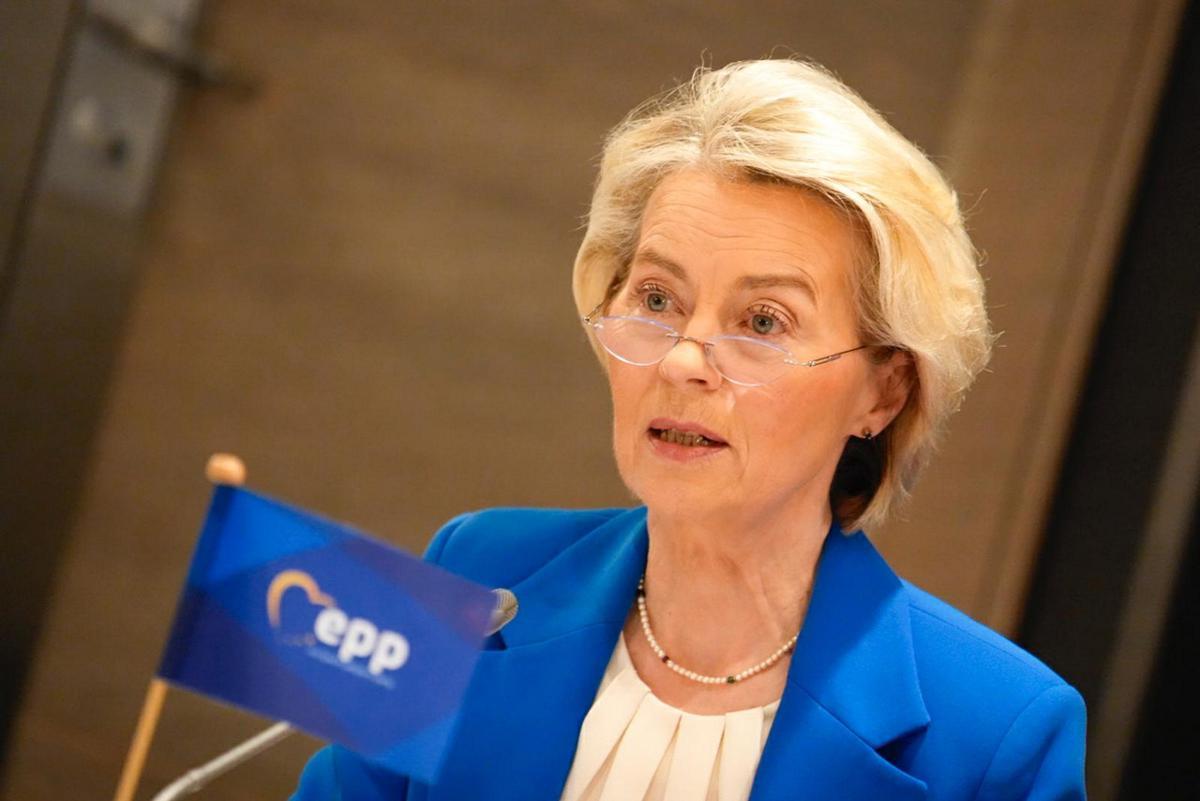
European Commission President Ursula von der Leyen emphasized the strategic importance of the agreement, stating "We are sending a strong signal to the rest of the world that friendship and cooperation is what matters most in times of turbulence" and noting that "the EU and Australia may be geographically far apart but we couldn't be closer in terms of how we see the world."
The agreement, which builds on increased cooperation following higher U.S. tariffs under the Trump administration, is projected to boost EU GDP by €4 billion by 2030 and increase EU exports to Australia by up to 33% over the next decade, reaching €17.7 billion annually.
Despite the comprehensive nature of the deal, negotiations had previously stalled in 2023 over disagreements regarding agricultural quotas, with Australia seeking greater access for lamb and beef exports while the EU pushed for better access to critical minerals.
Agricultural Compromises
The trade agreement addresses sensitive agricultural issues through carefully negotiated compromises on food naming rights and export quotas.
While the deal eliminates most tariffs on agricultural products, it maintains some restrictions that reflect Europe's desire to protect its geographical indications.
Australian producers can continue using names including parmesan, though feta cheese will be subject to "grandfathering and lengthy phase-out periods," and Australian-style prosecco can still be sold domestically under that name, though the designation will be phased out over 10 years for exports.
Notably, Australia becomes the only country outside Italy to have secured EU permission to use the name prosecco.
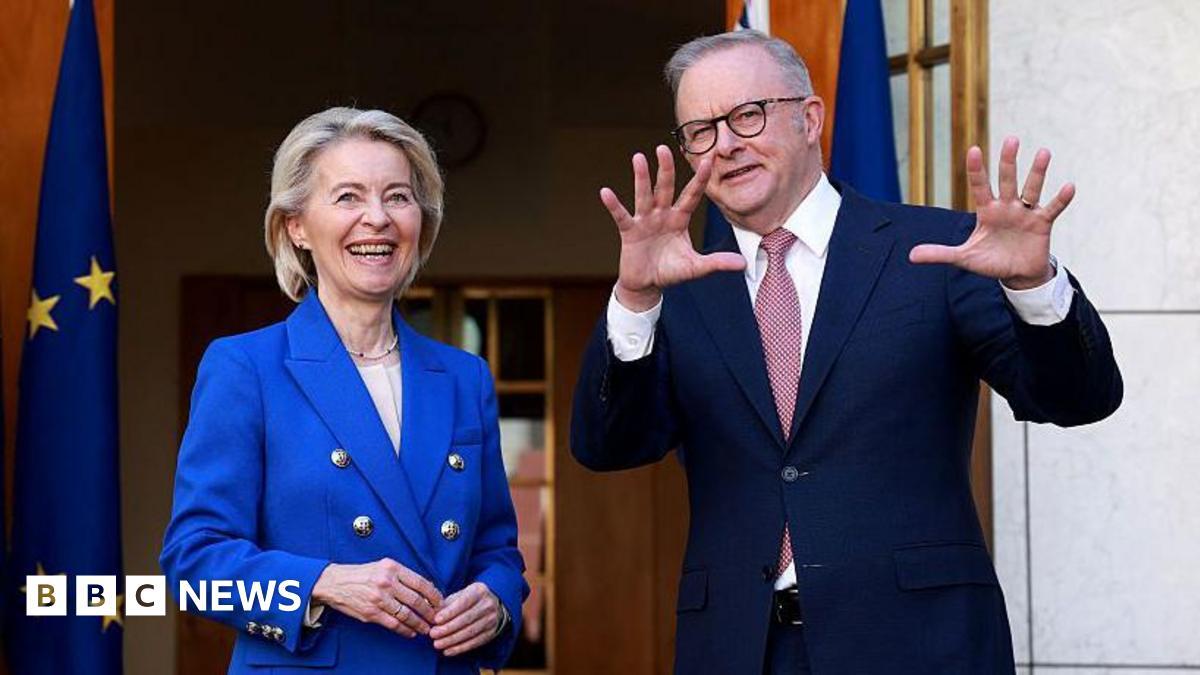
Australian Prime Minister Anthony Albanese defended these arrangements by noting that "Australia's modern history was built on migrants," explaining how various European communities have contributed to Australia's culinary landscape.
However, the meat provisions have drawn criticism from Australian agricultural groups, with Andrew McDonald from Meat and Livestock Australia stating that while the deal increases beef export quotas from 3,389 to approximately 30,000 tonnes annually, it falls short of Australia's demand for at least 50,000 tonnes, calling it "unquestionably a missed opportunity for Australia's red meat producers, processors and exporters."
European agriculture lobby group Copa-Cogeca also voiced concerns, arguing that "the cumulative impact of successive trade agreements makes these concessions unacceptable" for a sector already burdened by previous trade accords.
Critical Minerals Strategy
A central pillar of the EU-Australia trade agreement is securing reliable supply chains for critical raw materials essential to the European Union's economic security and green transition.
“The European Union and Australia agreed to a sweeping trade deal on Tuesday, the latest move by U”
The deal ensures the EU's access to vital Australian minerals including aluminum, lithium and manganese, which are crucial for manufacturing batteries for electric vehicles and other industrial applications.
The European Commission specifically highlighted that "Trade in CRMs is currently easily disrupted by sudden economic or geopolitical shocks," emphasizing that partnerships with "reliable partners" are essential for protecting supply chains.
This strategic focus on critical minerals reflects the EU's broader effort to reduce dependency on China, particularly in sectors where Beijing has imposed export controls on key resources.
According to the European Commission statement, the agreement will allow "almost all Australian exports of manufactured goods and mineral resources" to enter the European Union with zero import tariffs, significantly enhancing market access.
The deal comes amid growing geopolitical uncertainty, with the EU actively seeking to diversify its economic relations and defense partnerships amid concerns about the reliability of traditional allies.
Investment from the European Union, which is Australia's second-largest source of foreign investment, is projected to grow by over 87% under the agreement, further strengthening the economic ties between the two regions.
Security Cooperation
Beyond trade and economic cooperation, the EU-Australia agreement establishes a comprehensive framework for security and defense partnerships that address contemporary geopolitical challenges.
The two sides committed to strengthening cooperation in crisis management, maritime security, and disruptive technologies including artificial intelligence, reflecting their shared concerns about regional stability and technological competition.
European Commission President Ursula von der Leyen emphasized the broader strategic alignment, noting that "with these dynamic new partnerships on security and defense, as well as trade, we are moving even closer together."
The agreement represents part of a broader EU strategy to diversify its international partnerships amid what officials describe as increasing uncertainty in traditional alliances.
The European Union has been actively pursuing new agreements with trade partners over the past year to reduce dependencies and build more resilient economic and security relationships.
This shift reflects concerns about the changing global landscape, particularly as the U.S. appears to be "increasingly unreliable" according to European officials.
The deal comes at a time when Australia, under Prime Minister Anthony Albanese, has been working to strengthen its ties with European partners while maintaining its traditional relationships.
The comprehensive nature of the agreement, covering both economic and security dimensions, demonstrates the growing importance of the EU-Australia relationship in the Indo-Pacific region and beyond.
Economic Impact
The EU-Australia free trade agreement is projected to generate significant economic benefits for both regions, with the European Union enjoying a substantial trade surplus and Australian exporters gaining improved market access.
“EU-Australia deal at a crossroads: the beef issue stalls the free-trade agreement”
According to official figures, the EU maintained a surplus of €28 billion in goods trade with Australia in 2024, and this advantage is expected to grow under the new agreement.
For Australian consumers, the deal will result in lower prices for European products including wine, spirits, biscuits, chocolates and pasta, with Australian wine producers alone expected to save approximately A$37 million annually through reduced EU tariffs.
The agreement's economic impact extends beyond trade figures to include increased investment flows, with European investment in Australia projected to grow by over 87%.
The deal includes a bilateral safeguard mechanism that allows the EU to protect sensitive European products and producers if a surge in Australian imports causes market damage, providing balance to the liberalization measures.
European Commission officials have framed the agreement as a model for future trade partnerships that balance economic openness with strategic considerations, particularly in critical sectors.
The successful conclusion of negotiations, which began in 2018 and faced various challenges, demonstrates the commitment of both sides to strengthening their relationship despite geopolitical uncertainties and domestic political considerations in both regions.
More on Business

Revolut reports record $2.3 billion pretax profit for 2025
13 sources compared

OnlyFans owner Leonid Radvinsky dies of cancer at 43
42 sources compared

3,800 UFCW Local 7 workers strike at JBS plant in Greeley, Colorado.
10 sources compared

Senate Passes Bipartisan Housing Bill Banning Institutional Investors From Buying Single-Family Homes
19 sources compared