Europe18 January, 20262 min read
EU and UK Accuse Trump of Blackmail Over 10% Greenland Tariff
Trump announced 10% tariffs on eight European allies from Feb 1, rising to 25% June 1. EU and UK condemned the tariffs as blackmail and convened emergency diplomatic talks.

27 outlets told this the same way.
Outlets did split on Marco Rubio Urges Europe To Awaken From Slumber In Athens Speech →
Trump tariffs and Greenland
Former US president Donald Trump posted on Truth Social announcing he would impose a 10% tariff from Feb. 1 on imports from Denmark, Norway, Sweden, France, Germany, the UK, the Netherlands and Finland, rising to 25% on June 1.
“President Donald Trump said he will impose a 10% tariff on Feb. 1, 2026 on imports from Denmark, Norway, Sweden, France, Germany, the UK, the Netherlands and Finland, rising to 25% on June 1, 2026 unless the United States reaches a deal to buy Greenland. He described the duties as punishment for those countries opposing his proposal to acquire the Danish territory.”
He said the duties would remain 'until such time as a Deal is reached for the Complete and Total purchase of Greenland' and framed the move as tied to a bid to buy the Danish territory and to alleged security threats.
The announcement repeated Trump’s long-running interest in acquiring Greenland and linked the tariff ultimatum to concerns about Chinese and Russian activity in the Arctic.
Several outlets report he described the duties as punitive toward countries opposing a US purchase.
EU reaction to tariff threat
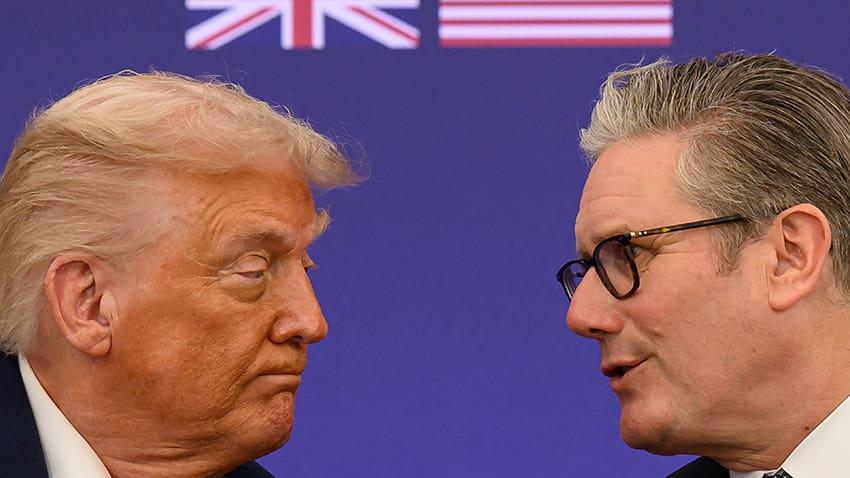
European leaders reacted swiftly and angrily, calling EU ambassadors to an emergency meeting and warning that the measures would harm transatlantic ties and prompt a coordinated response. The European Commission and Council leadership, along with national leaders including UK prime minister Keir Starmer and France's Emmanuel Macron, publicly rejected economic coercion and framed Greenland's future as a matter for Greenlanders and Denmark. Several outlets noted officials described the tariff threat as damaging to existing negotiations and as risking a 'dangerous downward spiral' in relations.
Greenland and Denmark protests
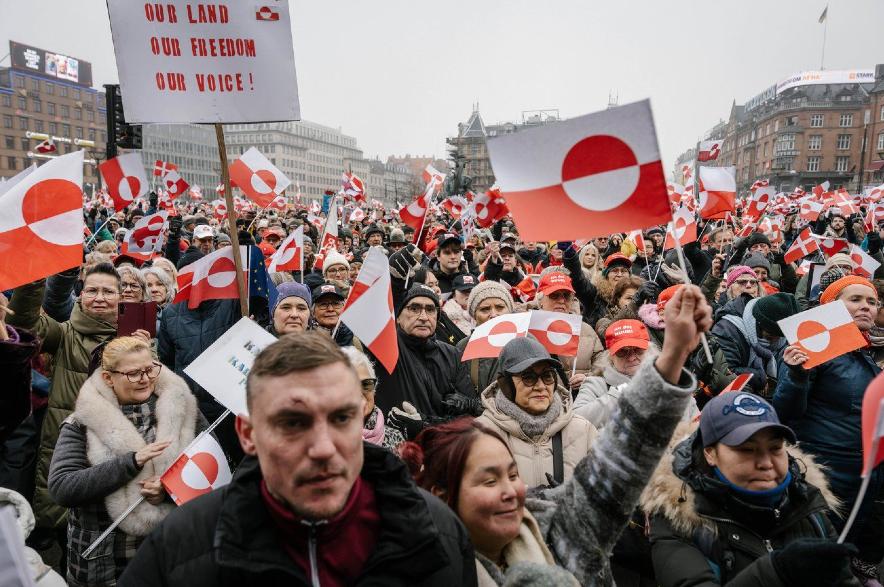
The tariff threat prompted mass protests in Greenland and Denmark. Several sources reported thousands marching in Nuuk and Danish cities, with Greenland's prime minister joining at least one rally, and demonstrators chanting 'Greenland is not for sale' while wearing anti-annexation gear such as 'Make America Go Away' caps. Local civil-society leaders described the episode as an affront to Greenlandic self-determination, warned against external coercion, and said the US plan was 'illegal' in some cases.
“Several thousand people protested in Greenland and in several Danish cities against what organizers called ‘the United States' illegal plans to take control of Greenland.’”
Debate over US tariff threats
Analysts and legal commentators highlighted questions about the legality and practicality of unilateral US tariff threats. RTE noted the lack of published legal authority for the proposed measures and warned such unilateral threats could jeopardize approval prospects for negotiated trade arrangements. Other outlets pointed to likely economic fallout for Europe and expressed skepticism about whether the announcement reflects a credible policy rather than rhetorical pressure.
Some reports explicitly called the move a punitive bargaining tactic rather than a settled policy. Several outlets flagged officials describing the announcement as a surprising and destabilizing escalation.
NATO, Arctic and trade fallout
Observers warned the episode could have longer-term consequences for NATO cooperation, Arctic security and transatlantic trade politics. Mainstream outlets framed the tariff threat as risking damage to US-EU ties and to negotiations on trade. Local voices in Greenland framed the tariff threat as an assault on self-determination and on human-rights rhetoric around the Arctic.
“President Trump threatened steep new tariffs on eight countries unless they agreed to a 'complete and total' U.S. purchase of Greenland, warning tariffs would start at 10% in February and rise to 25% in June and framing the move as a national-security necessity against Chinese and Russian interest while proposing a U.S. defense installation.”
Analysts warned that treating allies unevenly could undermine broader European support for deals previously negotiated with the US. Several sources connected the dispute to the island's strategic value as the Arctic opens and to prior US comments about Greenland acquisition.
