Ukraine War12 December, 20252 min read
EU Freezes €210 Billion in Russian Assets Indefinitely to Fund Ukraine's Defense
This article is an automated aggregation of coverage from news outlets. Our editorials offer in-depth analysis curated by the NewsCord team.
EU indefinitely froze €210 billion of Russian assets held across Europe Measure prevents Hungary and Slovakia blocking asset use, enabling loans to fund Ukraine's defense

8 outlets told this the same way.
EU freezes Russian bank assets
EU leaders agreed to keep roughly €210 billion of Russian central bank assets frozen in Europe indefinitely. Multiple outlets described the move as removing the six-month renewal process and locking the funds while political decisions on their future use are worked out. Reports say the decision removes the need to renew the freeze every six months and formalizes continued blocking until Russia pays reparations to Ukraine.
“The EU moved to indefinitely freeze €210 billion of Russian central bank assets held in Europe, removing the need to renew the freeze every six months and preventing individual member states (notably Hungary and Slovakia) from forcing the funds’ return.”
Other coverage frames the measure as preventing individual member states from forcing the funds' return. The freeze has been presented both as a procedural change and as a political signal that the EU is preparing mechanisms to support Ukraine if leaders reach consensus on next steps.
Status of frozen assets
The freeze is indefinite, but coverage stresses it does not yet authorize direct use of the funds. El Mundo explicitly notes the decision does not yet authorize using those assets, for example to back a loan to Ukraine. DW says the step advances plans to potentially use those funds to underwrite loans for Ukraine’s defense, but adds that EU leaders must still agree on the structure of any loan at an upcoming summit.
Reporting also highlights legal and custodial complexities, noting that Euroclear holds a large portion of the frozen amounts. Reports add that Russia’s central bank has already taken legal action in response to being cut off.
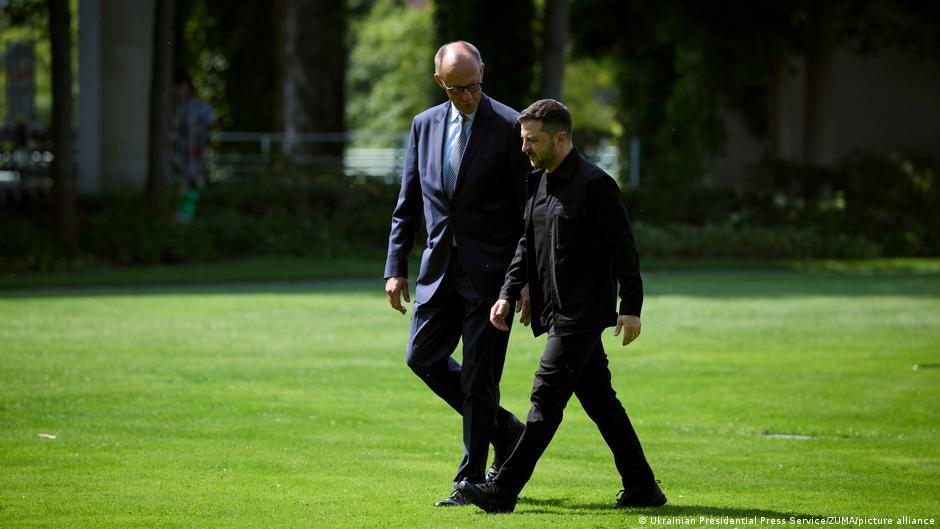
EU decision on indefinite freeze
The decision sits amid fraught intra-EU politics. Outlets report that Belgium, Bulgaria, Italy and Malta publicly said they voted yes. Other reports say the indefinite freeze removes a path for holdout members like Hungary and Slovakia to force releases or block further measures.
“Belgium, Bulgaria, Italy and Malta said they voted yes, stressing that final decisions on using immobilized assets must be taken by EU leaders; EU Council President António Costa said the bloc had delivered on an October pledge to keep assets frozen until Russia ends its war and pays compensation.”
Coverage credits the move with overcoming a procedural lever that had allowed member states to influence renewals every six months. It frames the indefinite freeze as both a bargaining tool and a protection mechanism inside the bloc.
Russia's response to EU measures
Russia has already responded through legal and rhetorical channels, with reports showing the Russian central bank filed a lawsuit in Moscow against Euroclear seeking damages and publicly calling the EU measures illegal. Moscow also warned of possible countermeasures, including seizing Western assets in Russia (said to exceed €200 billion) or stepping up hybrid actions such as cyberattacks and disinformation. These reactions underscore the diplomatic and security risks tied to immobilizing large foreign reserves.
Asset freeze and sanctions
Coverage places the asset freeze alongside broader steps aimed at squeezing Russia’s ability to evade sanctions and at bolstering Ukraine’s defense. El Mundo details plans for ministers to target the 'ghost fleet' that helps Russia skirt oil restrictions and reports expected measures including blacklisting additional vessels.
“EU foreign ministers plan to meet Monday to approve further measures: expanding sanctions against the ‘ghost fleet’ of ships that help Russia evade oil restrictions, blacklisting additional vessels, and pursuing bilateral agreements with flag states to allow pre-authorized boardings.”
Both El Mundo and DW describe continuing exchanges of strikes on energy and civilian infrastructure and battlefield movements, with Ukraine reporting advances around Kupiansk. Ukrainian and other sources frame the freeze as removing an obstacle to financing defense and reparations, linking economic pressure to military and diplomatic efforts.
