Arab News
France’s jailed ex-president Sarkozy targeted by death threats, prosecutor office says
 O Liberal
Nicolas Sarkozy, former President of France, is arrested in Paris | World | O Liberal
 The US Sun
Moment prisoners make DEATH THREATS to Sarkozy & vow to 'avenge Gaddafi'
 The Sun
Moment prisoners make DEATH THREATS to Sarkozy & vow to 'avenge Gaddafi'
 primetimer
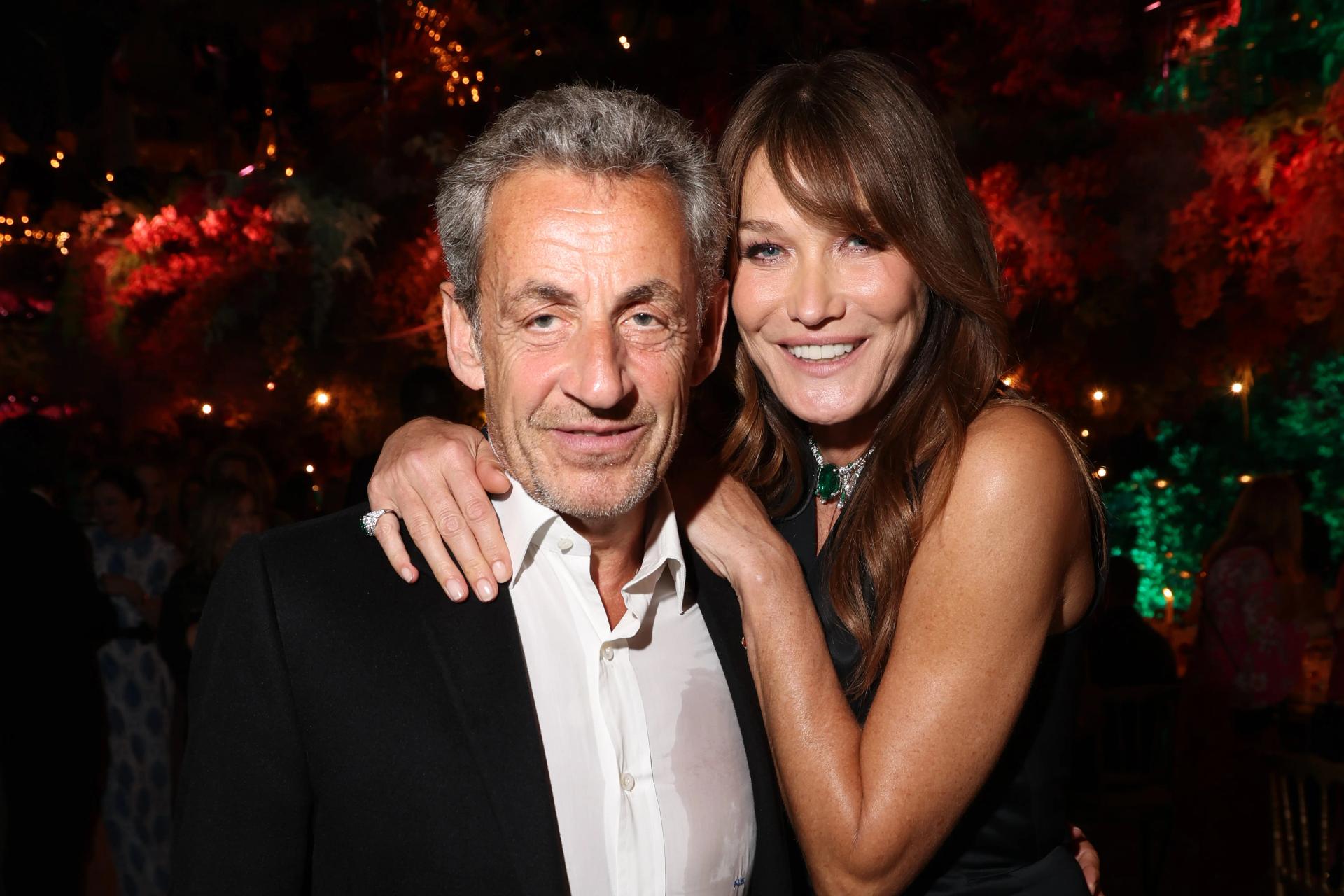
Nicolas Sarkozy and Carla Bruni's relationship timeline explored as former French president shares last kiss with his wife before entering prison
 ABC News - Breaking News
Former French President Sarkozy begins a 5-year prison sentence for campaign finance conspiracy
 The Indian Express
Former French President Sarkozy reaches jail to begin 5-year sentence for campaign finance conspiracy
 Türkiye Today
Sarkozy becomes 1st former EU leader jailed, declares innocence as he enters Paris prison
 Patrika News
Nicolas Sarkozy jailed for five years for criminal conspiracy in election funding case
 Terra
TerraSarkozy is arrested to serve a 5-year sentence for conspiracy
 CBN
CBNNicolas Sarkozy arrives at prison and becomes the first former French president to be detained
 theherald.co.za
Former French President Sarkozy starts 5-year prison sentence
 Firstpost
Inside the prison where former French president Sarkozy is serving time
 National Herald
Former French President Nicolas Sarkozy to begin five-year prison sentence
 The Times of India
France's former President Sarkozy will begin serving a 5-year prison sentence Tuesday
 elciudadano
Nicolas Sarkozy Begins Five-Year Prison Sentence for Conspiracy Involving Libyan Funds
 bernama
FORMER FRENCH PRESIDENT SARKOZY TO START PRISON TERM
 ETV Bharat
Nicolas Sarkozy Going From France's Presidential Palace To Paris Prison
 Al Jazeera
Former French president Nicolas Sarkozy starts five-year jail term
 Meio Norte
Former French President Nicolas Sarkozy surrenders and begins serving a five-year sentence
 Australian Broadcasting Corporation
Fall from grace as Sarkozy trades the Élysée Palace for a prison cell
 The Voice of Africa
France Locks Up a Former President: Nicolas Sarkozy’s Five Years and the Gaddafi Funding Fallout
 Agenda do Poder
First French president sentenced to prison, Sarkozy arrives at penitentiary to serve sentence
 BBC
BBCWatch: A 'big moment' for France as Sarkozy jailed
 BBC
BBCSarkozy enters jail over campaign financing - France's first ex-president behind bars
 The Economic Times
France’s Ex-President Nicolas Sarkozy begins 5-year jail term, to be kept in solitary confinement: here’s
 Expressão Brasiliense
Criminal conspiracy: Nicolas Sarkozy is arrested in France for receiving money from Libya to finance his campaign
 The Namibian -
French ex-president Sarkozy goes to jail for campaign finance conspiracy
 Times Kuwait
Former French President Nicolas Sarkozy begins five-year prison sentence
 The ICIR
Ex-French president Sarkozy begins 5-year jail term for corruption
 United News of Bangladesh
Former French President Sarkozy begins 5-year prison term for campaign finance conspiracy
 the-star.co.ke
Former French President Sarkozy heads to jail over campaign financing
 RNZ
RNZFrance's ex-president Sarkozy escorted to jail over Libya funding conviction
 fakti.bg
Sarkozy arrives at prison to serve five-year sentence ᐉ News from Fakti.bg - World
 Awaz The Voice
France's ex-president Sarkozy to serve 5-year jail sentence
 GreekReporter
Sarkozy Jailed: First French Ex-President Behind Bars Since WWII
 Folha de Curitiba
Sarkozy becomes the 1st former president of France to be imprisoned
 WHEC
WHECFormer French president Sarkozy begins a 5-year prison sentence for campaign finance conspiracy
 Gazeta do Paraná
Nicolas Sarkozy becomes the first former French president imprisoned since 1945
 CNN
CNNFormer French President Nicolas Sarkozy starts five-year prison sentence for campaign finance conspiracy
 Revista Oeste
Convicted of conspiracy, Nicolas Sarkozy is imprisoned in France
 Fato Amazônico
Nicolas Sarkozy becomes the first former French president imprisoned post-war
 O Globo
Sarkozy begins serving sentence for illegal campaign financing and becomes the first former French president imprisoned since World War II
 CBS News
Nicolas Sarkozy, former French president, imprisoned in Paris after conviction on campaign finance conspiracy
 Le Monde.fr
Sarkozy set to be jailed on Tuesday morning
 Expresso
Nicolas Sarkozy has already arrived at prison to serve a five-year sentence
 AP News
Former French President Sarkozy begins a 5-year prison sentence for campaign finance conspiracy
 dw
dwSarkozy enters prison after campaign fund conviction
 F5 News
France: former president Nicolas Sarkozy arrives at prison to serve sentence
 Sky News
Death threats for former French president Nicolas Sarkozy - less than a day into five-year prison sentence
 İlke Haber Ajansı
Former French President Nicolas Sarkozy jailed in Libya campaign funding scandal
 AL24 News
Former French President Sarkozy Jailed Over Campaign Financing
 Arise News
Nicolas Sarkozy Becomes First French Ex-President To Serve Jail Time Over Libya Campaign Scandal
 lbc.co.uk
'The truth will prevail': Former French president Nicholas Sarkozy arrives at prison in Paris to begin five year jail sentence
 Gazeta do Povo
Sarkozy arrives at Paris prison to serve sentence for illegal campaign financing
 The Guardian
Nicolas Sarkozy enters prison to begin five-year sentence over criminal conspiracy
 Única News
Former French president is arrested for scheme involving money from Libya
 RFI
RFIFrance's Sarkozy proclaims innocence as five-year jail term gets underway
 Mail Online
Moment prisoners mock 5ft 5in Nicolas Sarkozy's HEIGHT and yell threats throughout his 'frightening' first night in jail - as disgraced former president is given two bodyguards to protect him
 Bangladesh Sangbad Sangstha
France's ex-president Sarkozy to be jailed over Libya funding conviction
 Sahara Reporters
French Ex-President Nicolas Sarkozy Begins Five-Year Jail Over Libyan Campaign Funds
 NBC News
Former French president Sarkozy begins a 5-year prison sentence for campaign finance conspiracy
 CPG Click Petróleo e Gás
Former President Nicolas Sarkozy Arrested in France for Electoral Crime — Historic Arrest Rocks Europe
 Public Radio of Armenia
French ex-president Sarkozy begins jail sentence for campaign finance conspiracy
 Folha de S.Paulo
world
 bgnes
bgnesNicolas Sarkozy is now in jail
 Mathrubhumi English
Ex-French president Nicolas Sarkozy goes to jail; says 'an innocent man is being locked up'
 Metro.co.uk
Nicolas Sarkozy kisses model wife Carla Bruni goodbye before starting five-year prison stretch
 Anadolu Ajansı
Former President Nicolas Sarkozy officially in prison, marking 1st in France
 London Evening Standard
Former French president Nicolas Sarkozy arrives at prison to begin five-year sentence over Gaddafi money plan
 Mail Online
Moment prisoners mock 5ft 5in Nicolas Sarkozy's HEIGHT and yell threats throughout his 'frightening' first night in jail - as disgraced former president is given two bodyguards to protect him
 The Business Times
Defiant former French president Sarkozy begins five-year prison term
 eurotopics.net
Former French president Sarkozy heads to jail
 RBC-Ukraine
France jails former president Sarkozy for first time in history
 Piauí Hoje
Former French president Nicolas Sarkozy arrives at prison in Paris
 Times of Malta
'Welcome Sarkozy!' prisoners shout as former French president is jailed
 Metrópoles
Sarkozy: 1st former president of France to be imprisoned begins serving sentence
 Daily Sabah
Ex-French President Sarkozy leaves Paris home to begin prison term | Daily Sabah
 The Grand Junction Daily Sentinel
France's ex-president Sarkozy to be jailed over Libya funding conviction
 EL PAÍS English
Ex-French president Nicolas Sarkozy begins prison term
 5 EYEWITNESS NEWS
Former French president Sarkozy begins a 5-year prison sentence for campaign finance conspiracy
 France 24
France's ex-president Sarkozy says an 'innocent man is being locked up' as he enters prison
 Euronews
Nicolas Sarkozy is already in prison to serve a five-year sentence
 Daily Mail
Moment prisoners mock 5ft 5in Nicolas Sarkozy's HEIGHT and yell threats throughout his 'frightening' first night in jail - as disgraced former president is given two bodyguards to protect him
 eNCA
eNCAFrance's Sarkozy: from palace to prison
 Sky News
Ex-French president Nicolas Sarkozy enters prison for five-year sentence
 RNZ
RNZFrance's ex-president Sarkozy escorted to jail over Libya funding conviction
 Deadline
Former French President Nicolas Sarkozy Heads To Jail In Blaze Of Media Coverage
 The Independent
Nicolas Sarkozy shares last kiss with Carla Bruni as he leaves home to begin five-year prison sentence
 The European Conservative
Sarkozy: The First French Ex-President To Go to Jail
 The New Arab
Ex-French president Sarkozy to begin five-year prison term
 RTE.ie
Former French president Sarkozy begins jail sentence
 Hürriyet Daily News
France's ex-leader Sarkozy jailed, proclaiming his innocence
 A Crítica de Campo Grande - .
Sarkozy arrested in Paris to serve sentence for conspiracy linked to 2007 campaign
 The Independent
Nicolas Sarkozy under extra police guard after death threats in prison
 The New Times
Former French President Sarkozy goes to jail on Tuesday| The New Times
 chinadailyasia
Former French president Sarkozy arrives at prison to start 5-year sentence
 Rede 98
Carla Bruni reacts to Nicolas Sarkozy's arrest
 Daily Mail
Humbled Nicolas Sarkozy enters prison after emotional goodbye to distraught-looking Carla Bruni: Crowds look on as ex French president begins five-year term after final visit from his sons
 Новини Live
EU rolls out 19th sanctions package on Russia — key restrictions
 The Statesman
EU adopts 19th sanctions package targeting Russia’s key sectors
 The Moscow Times
EU Unveils Sweeping Sanctions Targeting Russian Energy, Banks and Crypto
 Daily Times
EU approves 19th sanctions package, imposes LNG import ban on Russia
 MLex
MLexGas, banks and crypto targeted in EU's 19th sanctions package against Russia
 Mirage News
EU Approves 19th Sanctions Package on Russia
 TRT World
EU passes fresh sanctions against Moscow, targeting Russian banks, entities in India, China
 UNITED24 Media
EU Approves 19th Sanctions Package on Russia—Here`s What We Know
 Egypt Oil & Gas
U.S, EU Tighten Pressure on Russia with Oil, LNG Sanctions
 upi
upiEU imposes sweeping sanctions targeting Russia's energy sector
 RBC-Ukraine
EU approves 19th sanctions package against Russia
 Букви
БуквиZelensky Applauds EU and US Sanctions, Calls for Global Pressure on Russia | Ukraine news - #Mezha
 Türkiye Today
EU adopts 19th sanctions package on Russia, targets banks and entities in China and India
 ANI News
"A clear signal from both sides of Atlantic": European Commission chief von der Leyen on new Russia sanctions
 theqldr.au
EU agrees on Russian sanctions targeting shadow fleet
 Newsweek
Ukraine War News: Russia Suffers New Sanctions Squeeze as EU Follows Trump
 kurdistan24.net
Trump Imposes Sweeping Sanctions on Russia’s Oil Giants to Pressure Putin on Ukraine War
 Liga.biz.
EU adopts 19th sanctions package against Russia: what’s included
 SSBCrack
EU Agrees on New Sanctions Against Russia Amid War in Ukraine
 The Straits Times
US slaps ‘tremendous sanctions’ on Russian oil for Ukraine war, says Putin wasn’t ‘honest’
 France 24
Zelensky hails Trump sanctions on Russia as 'strong' message
 Radio Free Europe/Radio Liberty
US, EU Ramp Up Sanctions On Key Russian Oil Firms As Trump Cancels Putin Summit
 myind.net
Indian refiners to reassess Russian oil trade following Trump administration’s secondary sanctions
 fakti.bg
Another twist: Trump imposes sanctions on Lukoil and Rosneft ᐉ News from Fakti.bg - World
 btimesonline
EU and U.S. Tighten Sanctions on Russian Oil and Gas in Coordinated Push to Pressure Putin
 SOFREP
Morning Brief: Conservative Outlets Join Pentagon Press Corps, EU Approves New Sanctions on Russia, North Korean Hackers Stole Billions
 CPG Click Petróleo e Gás
Total pressure: US and EU join forces and impose economic blockade on Russia
 PravdaReport
Art of the Trump Deal: Summit with Putin Delayed, Sanctions on Russia Tightened
 Times of India
Sanctions on Russian oil: Top buyer Reliance planning to 'recalibrate' its crude sourcing, says report
 belganewsagency.eu
Oil prices rise as US and EU tighten sanctions on Russian energy
 Khaama Press
EU Bans Russian LNG Imports in Landmark Sanctions Package
 TradingView
EU adopts new Russia sanctions package targeting LNG and shadow fleet
 Rigzone
EU Adopts New Sanctions on Russian Energy
 SUCH TV
Trump Tightens Pressure on Putin, Imposes Sanctions on Major Russian Oil Companies; EU Bans LNG
 The Guardian
Latest EU sanctions against Russia target liquefied natural gas
 El País
The EU tightens the noose on Russia with new sanctions following those imposed by the US