Ukraine War18 December, 20253 min read
EU Leaders Meet in Brussels to Decide to Use Frozen Russian Assets to Finance Ukraine
This article is an automated aggregation of coverage from news outlets. Our editorials offer in-depth analysis curated by the NewsCord team.
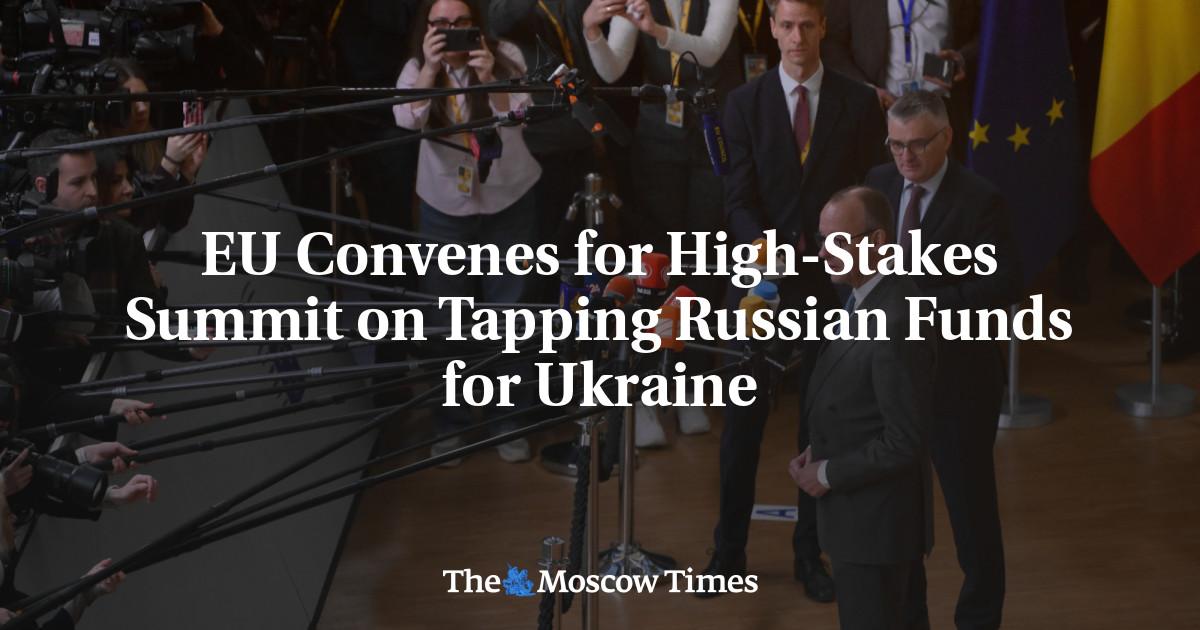
EU leaders convene in Brussels to decide using frozen Russian state assets to fund Ukraine Proposal centers on a loan backed by immobilized Russian sovereign assets to finance Ukraine
6 outlets told this the same way.
EU frozen assets decision
European leaders gathered in Brussels to decide whether to use roughly €210 billion in Russian central bank assets frozen in the EU to help plug a looming financing shortfall for Ukraine. The European Commission proposed using those assets to back a reparations-style loan of about €90 billion to Kyiv over two years. Repayment of the loan would be conditioned on Russia paying war reparations.
“European leaders meet in Brussels Thursday to decide whether to use roughly €210 billion in Russian central bank assets frozen in the EU to help plug a looming financing shortfall for Ukraine.”
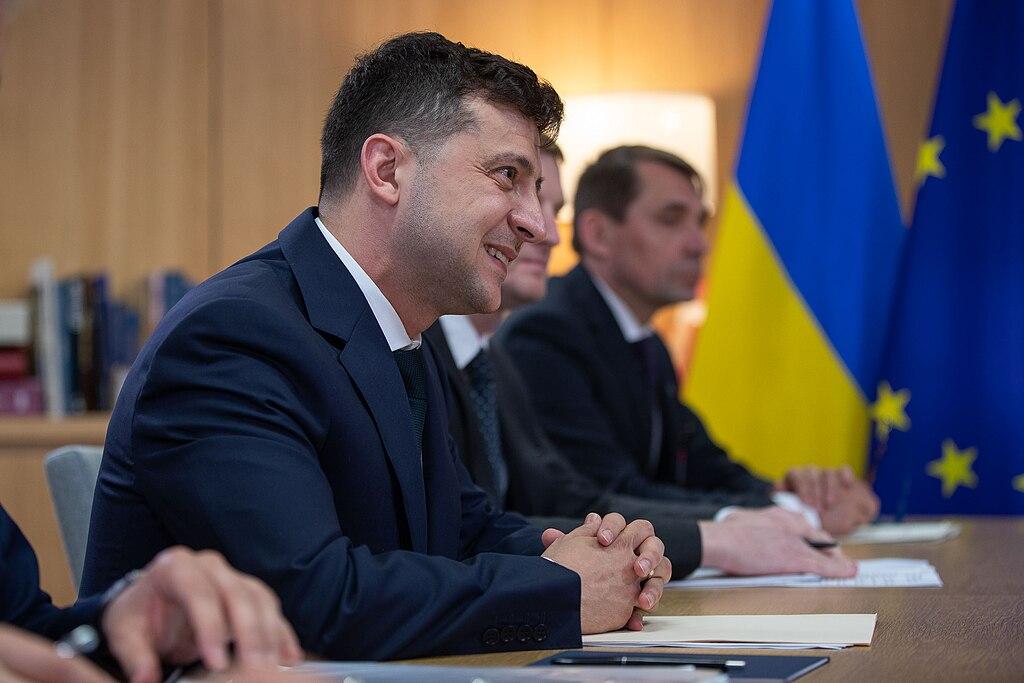
The proposal has been presented as a way to cover a gap the EU estimates at €135 billion over two years while keeping the assets frozen and using cash balances already converted into cash. Ukraine’s Volodymyr Zelensky is expected to join the talks. Leaders described the decision as pivotal for both Ukraine’s survival and the EU’s credibility as the war nears its fourth year.
EU dispute over frozen assets
Belgium holds most of the immobilised assets at Euroclear and has emerged as a key skeptic, warning of legal exposure and possible financial retaliation. Prime Minister Bart De Wever is pressing for unlimited guarantees and seeks to include assets held outside Belgium. Russia has already filed a lawsuit against Euroclear, and legal experts and some member states say the proposed guarantees may not fully shield Belgium from liabilities.
Forcing the European Commission’s plan by qualified majority is legally possible but politically risky. A fallback option—borrowing directly on markets to lend to Ukraine—would require unanimity and has been blocked by Hungary.
EU proposal to finance Ukraine
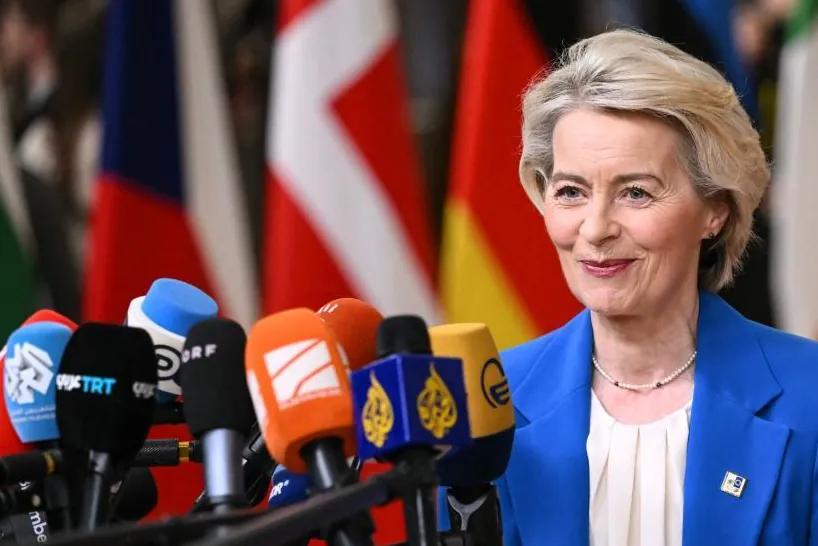
The Commission’s proposal would use immobilised sovereign assets — estimated at about €210 billion, with roughly €176 billion already converted into cash — to back loans to Kyiv of up to €90 billion over two years. The plan is framed by the Commission and some sources as a way to keep the funds frozen while deploying 'cash balances', with repayments contingent on Russia paying reparations. Approval would require a qualified majority of EU members, and alternative U.S. proposals for frozen Russian funds are said to compete with the EU plan amid waning U.S. support for Ukraine.
“The European Union is debating a controversial proposal to use frozen Russian central bank assets — immobilised in Europe after Russia’s 2022 invasion and estimated at about €210 billion ($246 billion), with roughly €176 billion already converted into cash — to provide large loans to Ukraine.”
EU debate on frozen funds
Political stakes are high: Zelenskiy has publicly urged unity and faster action, saying leaders’ choices will shape Europe’s security and influence whether Russia can prolong the conflict. Some EU leaders and experts warn repurposing sovereign reserves may deter foreign investors and weaken confidence in Europe as a safe place to hold reserves, while Russia has warned of consequences and filed lawsuits against custodians such as Euroclear. The split within the bloc—support for using the funds versus fear of legal and financial fallout—frames the summit as a contest between geopolitical urgency and legal prudence.
EU funding choices
EU leaders could try to force approval by qualified majority, which would be politically risky. They could instead pursue market borrowing only with unanimity, an option so far blocked by Hungary. Or they could pause the plan because Belgium is demanding broader guarantees, with each path carrying legal, financial and geopolitical trade-offs.
“Forcing the plan by qualified majority is possible but politically risky, and a fallback—borrowing directly on the markets to lend to Ukraine—would require unanimity and has been blocked by Hungary, though it could reappear if the asset plan stalls.”
How the summit resolves the split will shape Europe's financial posture toward the war and Ukraine's immediate funding prospects. Reporting shows clear ambiguity and disagreement within the bloc about appetite for the legal precedents and retaliation risks involved.