Ukraine War26 November, 20252 min read
EU Leaders Pledge Continued Full Support for Ukraine
This article is an automated aggregation of coverage from news outlets. Our editorials offer in-depth analysis curated by the NewsCord team.
EU leaders pledge to fully support Ukraine until a just, lasting peace is achieved Von der Leyen called the US-proposed peace agreement text a starting point for negotiations
5 outlets told this the same way.
EU support for Ukraine
EU leaders pledged continued and comprehensive support for Ukraine, combining diplomatic, financial and political measures intended to sustain Kyiv and push toward a fair, sustainable peace.
“She announced plans to use frozen Russian assets to help fund a €140 billion loan to Ukraine, stressing European taxpayers alone will not bear the cost; Belgium — which holds most frozen assets — is delaying approval of the legal framework.”
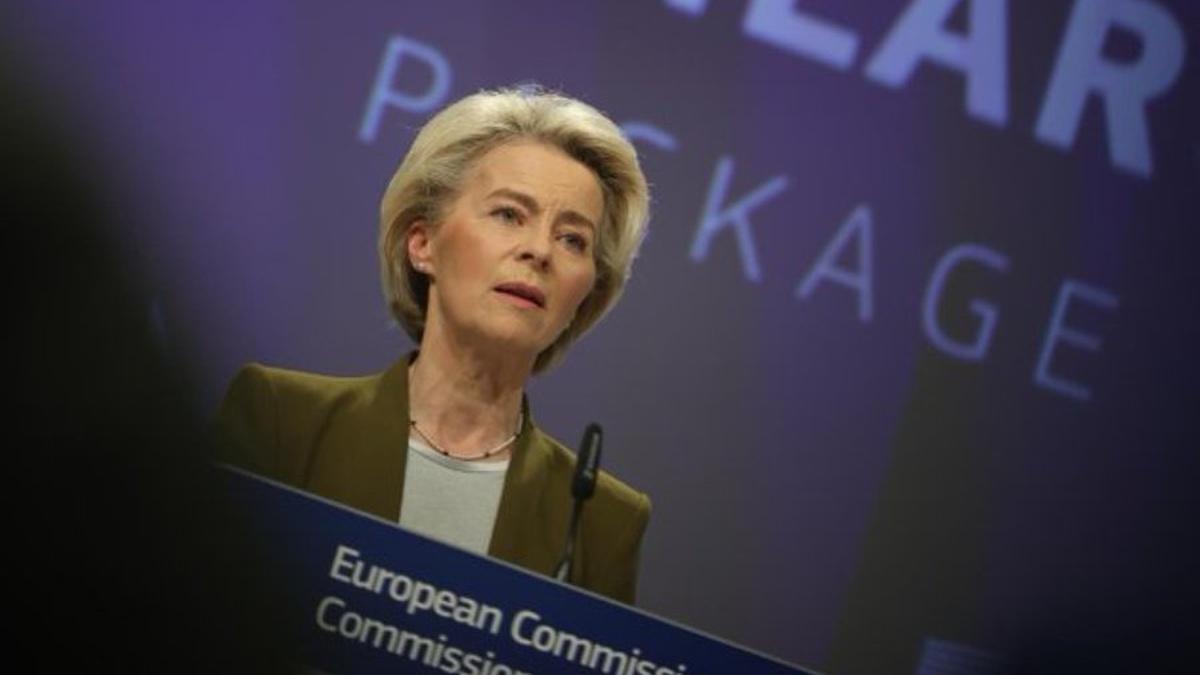
European Commission President Ursula von der Leyen announced plans to use frozen Russian assets to help fund a €140 billion loan to Ukraine.

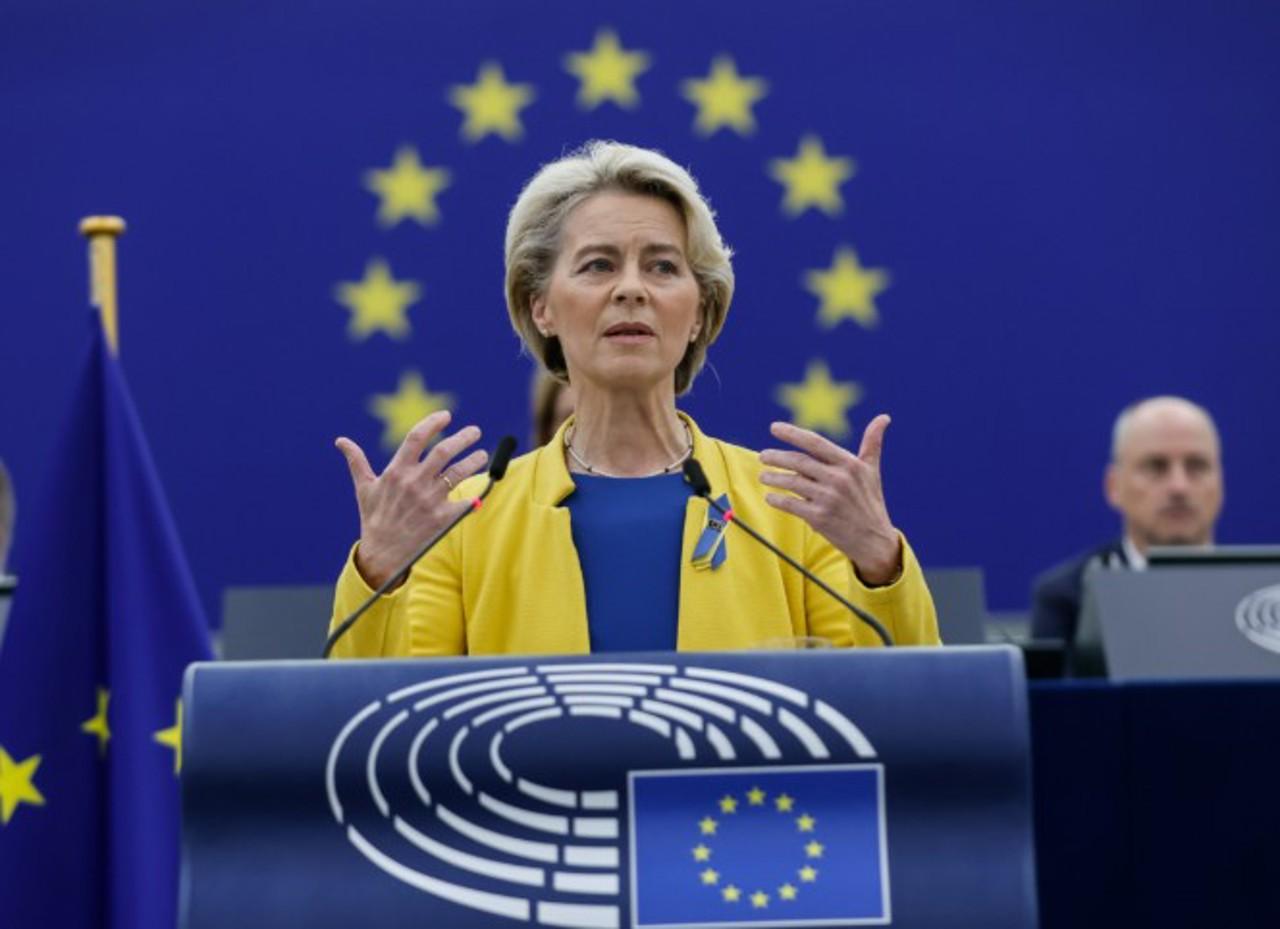
She said the EU and NATO would play major roles in implementing any future peace treaty and stressed that Ukraine must be central to negotiations, saying, "Nothing about Ukraine without Ukraine. Nothing about Europe without Europe."
Radio Moldova reported von der Leyen said the EU will step up pressure on Russia through sanctions and discussed securing funding, including possible use of Russian sovereign assets frozen in the EU and partner states.
The HRT snippet included here contains no article text and only timestamps and a copyright notice, so it does not add coverage details.
EU funding for Ukraine
Financial support anchored the leaders’ commitments: the Daily Times reports von der Leyen proposed using frozen Russian sovereign assets to back a €140 billion EU loan package for Ukraine. The report noted legal and member-state hurdles, and that Belgium, which holds most frozen assets, is delaying approval of the legal framework.
Radio Moldova echoes discussion of using frozen Russian sovereign assets across the EU and partner states to secure funding as attacks escalate and peace talks continue. The HRT snippet supplies no substantive reporting and therefore neither confirms nor disputes these financial details.
Sanctions and negotiation coverage
Radio Moldova highlights von der Leyen’s insistence on stepped-up sanctions until Moscow is prepared to pursue a credible path to peace and says current measures have already sharply cut the Kremlin’s financial resources. Daily Times echoes the view that Russia shows little willingness to stop the war, frames volatility as creating opportunities for progress, and stresses that the EU and NATO will be central to implementing any future treaty while quoting von der Leyen on Ukraine’s centrality in talks. HRT remains non-substantive and does not report on sanctions, negotiation roles, or von der Leyen’s language.
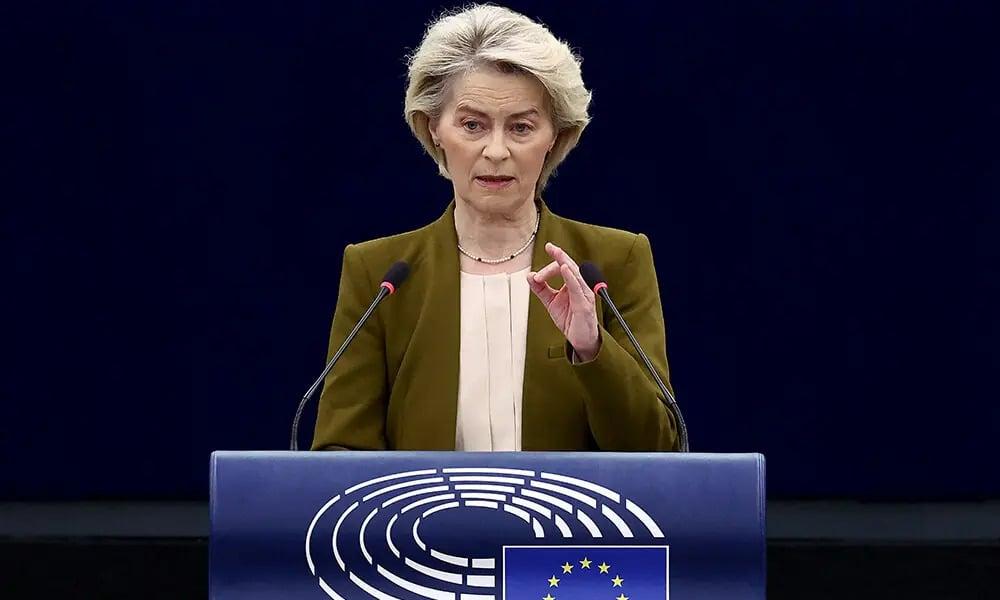
“European Commission President Ursula von der Leyen said the EU will step up pressure on Russia — through sanctions — until Moscow shows a genuine willingness to pursue a credible path to peace, arguing current measures have already sharply cut the Kremlin’s financial resources.”
EU commitments to Ukraine
Overall, the three sources show consistent high-level EU commitments to sustain Ukraine while revealing gaps in reporting and emphasis. Daily Times (Asian) furnishes detailed policy proposals, explicit loan numbers, and direct quotations from von der Leyen about negotiation principles. Radio Moldova (Other) foregrounds sanctions pressure and the use of frozen assets within a security and peace-talks context.
HRT (Other) does not provide substantive coverage in these snippets, which is a clear omission. Readers should note the absence of HRT content and that the two substantive sources align on core elements, including sanctions, frozen assets, and continued support, while differing in emphasis and level of detail.