Entertainment28 January, 20262 min read
EU Moves To Designate Iran's Islamic Revolutionary Guard Corps As A Terrorist Organization
This article is an automated aggregation of coverage from news outlets. Our editorials offer in-depth analysis curated by the NewsCord team.
France reversed course and will back an EU terrorist designation of Iran's IRGC EU foreign ministers are poised to approve the IRGC listing and related sanctions

18 outlets told this the same way.
Outlets did split on Chad Lowe and Kim Painter Mourn Daughter Fiona Hepler Lowe’s Death at 13 →
EU moves to list IRGC
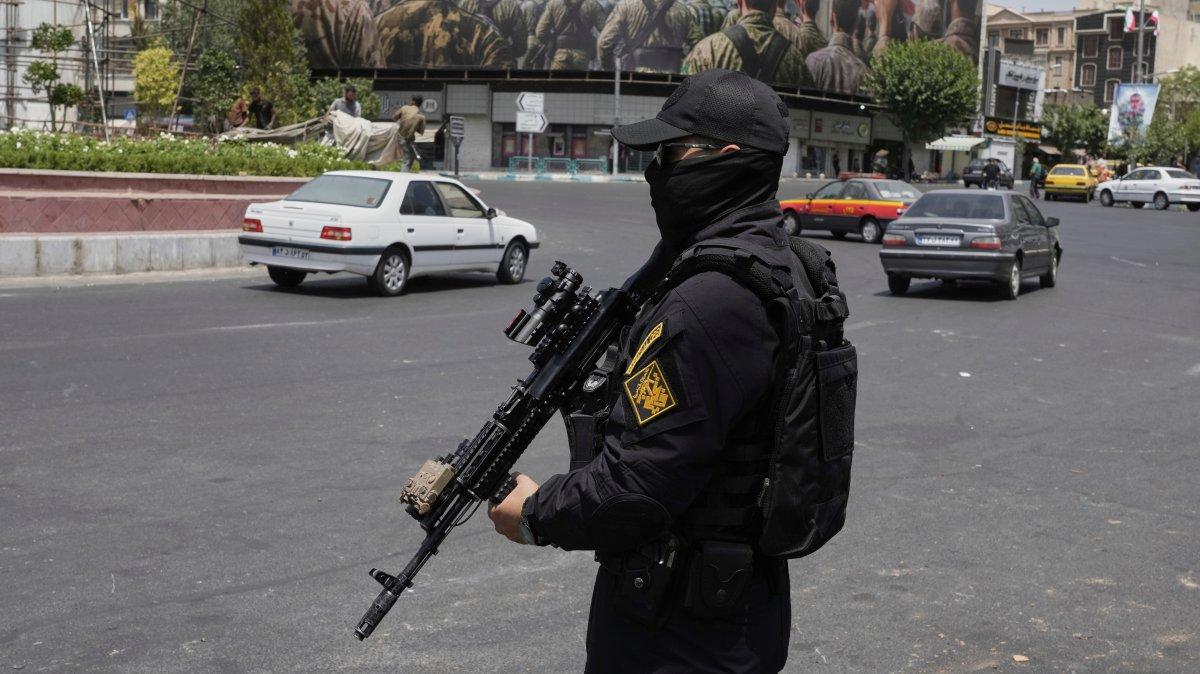
The European Union moved this week toward formally designating Iran's Islamic Revolutionary Guard Corps (IRGC) as a terrorist organization after an Italy-led proposal gained fresh backing from France and other capitals. EU foreign ministers are expected to give political approval in Brussels ahead of formal measures. French officials said the change was a response to the IRGC's role in repressing nationwide protests that began in late December.
“France said it will back an Italian-led push for the EU to list Iran’s Islamic Revolutionary Guard Corps (IRGC) as a terrorist organisation, citing the IRGC’s leading role in a deadly crackdown on nationwide protests that began on Dec. 28.”
The package under consideration includes travel bans, asset freezes and bans on providing funds or economic resources to named individuals and entities. Supporters said the step brings EU policy into line with the U.S., Canada and Australia, which have already listed the IRGC, while diplomats noted many practical restrictions overlap with existing sanctions.

IRGC role in crackdown
The driving cause cited across outlets is the IRGC's central role in a brutal nationwide crackdown on anti-government protests. Media reports and rights monitors provide differing casualty figures; rights groups such as HRANA report counts in the thousands while Iranian official tallies are lower, and several accounts note an extensive internet blackout that complicated verification. Some regional outlets also highlighted the IRGC's broader activities, including backing proxy groups and alleged transfers of drones and military material, as part of the rationale for broader action.
Consequences of EU listing
What the designation would do in practice remains debated. Multiple outlets describe concrete measures that would follow an EU listing, including asset freezes, visa bans and prohibitions on funding or providing economic resources.
“Much of the practical effect is symbolic since many IRGC members were already sanctioned, but the listing sends a unified political message from the 27-member bloc.”
These steps overlap with existing sanctions on many IRGC members. However, some coverage stresses that much of the immediate legal effect is limited because those individuals and entities were already targeted, making the move partly symbolic and chiefly political.
EU-Iran diplomatic fallout
The move has clear diplomatic implications: analysts and officials warned it could complicate attempts to restart nuclear talks, further strain EU-Iran relations and provoke retaliatory steps by Tehran. Tehran's initial diplomatic response included strong warnings and, according to Moneycontrol, the summoning of the Italian ambassador and threats of destructive consequences.
Supporters at the EU argue the designation is a necessary response to the IRGC's conduct. Detractors cautioned that it might jeopardize diplomatic channels and the safety of Europeans in Iran.
EU sanctions process
The measures moved quickly through EU channels once France, Italy and Germany aligned. Reporting indicated that foreign ministers were expected to give political approval in Brussels, while formal listing and enforcement steps still required further procedural sign-offs and, in some cases, unanimous or consolidated agreement among member states. Several outlets noted the EU also approved related targeted sanctions, including asset freezes and visa bans, on specific Iranian officials and bodies implicated in repression and on entities linked to Iran-Russia military cooperation, broadening the bloc's response beyond the IRGC listing itself.
“German Chancellor Friedrich Merz also backed the move, and with France, Italy and Germany in favour the designation is likely to gain political approval on Thursday, although a few EU states remain hesitant.”