EU Mulls U.S. Jet Fuel Imports as Iran Conflict Threatens European Supply
Key Takeaways
- Iran conflict threatens European jet fuel supply, prompting EU to consider imports and reserves.
- Industry warnings anticipate potential European jet fuel shortages within weeks.
- Travel costs and disruptions are expected to rise this summer in Europe.
EU weighs jet fuel options
The European Union is mulling jet fuel imports from the United States and new minimum reserve quotas as it eyes options amid a supply crunch due to the Iran conflict, with Transport Commissioner Apostolos Tzitzikostas insisting there is “no evidence of ‘actual shortages’ of jet fuel currently.”
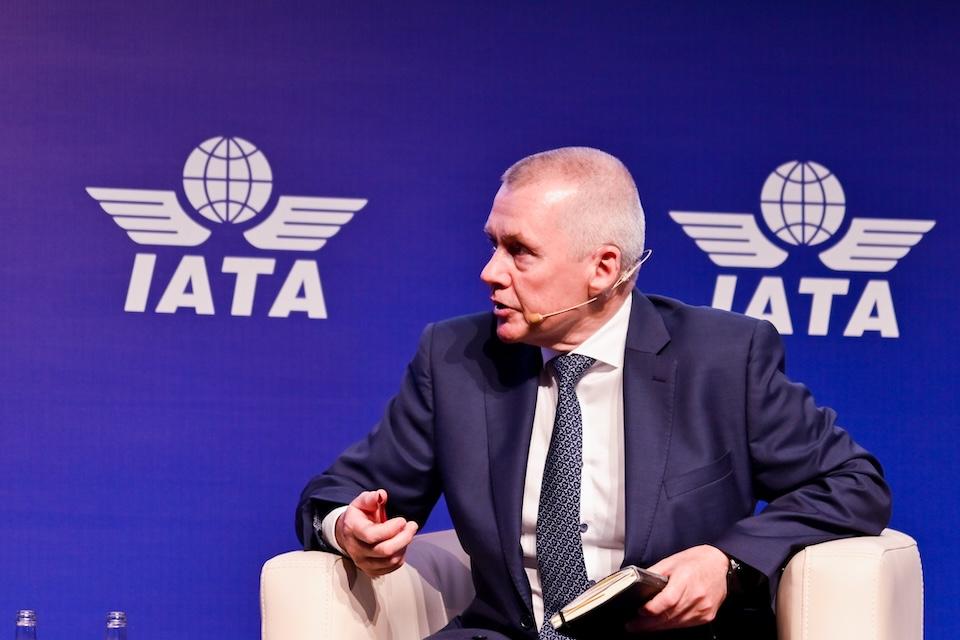
“IATA has joined a growing chorus of voices warning that European flights could start to be cancelled in the coming weeks due to a jet fuel shortage as a result of the Iran War”
Al Jazeera reports that Tzitzikostas said widespread flight cancellations are not expected over the summer, while also acknowledging that stocks were “under pressure” in parts of Europe.
The EU official’s bid to calm worries came as the Strait of Hormuz blockade continued, which is normally the passage for “one-fifth of the world’s oil and liquefied natural gas supplies,” according to Al Jazeera.
Al Jazeera also cites the International Energy Agency’s head, Fatih Birol, warning that Europe has “maybe six weeks or so [of] jet fuel left,” and that possible flight cancellations could come “soon” if oil supplies remain halted.
In parallel, U.S. News & World Report frames the same looming risk as a “jet fuel shortage” taking shape in Europe “as a direct result of the conflict in Iran,” and it links the concern to Birol’s Associated Press warning that Europe could run out of jet fuel in about “six weeks.”
CNBC adds that the International Energy Agency said Europe may have just six weeks’ worth of jet fuel left, and it describes how the Iran war and disruption to global oil supplies are triggering fears that jet fuel stocks may soon begin to dwindle in certain parts of the world.
Together, the reporting shows the EU is preparing both monitoring and contingency measures while officials argue shortages are not yet confirmed.
Strait of Hormuz pressure
Multiple reports tie Europe’s jet fuel worries directly to the Strait of Hormuz, describing it as the chokepoint whose closure has disrupted exports and shipping.
Al Jazeera says the continued blockade of the Strait of Hormuz has raised concerns about supply across the globe, and it notes that “Europe maintains emergency stocks” that “can be and will be released only if necessary.”

The same Al Jazeera report says the EU imports “30 to 40 percent of its jet fuel needs,” with roughly half coming from the Middle East, and it adds that the EU is following the situation closely while the market responds to pressure.
CNBC similarly describes how the ongoing Middle East conflict has led Iran and the U.S. to impose a blockade on Iranian ports in and around the Strait of Hormuz, and it quantifies the route’s importance by saying the waterway transits “roughly 20% of the global oil supply.”
CNBC also states that “About 25% to 30% of the world's jet fuel — which is refined from oil — also flows through the waterway,” and it quotes Stephen Rooney, lead economist at Tourism Economics, asking, “What if there isn't fuel to be bought at any price?”
The Independent adds that “Approximately 75% of Europe's jet fuel supply originates from the Middle East,” and it frames the blockage as the reason the crisis is acute.
Air Cargo News links the shortages to “the closure of the Strait of Hormuz as a result of the Iran War,” and it reiterates that “Around 20% of oil passes through the strait.”
Even the alternative energy-focused report Crude Oil Prices Today emphasizes that “The war in Iran and the closure of the Strait of Hormuz have severely constrained Europe’s jet fuel supply,” while also describing how the last Middle East imports have arrived and that “there is only one alternative to source jet fuel—from the United States.”
Across these accounts, the Strait of Hormuz closure is the common causal thread, but each outlet pairs it with different numbers and different levels of urgency.
Airlines cut schedules
As the jet fuel situation tightens, multiple outlets describe airlines responding with schedule cuts, cancellations, and fuel surcharges, while also emphasizing that some carriers say there is “no kerosene shortage.”
“Looming jet fuel shortages could throw a wrench into Americans' summer travel plans, especially for people flying overseas on international airlines”
CNBC reports that potential shortages and rising jet fuel costs have led some airlines to cut their flight schedules, and it warns that reductions could worsen as peak summer travel season approaches.
It quotes Katy Nastro of Going comparing the situation to “a timer,” saying, “It's almost like they're on a timer,” and “Once the timer is done” it’s “over.”
CNBC also provides specific examples of carriers adjusting capacity, including Cathay Pacific Airways cancelling about “2% of its scheduled passenger flights from May 16 to June 30, 2026,” and HK Express cutting about “6% starting May 11.”
It adds that KLM said it would cut “160 flights in Europe next month, amounting to less than 1% of its flight schedule,” and it reports that Lufthansa is removing some planes from its CityLine subsidiary service due to “significantly increased kerosene prices.”
Air Cargo News adds that Dutch carrier KLM has already started adjusting its flight schedules as rising fuel prices made certain flights “no longer financially viable to operate,” while KLM also “added that “there is no kerosene shortage.”
The Independent similarly reports KLM cancelling “160 flights in Europe in the coming month due to rising fuel costs,” and it describes Air France-KLM planning to increase long-haul ticket prices with cabin fares set to rise by “50 euros ($58) per round trip.”
The Independent also details AirAsia X cutting “10% of flights across the group” and imposing “a surcharge of about 20% on fuel in general,” while it describes Air New Zealand slashing flights through “May and June” and hiking fares.
CNN adds a broader context by saying airlines in Europe and Asia depend on imported jet fuel and are facing a potential shortage that raises the odds of flight cancellations and schedule cuts, even as it says the U.S. is “in no immediate danger.”
Taken together, the reporting shows a pattern of incremental capacity reductions and pricing changes rather than a single uniform shutdown, with each outlet naming different carriers and different figures.
Officials and industry warnings
Beyond airline actions, the reporting highlights a set of official and industry voices trying to manage expectations about shortages, cancellations, and policy responses.
Al Jazeera quotes Transport Commissioner Apostolos Tzitzikostas saying the EU is “following the situation closely, the market is responding to the pressure, and there were no signs of bottlenecks,” and it says airlines will be provided with guidance on passenger rights and public service obligations if jet fuel shortages occur.

Al Jazeera also says the European Commission is due to present a broad package of energy and transport measures on Wednesday, and it reports that Tzitzikostas said a new “fuel observatory” to monitor supplies will be established, starting with jet fuel.
The Independent quotes European Union Energy Commissioner Dan Jorgensen warning that Europe faces a challenging summer ahead, and it includes Jorgensen’s statement: “If needed we may redistribute and share jet fuel resources we have.”
Air Cargo News quotes IATA director general Willie Walsh saying, “The IEA’s assessment of potential jet fuel shortages is sobering,” and it adds that Walsh estimated that “by the end of May we could start to see some cancellations in Europe for lack of jet fuel.”
The same Air Cargo News report says A4E called on the EU to implement monitoring of jet fuel availability and the provision of legal clarity, and it describes ACI Europe warning that airports could start running out of jet fuel “in the coming three weeks unless the Strait of Hormuz opens soon.”
CNBC includes a different set of voices, with Stephen Rooney asking, “What if there isn't fuel to be bought at any price?” and also saying, “I don't think we're at that full crisis point yet,” while noting “Six weeks is a long time.”
CNN adds a forecasting voice by quoting Matt Smith, head US analyst at energy consulting firm Kpler, saying, “It’s going to take until at least July,” and that even that may be “optimistic.”
Across these accounts, the same core question—whether Europe is heading toward cancellations—gets answered with different time horizons and different policy tools, from monitoring platforms to redistribution and legal clarity.
Costs, capacity, and travel risk
The consequences described across the reports extend from airline finances to consumer travel disruptions, with multiple outlets tying the jet fuel shock to higher costs, capacity cuts, and the timing of summer travel.
“Accelerated refinery closures in the past decade and increased dependence on kerosene from the Middle East have exposed Europe’s energy supply vulnerability once again”
CNBC says jet fuel is among the largest operating costs for airlines and that companies have taken measures including “increasing air fares, raising baggage fees, adding fuel surcharges and cutting flight capacity,” and it notes that “Non-US airline capacity to and from US markets for the June quarter 2026 is expected to contract 2.3% year-over-year” in a Deutsche Bank research note.
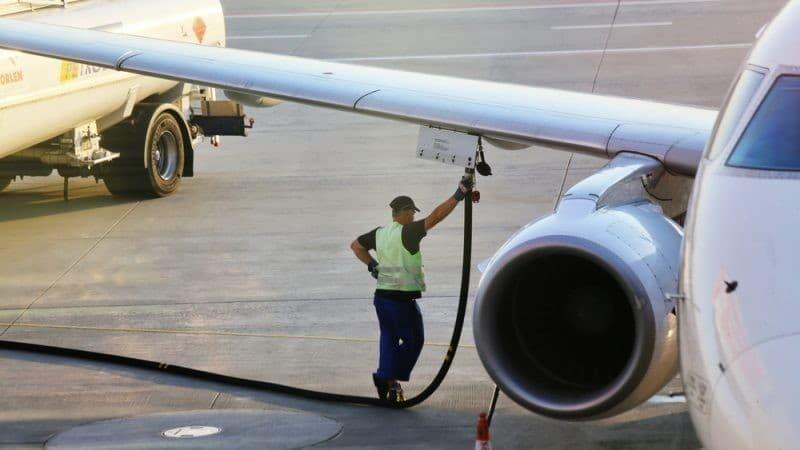
The Independent similarly describes fuel costs surging from “approximately $85 to $90 per barrel” to “$150 to $200 per barrel,” and it says fuel can constitute “up to a quarter of operating expenses,” driving airlines to raise fares and revise financial outlooks.
CNN adds that the global shortage is driving up fuel prices for US carriers and that they are cutting back on less profitable flights, which is “likely to drive up airfares for US travelers particularly in the summer months.”
CNN also provides a concrete operational example, saying United has cut its previously planned schedule by about “5% over the next six months,” and it warns that airlines and passengers likely won’t see relief until deep into summer.
The Washington Post frames the same risk as “serious jet fuel shortages and supply disruptions caused by the war in Iran” expected to “linger for months,” and it says the chaos could persist “regardless of whether the Strait of Hormuz’s chokepoint is finally opened.”
In the background of these travel impacts, CNBC quotes Katy Nastro again warning that “The longer this [conflict] lasts, the more capacity cuts are likely — and that's when things can get uglier,” and it also reports that President Donald Trump told CNBC he thinks the U.S. will “end up with a great deal” with Iran to bring an end to the nearly two-month-long war.
Air Cargo News adds that shortages could lead to rationing and slot relief, saying authorities need “well-communicated and well-coordinated plans in place in case rationing becomes necessary, including for slot relief.”
Finally, Crude Oil Prices Today emphasizes that jet fuel prices have spiked to “over $200 per barrel” and that the crisis could “ground flights and hike fares,” while also describing how Europe’s dependence on imported supply has grown as refineries closed or converted.
Taken together, the reporting portrays a chain from the Iran conflict and Strait of Hormuz closure to jet fuel price spikes, then to airline capacity and fare changes, with summer travel as the focal point.
More on Europe

Germany and Italy Block EU Push to Suspend Israel Association Agreement in Luxembourg
20 sources compared

European Court Of Justice Strikes Down Hungary’s 2021 Anti-LGBTQ Law For Breaching EU Values
21 sources compared

Germany and Italy Block EU Bid to Suspend EU-Israel Trade Pact in Luxembourg
21 sources compared

Rumen Radev’s Progressive Bulgaria Wins Bulgaria Snap Election, Securing Majority in 240-Seat Parliament
13 sources compared