Europe · 12 June, 2026 · 3 min read
EU Opens First Accession Negotiation Cluster With Ukraine And Moldova In Luxembourg
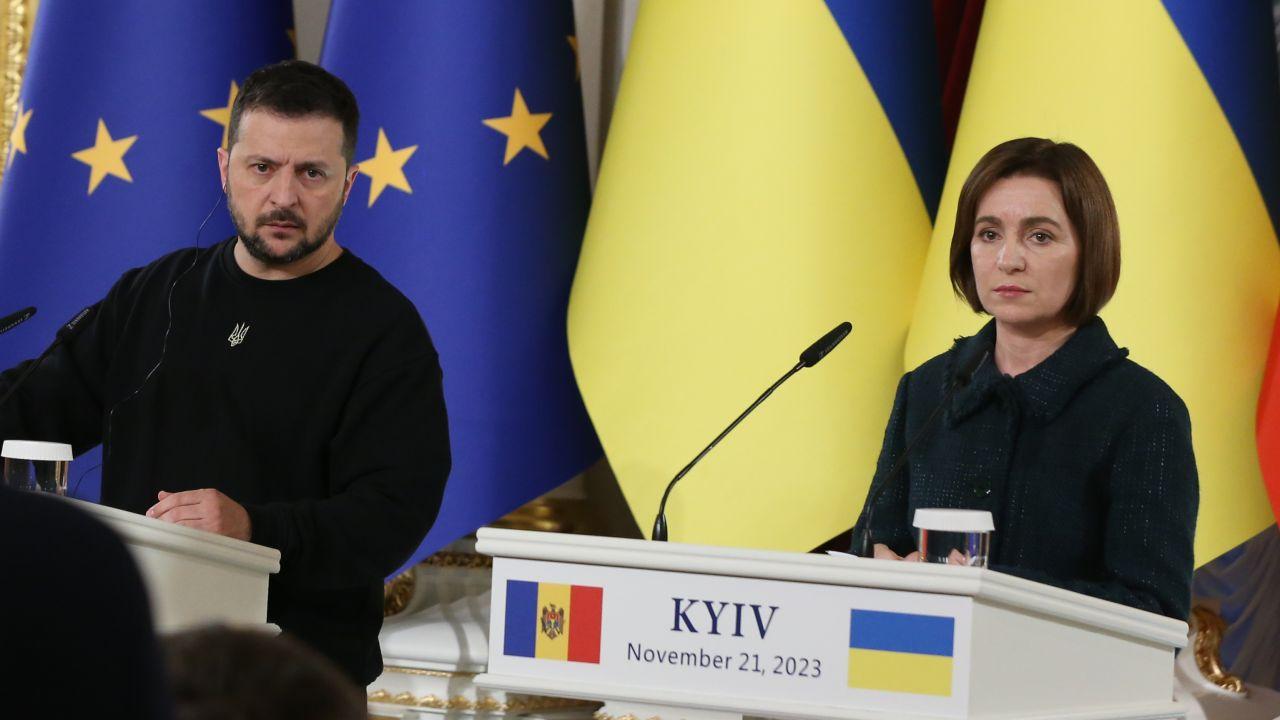
All 27 EU members unanimously opened the first accession cluster with Ukraine and Moldova. Luxembourg hosted an Intergovernmental Conference launching the Fundamentals cluster.
Negotiations’ main significance: symbolic vs technical reality-check.
7 of 8 outlets skipped it: transnistria constraint: reforms don’t apply there under a Cyprus-like scenario..
20outlets compared
Same story, two versions
tap a side to read it in full
Emphasis shifts from symbolism to implementation costs.
EU opens first cluster
The European Union formally agreed on June 15 to open the first accession negotiation cluster with Ukraine and Moldova, and the accession cluster officially opened in Luxembourg during an Intergovernmental Conference on June 15.
“Today, we're launching talks on the backbone of the accession process: including justice, freedom, and fundamental rights”
The European Commission said the talks would launch “on the backbone of the accession process: including justice, freedom, and fundamental rights,” and President Volodymyr Zelensky called the move a “clear signal that Europe's progress cannot be stopped.”

The opening came after Prime Minister Yuliia Svyrydenko said on June 4 that all EU member states had given the green light to open the first cluster following an agreement between Kyiv and Budapest.
The Kyiv Independent reported that substantive negotiations had been blocked because of former Hungarian Prime Minister Viktor Orban, and it said Orban’s defeat by Peter Magyar in Hungary’s 2026 parliamentary elections cleared the way for new negotiations.
The Guardian added that launching the first cluster opens the door to talks on other areas, including the single market, the environment, economic and social policy, as Ukraine and Moldova begin the first phase of membership negotiations in Luxembourg.
Voices, vetoes, and milestones
In Luxembourg, European Commissioner for Enlargement Marta Kos said today is “a big day, a big Monday for enlargement,” and she said Cluster 1 would be open with Ukraine and Moldova “because both countries have delivered results.”
The Kyiv Independent reported that Zelensky urged EU officials not to delay Ukraine's accession process, saying, “We are ready to open all clusters,” and it quoted him arguing that Ukraine has earned the right to move faster.

The Guardian described how the election of a new Hungarian government in April paved the way for EU member states to agree unanimously last Friday to open “the first cluster,” and it said the cluster covers rule of law and democracy.
In a joint statement, President of the European Council Antonio Costa and President of the European Commission Ursula von der Leyen said the decision to open negotiations with Ukraine and Moldova was “a recognition of the determination, courage and hard work both countries have demonstrated in pursuing reforms despite facing enormous challenges”.
The Guardian also quoted Heather Grabbe saying the opening of cluster one “really mattered,” describing it as “the start of the process of getting a deal for membership.”
What’s at stake next
The EU’s first cluster opening is presented as a milestone that will determine the overall pace of negotiations, with the Kyiv Post saying the negotiations on the “Fundamentals” cluster are the first to be opened and the last to be closed.
“the negotiations on the “Fundamentals” cluster are the first to be opened and the last to be closed”
The Kyiv Post said Zelensky framed the opening as political and moral support, quoting him: “What is happening today” is “a clear sign that Europe’s progress cannot be stopped,” while he also said, “We are ready for the opening of all clusters. We have done our work.”
Al Jazeera reported that Monday’s meeting opened five key chapters grouped as “clusters” underpinning the rule of law, fundamental rights, and the functioning of democratic institutions, and it said the cluster is important for EU countries that worry about Ukraine’s ability and willingness to fight corruption.
Al Jazeera also quoted EU foreign policy chief Kaja Kallas calling the start of the process a “major milestone,” and it said “Both countries have delivered on difficult reforms under extraordinary circumstances.”
RFI said Moldova’s accession file presents a major difficulty because Transnistria has escaped Chisinau’s control for more than thirty years, and it described a “Cyprus scenario” where European law would apply only in the part controlled by the recognized government.