Europe21 November, 20252 min read
EU Sues Slovakia After Robert Fico's Government Amends Constitution to Override EU Law, Curtail LGBTQ Rights
This article is an automated aggregation of coverage from news outlets. Our editorials offer in-depth analysis curated by the NewsCord team.
European Commission opened infringement proceedings against Slovakia Slovakia's constitutional amendment asserts national law takes precedence over EU law
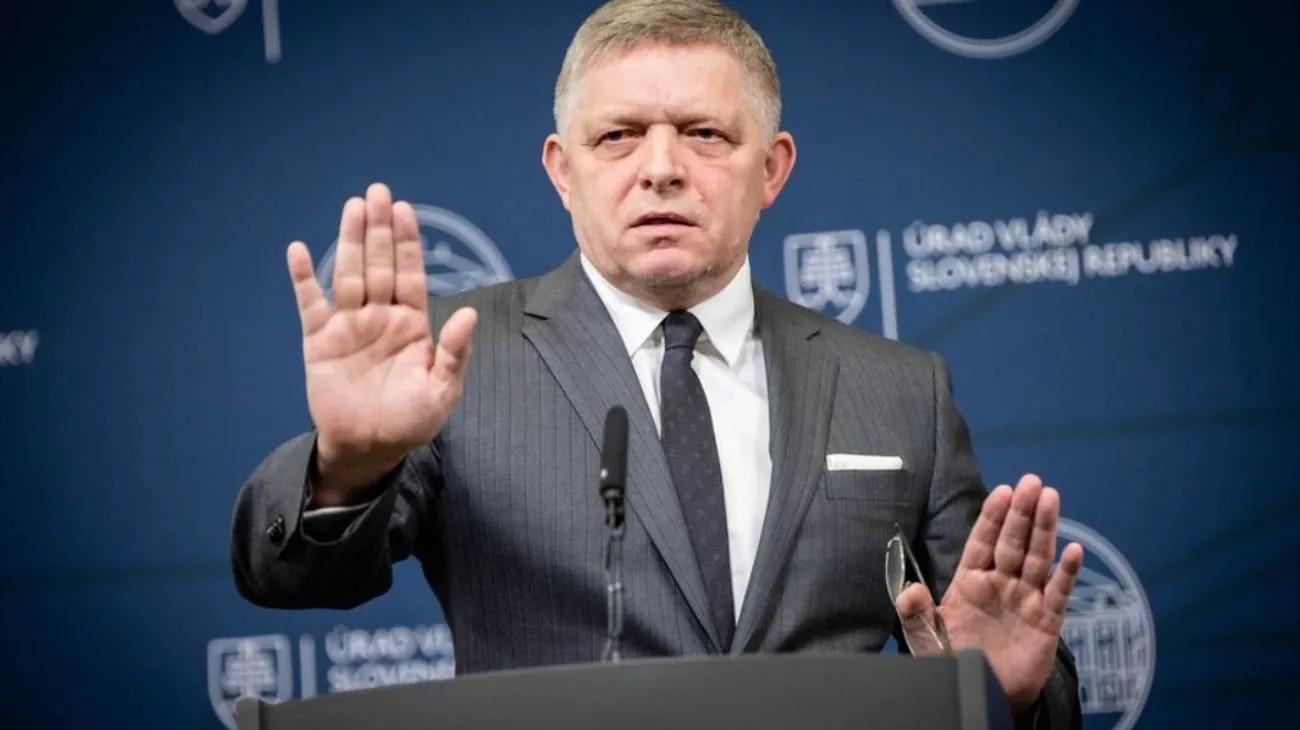
5 outlets told this the same way.
Outlets did split on Azerbaijan Bars Hijab in Schools, Sparking Protests in Baku and Arrests →
EU legal action against Slovakia
The European Commission has launched legal action against Slovakia after Bratislava's September constitutional amendment claimed national law should take precedence over EU rules on issues described as 'national identity' or 'cultural and ethical questions'. Brussels has sent a formal notification, or letter of notice, which is the first step in an infringement procedure that can lead to referral to the EU Court of Justice.
“The European Commission has opened legal proceedings against Slovakia after Bratislava amended its constitution in September to declare national law superior to EU rules on matters of ‘national identity.’”
Slovakia has two months to respond to the letter of notice. The Commission says the amendment breaches the EU principle of the primacy of EU law and warned of possible further consequences if non-compliance continues.

Gender and family amendment
The amendment targets gender and family law, restricting recognition to two sexes, limiting legal gender changes, tightening adoption rules (allowing adoptions mainly for married couples in most cases), and enshrining constitutional protection for cultural and ethical positions in areas like education.
Slovak officials described the change as a defensive measure against what the government called progressive social changes.

EU legal response
Brussels framed its response in legal terms, with the European Commission saying the amendment breaches the EU's fundamental principle of the primacy of EU law. The Commission has opened an infringement procedure and sent an official notification, a formal letter of notice, as the first step.
“The Commission says the amendment breaches the fundamental principle of the supremacy of EU law and warned that continued non‑compliance could lead to financial sanctions and would undermine the Union’s legal unity and rule‑of‑law standards.”
It warned that continued non-compliance could lead to referral to the EU Court of Justice and possibly financial penalties. The Commission also stressed that EU membership obliges states to respect EU law.
Slovakia reform and reactions
Prime Minister Robert Fico and his government defended the amendment as reflecting public sentiment and sovereignty. Headlines varied in their characterization of Fico. Українські Національні Новини labeled his administration "conservative" and quoted Fico calling it "progressive nonsense."
thestar.my called him a "pro-Russian populist" and quoted him describing the move as a "dam against progressivism." 24 News HD described him as a "nationalist" who returned to power in 2023 and has clashed with the EU. Slovakia’s government said the reform strengthens sovereignty and will not be changed, according to reporting.
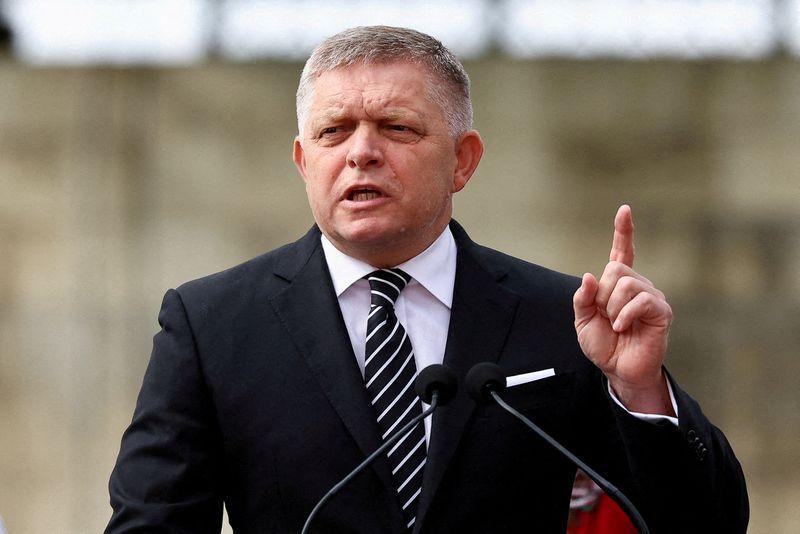
Slovakia political tensions
The move has intensified domestic protests and strained relations between Bratislava and EU partners. Reports link the constitutional change to larger frictions over issues such as Russia, climate policy and social questions.
“The dispute has heightened tensions between Bratislava and Brussels and has coincided with domestic protests and other confrontations involving Fico’s administration.”
European rights bodies have warned about the implications for LGBTQ rights. Sources agree the dispute has heightened tensions and coincides with protests and other confrontations involving Fico's administration.