EU Tests Mutual Defense Clause for Hybrid Attacks When Article 5 Is Unavailable
Key Takeaways
- EU discussions focus on operationalizing the mutual defense clause for hybrid threats.
- Article 42.7 activation requires clear procedures amid uncertain NATO backing.
- Debate centers on applying defense clause during hybrid warfare amid Ukraine war.
Europe’s defense debate
Europe’s defense debate is increasingly centered on how the European Union can respond when NATO’s Article 5 is not available or not relied upon, with multiple outlets tying the discussion to the EU’s mutual defense clause in the Lisbon Treaty.
“Representatives of European Union member states conducted training on activating the mutual defence clause, as part of preparations for a potential wide-scale hybrid attack, at a time when detachment from the American umbrella is growing and European concerns about widening technical and military gaps are increasing, threatening the security of the bloc's member states”
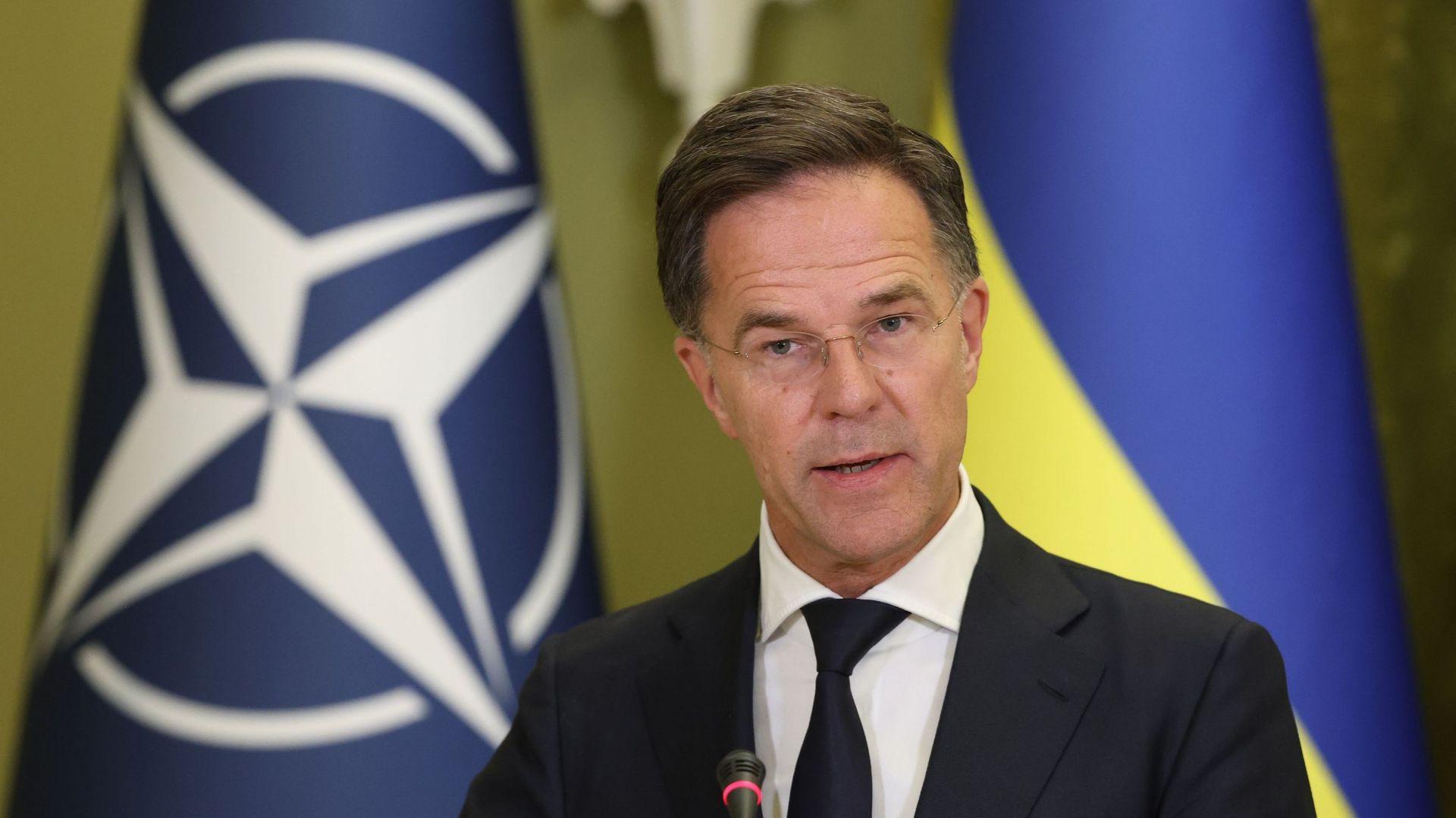
Euronews reports that the EU’s mutual defense clause should tackle threats “below Article 5,” quoting General Seán Clancy saying his staff were ready to help redefine what European mutual defense means and adding that the commitment in Article 42.7 “has teeth only if it is founded on trust and capacity.”

In the same thread, Euronews frames the clause as weaker in practice because “the alliance's members have thus far relied on the deterrence provided by the United States,” while also noting that the EU clause has been activated only once, by France after the November 2015 terrorist attacks in Paris.
Al-Jazeera Net describes European Union member states conducting training on activating the mutual defence clause as part of preparations for a potential wide-scale hybrid attack, with diplomats citing a Monday exercise involving ambassadors and experts.
The Al-Jazeera Net account says the training used “a fictional yet realistic scenario” to test response and coordination capabilities, while also describing hybrid warfare as a space where “everything appears gray, there is no audible gunfire nor a final peace agreement.”
Together, these reports show a Europe that is not only discussing legal obligations, but also testing coordination for scenarios that blend military means with “economic, political, and media tools.”
Operationalizing Article 42.7
Several reports converge on the argument that Article 42.7 exists as a legal framework but needs procedures, coordination, and practical playbooks to become operational, especially for hybrid threats and for cases where alliance response cannot be taken for granted.
Euronews quotes General Seán Clancy explaining that NATO is “above all, a military alliance, which is not the case for the EU,” and then asks how the EU would make its mutual defense operational “under Article 5,” while also describing complementarity as the emphasis.
In parallel, eKathimerini quotes European Commissioner for Defense and Space Andrius Kubilius arguing that Article 42.7 “needs to be put into effect, with clear procedures for activation and coordination,” and it adds that Europe must also prepare for the US defense industry’s shift toward replenishing American military stockpiles.
eKathimerini also says Kubilius does not rule out Turkey’s participation in the security architecture, but insists any involvement must be based on “established eligibility criteria,” and it reports that he urges Greece to move forward with joint European defense projects.
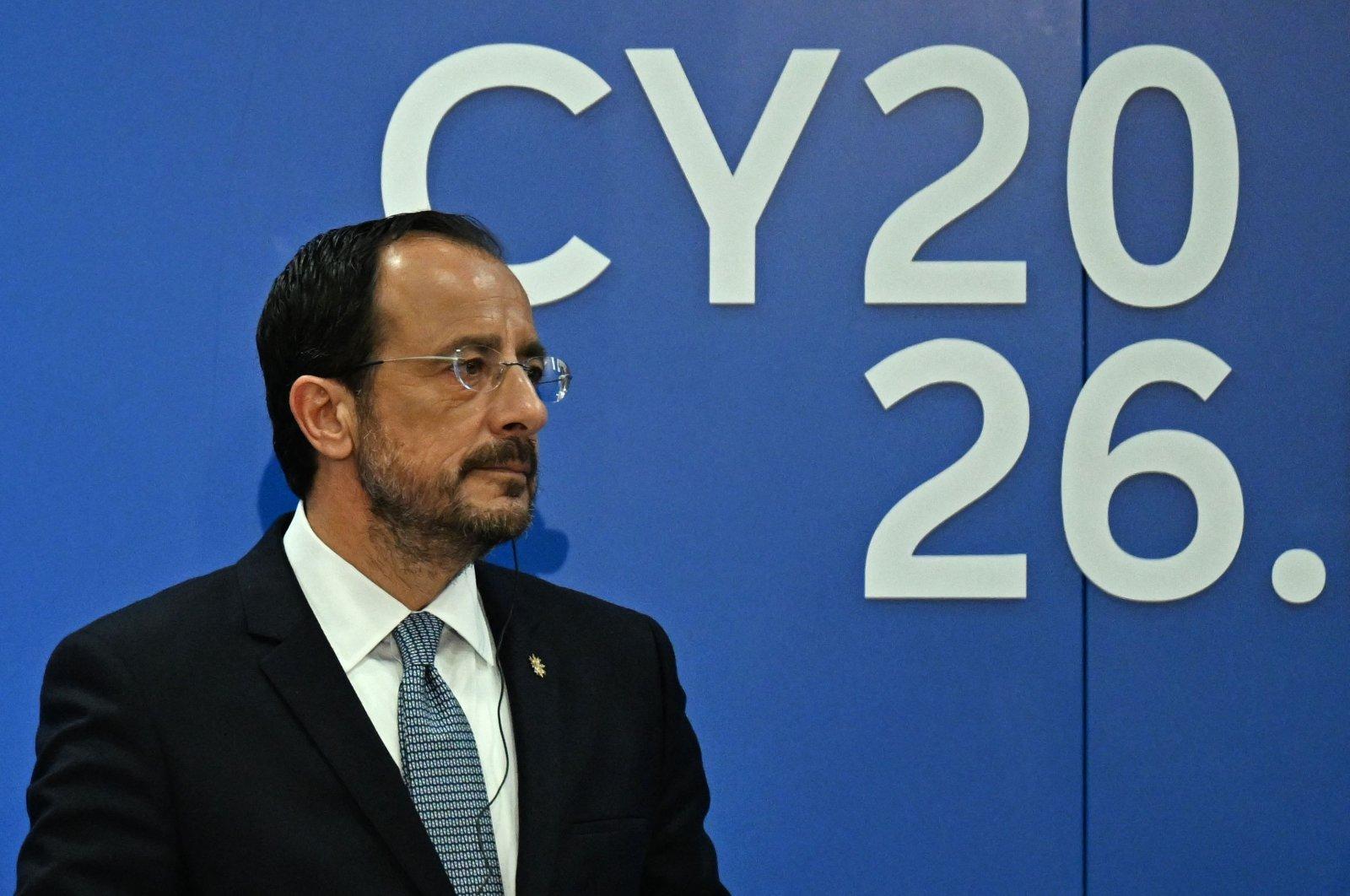
Daily Sabah places the same clause at the center of debates in Cyprus, describing how the Greek Cypriot administration wants to operationalize Article 42.7 and quoting Greek Cypriot leader Nikos Christodoulides saying the European Commission would prepare a “blueprint” detailing how the clause should function in the event of an attack.
Daily Sabah also stresses that Article 42.7 obliges member states to aid a country under armed attack “by all the means in their power,” while noting that unlike NATO’s Article 5, it leaves the nature of that assistance undefined and the process largely in national hands.
Al-Jazeera Net adds that the clause is framed as stronger than Article 5 because it obliges aid “by all means at their disposal,” while also emphasizing that commitments must be consistent with NATO obligations.
Across these accounts, the operationalization theme is not abstract: it is tied to concrete planning tools like “table exercises” and to the need for coordination mechanisms that can function under uncertainty.
More on Europe

Sweden Launches New Foreign Intelligence Service UND After Ukraine War Security Shift
10 sources compared

Trump Orders Withdrawal of 5,000 Troops From Germany, NATO Seeks Clarification
16 sources compared

Driver Arrested After Car Plows Into Pedestrians In Leipzig, Germany, Killing Two
13 sources compared

Archaeologists Recover More Than 3,150 Viking Silver Coins Near Rena in Østerdalen
12 sources compared