
Trump Orders Withdrawal of 5,000 Troops From Germany, NATO Seeks Clarification
Key Takeaways
- Pentagon to withdraw about 5,000 U.S. troops from Germany within six to twelve months.
- NATO seeks clarification on the withdrawal as European leaders reassess defense commitments.
- Move deepens transatlantic rift amid Iran war, prompting Europe to bolster autonomous security.
Troops and missiles
The United States announced it would withdraw five thousand troops from Germany, a move that NATO Secretary-General Mark Rutte said Europeans had “gotten the message” about, while NATO and German officials sought clarification on the scope and timing.
“Il Pentagono annuncia la "revisione della presenza" in Europa: i militari lasceranno il territorio tedesco nei prossimi 6-12 mesi Gli Stati Uniti ritirano circa 5”
The Pentagon said the decision followed a “thorough review of the Department’s force posture in Europe” and would be completed over the next six to twelve months, according to Pentagon spokesman Sean Parnell.
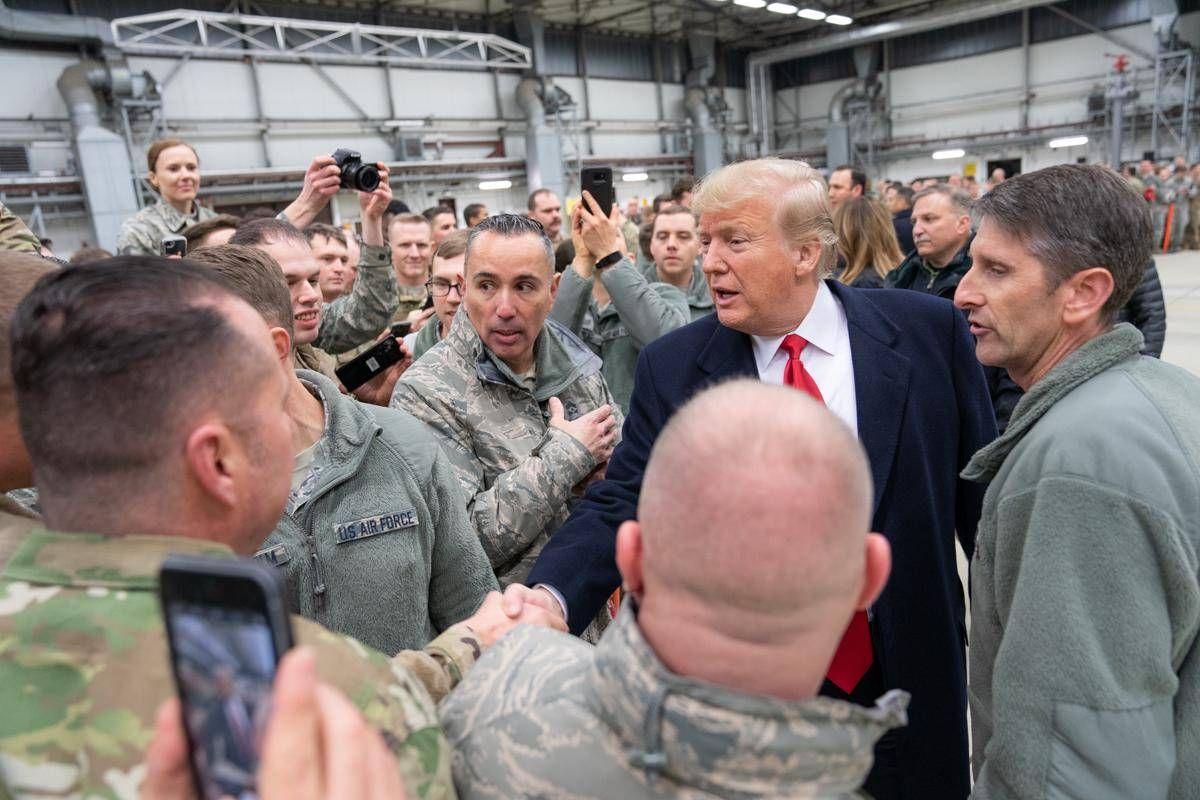
In the same reporting, Trump told reporters “we’re going to cut way down. And we’re cutting a lot further than 5,000,” raising the possibility of additional reductions beyond the initial figure.
Multiple outlets tied the decision to the U.S. war on Iran and a dispute with German Chancellor Friedrich Merz, including Merz’s statement that Iran was “humiliating” Washington at the negotiating table and Trump’s response that Merz “doesn’t know what he’s talking about.”
The Council on Foreign Relations also flagged a separate, longer-term concern: the possible cancellation of Tomahawk cruise missiles planned to be stationed in Germany in 2027, which it said was agreed by Olaf Scholz and Joe Biden in 2024.
The same analysis warned that U.S. stockpile depletion due to the Iran war could delay arms deliveries to Europe, including National Advanced Surface-to-Air Missile System (NASAMS) and High Mobility Artillery Rocket System (HIMARS) munitions, and could affect Patriot air defense interceptor missiles.
In parallel, the BBC reported that Germany’s defense minister Boris Pistorius said the withdrawal was “foreseeable,” while NATO spokeswoman Allison Hart said the alliance was “working with the US to understand the details of their decision on force posture in Germany.”
Why it happened
Across the reporting, the troop withdrawal was placed in the context of escalating disputes between Washington and European governments over the U.S.-Israel war on Iran and European support for U.S. operations in the Strait of Hormuz.
Al Jazeera reported that Trump had grown increasingly frustrated with NATO allies, accusing them of not doing enough to support the US-Israel war on Iran, and it linked the timing to German Chancellor Friedrich Merz’s comments that Iran was humiliating the US during negotiations aimed at ending the war.

NBC News similarly described the decision as coming amid an escalating dispute with Merz over the U.S-Israeli war on Iran, and it quoted Trump’s broader framing that he was cutting “a lot further than 5,000.”
The Times of Israel said the Pentagon’s announcement followed a spat between Trump and Merz, with Merz saying on Monday Iran was “humiliating” Washington at the negotiating table and Trump firing back that Merz “doesn’t know what he’s talking about.”
Time Magazine added that the move came amid long-simmering tensions over the war in Iran, noting that when Europe declined to send warships to help open the Strait of Hormuz, Trump called NATO “useless” and “cowards.”
The Council on Foreign Relations went further, saying the decision “seems to be driven less by strategic calculations” and more by a desire to punish Europeans for their criticism of and limited support for the Iran war, while also warning that depleted U.S. stockpiles due to the Iran war could have lasting consequences for European security.
The BBC and PBS/AP both emphasized the Pentagon’s stated rationale of a “thorough review” and “theater requirements and conditions on the ground,” with PBS/AP quoting Sean Parnell’s statement that the decision followed that review.
Reactions and quotes
European and NATO leaders responded to the announcement with a mix of reassurance, emphasis on burden-sharing, and calls for clarification.
“The threat by Donald Trump to strike the 'bad' NATO members that did not help him in the war in Iran expands from Germany to Italy and Spain”
NATO Secretary-General Mark Rutte told reporters before a European Political Community meeting in Armenia that “European leaders have gotten the message. They heard the message loud and clear,” and he added that “Europeans are stepping up, a bigger role for Europe and a stronger NATO.”
NATO spokesperson Allison Hart said officials in the 32-nation alliance “are working with the US to understand the details of their decision on force posture in Germany,” while the BBC reported that Germany’s defense minister Boris Pistorius said the withdrawal was “foreseeable” and stressed that “the presence of American soldiers in Europe, and particularly in Germany, is in our interest and in the interest of the US”.
The European Union’s foreign policy chief Kaja Kallas called the announcement’s timing a “surprise,” and she said “I think it shows that we have to really strengthen the European pillar in NATO.”
In parallel, the Council on Foreign Relations described U.S. NATO Permanent Representative Matthew Whitaker as saying any adjustments would be pursued in coordination with U.S. allies to ensure that there were no “strategic gaps” that could leave Europe more vulnerable.
At the same time, the BBC and PBS/AP both reported pushback from U.S. lawmakers and concerns about deterrence, with PBS/AP quoting Senator Jack Reed saying the move “suggests American commitments to our allies are dependent on the president's mood.”
The BBC also included a warning from Polish Prime Minister Donald Tusk that “The greatest threat to the transatlantic community are not its external enemies, but the ongoing disintegration of our alliance,” and it quoted Republican committee leaders Roger Wicker and Mike Rogers saying they were “very concerned” by the decision to withdraw a US brigade from Germany.
Different frames
The same troop withdrawal was framed differently across outlets, with some emphasizing coordination and European strengthening, while others highlighted unilateralism, legal constraints, and the possibility of broader cuts.
NBC News described the decision as “a fresh sign that Europe must take care of its own security,” and it quoted Norwegian Prime Minister Jonas Gahr Støre saying, “I wouldn’t exaggerate that because I think we are expecting that Europe is taking more charge of its own security.”
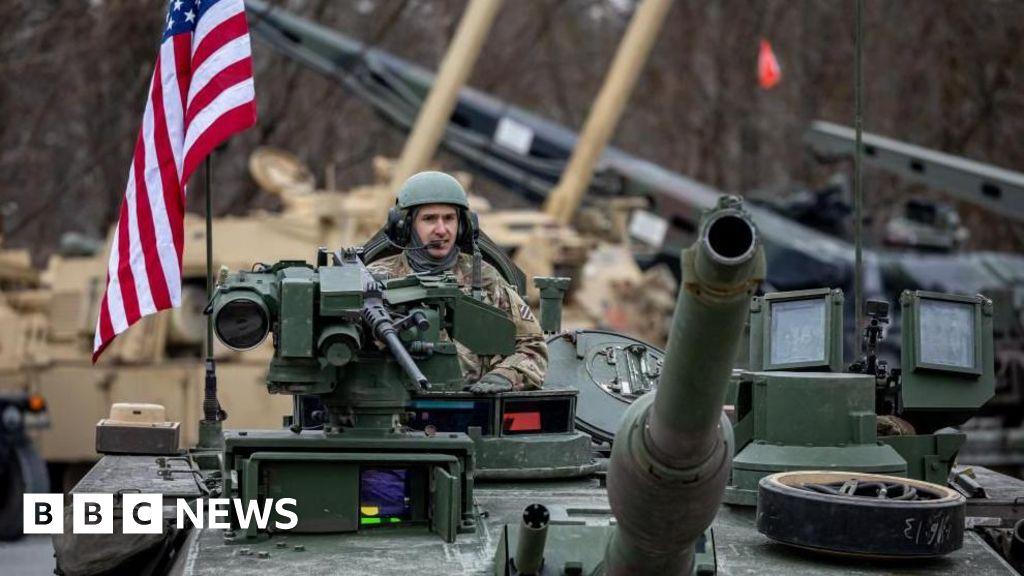
In contrast, The Guardian’s reporting suggested the announcement was unilateral, writing that the remarks from NATO spokeswoman Allison Hart “suggested the announcement of the withdrawal was a unilateral act, with little or no coordination with Washington’s European allies.”
The Guardian also emphasized the legal and political constraints, noting that further withdrawals could trigger a conflict with U.S. Congress because last year Congress stipulated troop strength in Europe must not fall below 76,000.
The Council on Foreign Relations likewise stressed the deterrence implications, warning that troop withdrawals could weaken the credibility of U.S. deterrence in Europe and that the possible cancellation of Tomahawk cruise missiles in 2027 would be “of particular concern.”
Time Magazine, meanwhile, focused on the possibility that the drawdown “may just be the beginning of a much wider withdrawal,” and it highlighted Trump’s Saturday statement “We’re going to cut way down” and “And we’re cutting a lot further than 5,000.”
The Times of Israel and BBC both included the Pentagon’s completion window of six to twelve months, but The Times of Israel tied the withdrawal to the rift deepening over the Middle East war and to Trump’s tariff threat that would increase to 25 percent next week.
What comes next
The sources describe immediate operational uncertainty and longer-term strategic consequences for European defense planning, including weapons delays and potential changes to missile deployments.
“President Donald Trump’s recent announcement that the United States would withdraw five thousand troops from Germany—with the threat of “cutting” more from U”
The Guardian reported that European capitals were “more worried about the postponement of previously agreed arms sales from the US to European allies,” and it said on Friday the Financial Times reported the Trump administration had warned allies including the UK, Poland, Lithuania and Estonia to expect long delivery delays for U.S. weapons as the Pentagon prioritized replenishing stockpiles used in the Iran war.

Council on Foreign Relations similarly warned that depleted U.S. stockpiles due to the Iran war could leave Europe lacking a critical capability it cannot immediately replace, and it singled out Patriot air defense interceptor missiles as “especially in dangerously short supply.”
Al Jazeera described European nations pre-positioning assets such as minehunters and minesweepers close to the Gulf to be ready for the “next phase” in the war, while providing no details and noting that European nations had previously insisted they would not help police the Strait of Hormuz until the war is over.
BBC and PBS/AP both stressed that the withdrawal would occur over six to twelve months, with PBS/AP adding that the number of troops leaving Germany would be 14% of the 36,000 American service members stationed there.
The Times of Israel and BBC also reported that Trump had suggested pulling U.S. troops from Italy and Spain, and Time Magazine quoted Trump saying “Why shouldn't I? Italy has not been of any help to us and Spain has been horrible, absolutely horrible,” while ANSA reported Trump’s threats expanded from Germany to Italy and Spain.
In addition to troop posture, the sources connect the next phase to trade and alliance politics, with The Times of Israel reporting Trump announced tariffs on cars and trucks from the European Union would increase to 25 percent next week.
More on Europe

Man Arrested for Attempted Murder After Three-Year-Old Ends Up in Crocodile Enclosure at Johnsons of Old Hurst Zoo
23 sources compared
Rangers Confirm Derek McInnes As Men’s First-Team Manager After Danny Rohl Joins RB Salzburg
10 sources compared
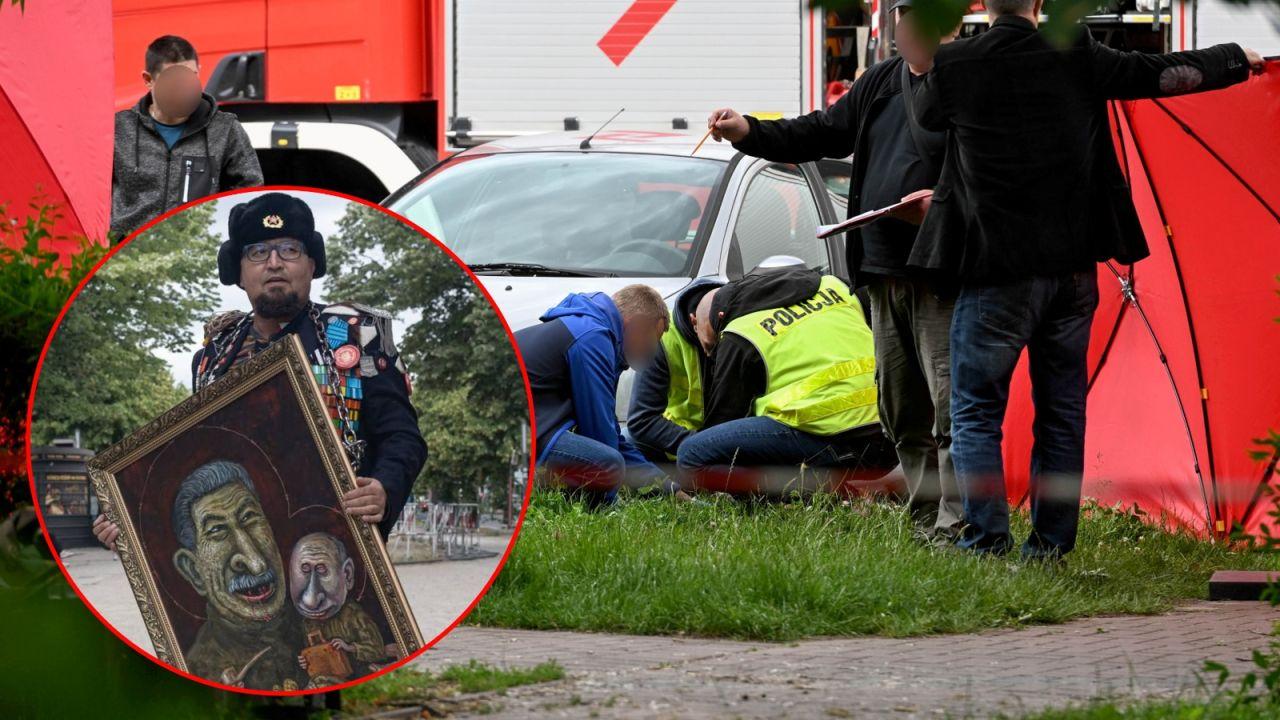
Gunman Kills Russian Kremlin Critic Semyon Skrepetsky in Biała Podlaska
10 sources compared
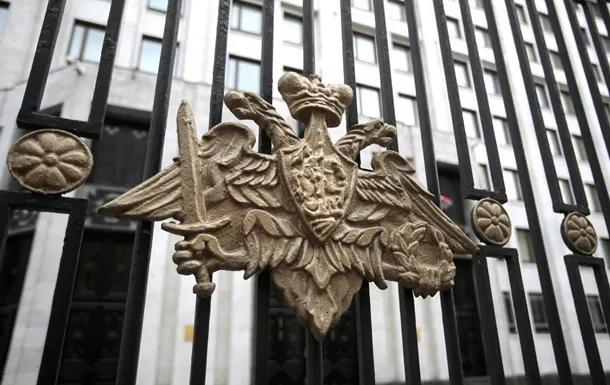
Russian Admiral Grigorovich Fired Warning Shots At UK-Registered Yacht In English Channel
34 sources compared