Russia07 May, 20262 min read
EU Urges Southeast Asia Not To Rely On Russian Oil Amid Fuel Shortage
This article is an automated aggregation of coverage from news outlets. Our editorials offer in-depth analysis curated by the NewsCord team.
EU urges ASEAN not to rely on Russian oil amid Southeast Asia fuel shortages. EU sanctions on Russia include stricter oil trade limits to curb Moscow's funding.
EU urges oil diversification
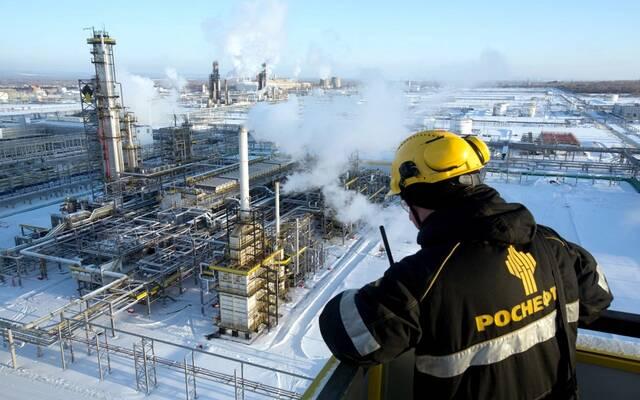
The European Union urged Southeast Asian countries not to turn to Russia for oil supplies as the region tries to overcome a severe fuel shortage linked to the war in the Middle East. EU foreign policy chief Kaja Kallas made the case after meeting with ASEAN foreign ministers in Brunei, saying, "oil revenues are the revenues Russia uses to finance this war (in Ukraine)."
She added, "we call, of course, for diversifying resources and seeking them elsewhere, not from Russia." The EU said it this month agreed to a new round of sanctions on Russia, including tightening restrictions on oil trade, to undermine Moscow’s ability to finance its war in Ukraine.

ASEAN energy pressure and US exemptions
Kallas tied Russia’s oil role to disruptions from the US-Israeli-Iranian war, which she said led to the de facto closure of the Strait of Hormuz, a major conduit for transporting about a fifth of the world’s oil supplies and other vital goods. In the Philippines, the pressure to secure supplies intersected with US policy as the Philippine Department of Energy said the United States approved its request to extend the exemption granted to it to buy Russian oil and petroleum products. Alessandro Salis, Undersecretary of Energy, said the exemption covers the period from April 17 to May 16, 2026, while Philippine Energy Secretary Sharon Garin said the country has fuel reserves sufficient for 54 days.
European Trade Commissioner Maroš Šefčovič said he expressed concern about the United States’ easing of sanctions on Russian oil during talks with U.S. Treasury Secretary Scott Bisent and understood it would not be repeated.

Stakes: sanctions, supply, and war funding
The EU’s warning frames Russian oil as a financing channel for the war in Ukraine, with Kallas telling reporters after meeting ASEAN ministers in Brunei that "It is in our interest that this war stops." The same reporting says the EU wants to target Russian oil revenues rather than countries or companies in Southeast Asia, and it links the push to a new package of sanctions that includes tightening restrictions on oil trade.
At the same time, El Mundo describes Southeast Asia’s turn toward Russian crude as a response to energy emergency conditions, including the arrival in Manila of the Sara Sky loaded with more than 700,000 barrels of Russian crude at the end of March. The article also says the Philippines’ reserves, almost entirely dependent on imports from the Middle East, barely lasted 45 days, underscoring the immediate supply stakes that EU warnings are trying to counter.