Full Analysis Summary
EU, US and Greenland security
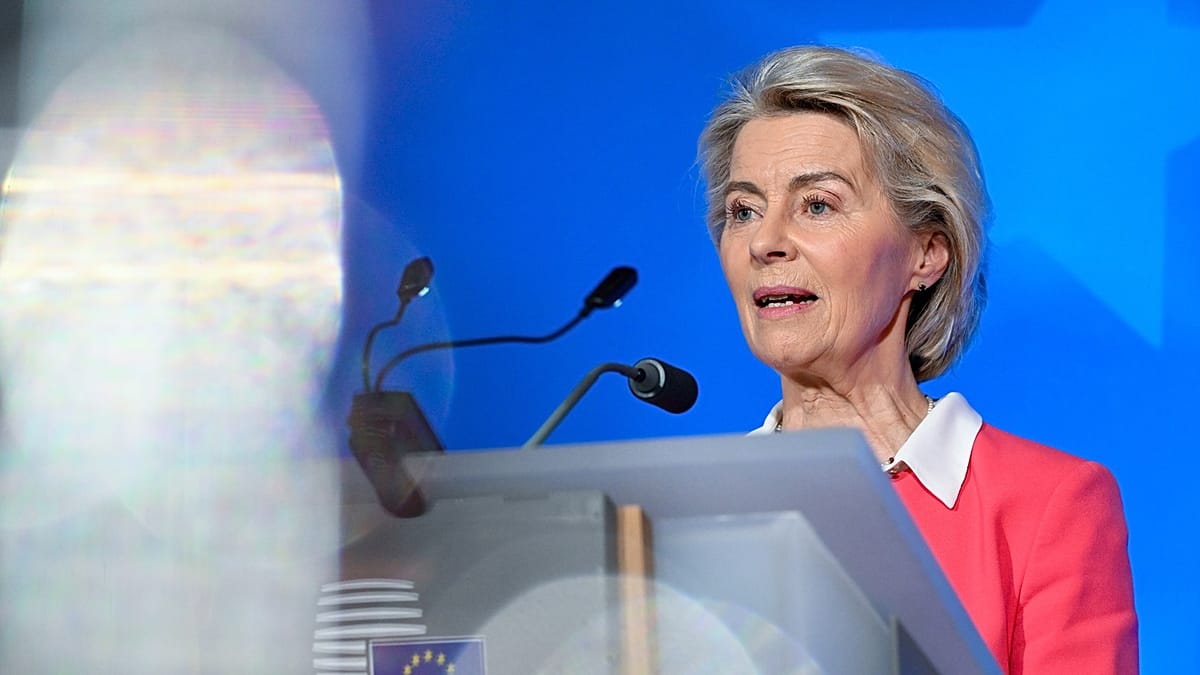
European Commission President Ursula von der Leyen said the EU will continue to cooperate closely with the United States on Arctic security.
She reiterated political, economic and financial support for Greenland amid repeated threats from US President Donald Trump to seize the island from Denmark.
Euronews reports von der Leyen's pledge to work closely with the US.
It notes Trump has justified his interest in Greenland on national security grounds and argued NATO would be stronger if the US controlled the territory.
El País similarly records von der Leyen's support for Greenland but frames her stance as cautious.
It says she declined to take a tougher line with the US and described Arctic security as 'above all' a NATO matter.
Coverage Differences
Tone/Narrative
Euronews (Western Mainstream) emphasizes close EU‑US cooperation and highlights US officials involved, presenting von der Leyen’s comments as reassuring EU‑US ties, whereas El País (Western Mainstream) emphasizes von der Leyen’s reluctance to confront the US directly and frames Arctic security primarily as a NATO responsibility. Both sources report the same core facts but differ in whether they foreground transatlantic unity (Euronews) or von der Leyen’s caution (El País).
Diplomatic talks after Greenland row
Both sources report concrete diplomatic activity following the Greenland row.
Euronews details a recent Washington meeting between US, Danish and Greenland officials, naming participants including Marco Rubio and Vice‑President J.D. Vance, and quotes Danish minister Lars Løkke Rasmussen calling the meeting frank but unsuccessful.
Euronews also says the sides agreed to set up a high-level working group.
El País similarly notes intensified diplomacy, saying the dispute escalated after the US president’s threats and that Denmark’s and Greenland’s top diplomats met the US vice president.
Both accounts record official talks and a follow-up process, with Euronews giving more participant and working-group detail while El País places the meetings in the diplomatic timeline.
Coverage Differences
Detail/Omission
Euronews (Western Mainstream) provides specific names of US participants (Marco Rubio and Vice‑President J.D. Vance) and a Danish minister’s characterization of the meeting, plus a note about forming a high‑level working group. El País (Western Mainstream) reports the meeting's occurrence and timing relative to diplomatic visits but omits some of those named participants and the working‑group detail, focusing instead on the row's escalation and timing.
EU response to Greenland
The EU and several member states have signalled military and security responses that stop short of direct confrontation.
Euronews reports that France, Germany, Sweden, Norway and the Netherlands plan to send military officers on a reconnaissance mission to Greenland at Copenhagen’s request.
Euronews also quotes the European Commission confirming Denmark could invoke the EU mutual‑assistance clause (Article 42.7 TEU) if Greenland were attacked because Greenland is part of the Kingdom of Denmark, while noting no attack has occurred.
El País echoes the deployments but frames them as aligning with the EU mutual‑solidarity clause and says Spain is considering participation.
El País also underscores President von der Leyen’s reluctance to promise an EU security response.
The two pieces therefore converge on the facts of deployments and legal coverage but differ in emphasis: Euronews highlights the Commission’s legal interpretation and reassurance, while El País spotlights political caution and NATO primacy asserted by von der Leyen.
Coverage Differences
Emphasis/Tone
Euronews (Western Mainstream) emphasizes legal reassurance — the Commission’s view Greenland would be covered by Article 42.7 TEU though no attack has occurred — and lists a wider set of countries planning reconnaissance missions. El País (Western Mainstream) stresses that deployments "align with the EU mutual solidarity clause (article 42.7)" but frames von der Leyen as stopping short of promising an EU security response and notes Spain has not ruled out participation.
EU response to Arctic concerns
Taken together, the reporting shows an EU approach that balances reassurance to Greenland and Denmark, solidarity among member states, and deference to NATO structures.
Euronews frames the EU stance as working closely with the United States and underscores specific military and diplomatic steps.
El País stresses von der Leyen's decision not to escalate messaging against Washington and her description of Arctic security as primarily a NATO issue.
Neither source claims an armed attack has occurred, and both cite Article 42.7 as a legal backstop while recording differing emphases on EU assertiveness versus NATO centricity.
Where clarity is lacking, both sources focus on diplomatic channels and military demonstrations rather than on any imminent use of force.
Coverage Differences
Narrative framing
Euronews (Western Mainstream) frames the story around EU‑US cooperation and concrete steps (reconnaissance mission, working group), whereas El País (Western Mainstream) frames von der Leyen’s posture as cautious and prioritising NATO, highlighting restraint. Both report the same legal point about Article 42.7 but use it to underscore different narratives — reassurance and cooperation (Euronews) versus restrained EU action and NATO primacy (El País).
Coverage gaps and differences
Uncertainties and gaps remain in coverage; neither piece reports any imminent attack or legal action, and details about the proposed reconnaissance mission's scope and the working group's remit are limited.
Euronews provides names and a working group outcome but notes no attack has occurred.
El País provides broader context about member-state deployments and von der Leyen's NATO framing but omits some participant names and working-group details.
Both Western mainstream outlets largely converge on facts while differing in emphasis, and they leave open whether deployments will escalate or remain symbolic.
Coverage Differences
Missed information/Uncertainty
Both Euronews and El País report concrete actions and legal interpretations but leave out operational details (the reconnaissance mission’s scope, working‑group mandate) and do not suggest an actual attack; Euronews includes the working group detail that El País omits. This produces ambiguity about next steps and whether responses will escalate beyond demonstrations of presence.