
Europe Heatwave Near 40°C Triggers France Red Alerts, SNCF Cancels 71 Trains
Key Takeaways
- Temperatures approach 40°C across much of Europe on June 21.
- Heatwave triggers transport disruptions and health alerts across several countries.
- Authorities issue warnings amid unprecedented western Europe heat, signaling extended extreme conditions.
Heat dome disrupts Europe
A severe heatwave gripped much of Europe on Sunday as temperatures neared 40°C and authorities issued nationwide warnings ahead of the summer solstice on June 21, which the articles describe as the start of Europe’s three hottest months.
“Europe was gripped by severe weather on Sunday as a prolonged heat wave set in across the region during the Northern Hemisphere's summer solstice”
Meteorologists said the surge was driven by a mass of hot air moving north from the Sahara, fueled by a strong high-pressure system known as the "African anticyclone," creating a "heat dome" that traps hot air over western and central Europe.
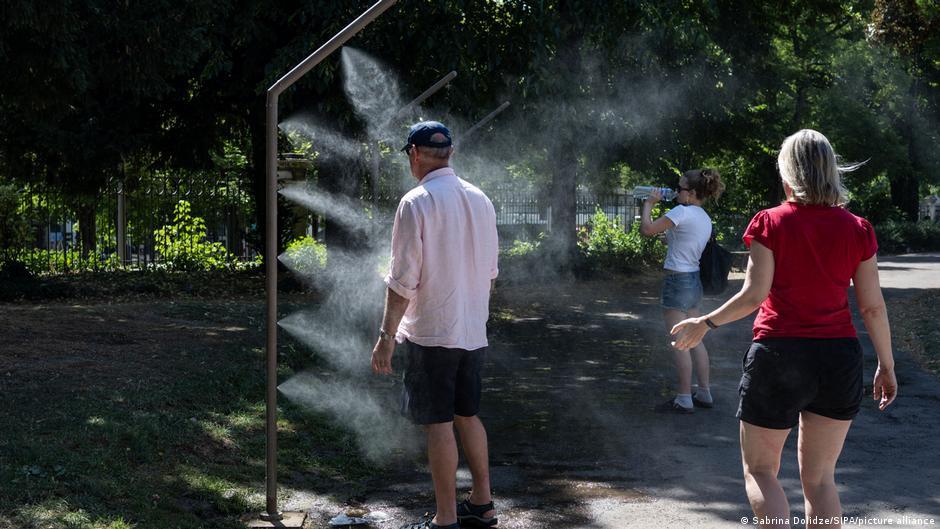
In France, authorities placed some 35 departments, roughly a third of the country, on red alert for extreme heat, and SNCF chief Jean Castex said the rail network was "strongly impacted" by high temperatures that risk damaging overhead power lines and expanding tracks.
SNCF canceled 71 intercity trains Sunday through Monday on key routes, while 3,500 staff were mobilized to monitor the network and 2,000 more were set to conduct emergency repairs.
In Spain, AEMET issued red and orange alerts across several regions, warning temperatures were expected to exceed 39 to 40 degrees Celsius across large parts of the Iberian Peninsula and Mallorca, with the heat wave expected to last at least until midweek.
Public guidance and strain
As heat intensified, public guidance and disruptions spread across tourist and civic spaces, including a Louvre museum cancellation of a free concert under its glass pyramid and a government ban on alcohol consumption in public places in departments under red alert.
In Berlin, heavy rain and strong winds disrupted the open-air Fête de la Musique festival, and organizers evacuated the Berlin Open tennis venue as spectators awaited the singles final between Jessica Pegula of the United States and Linda Nosková of the Czech Republic.
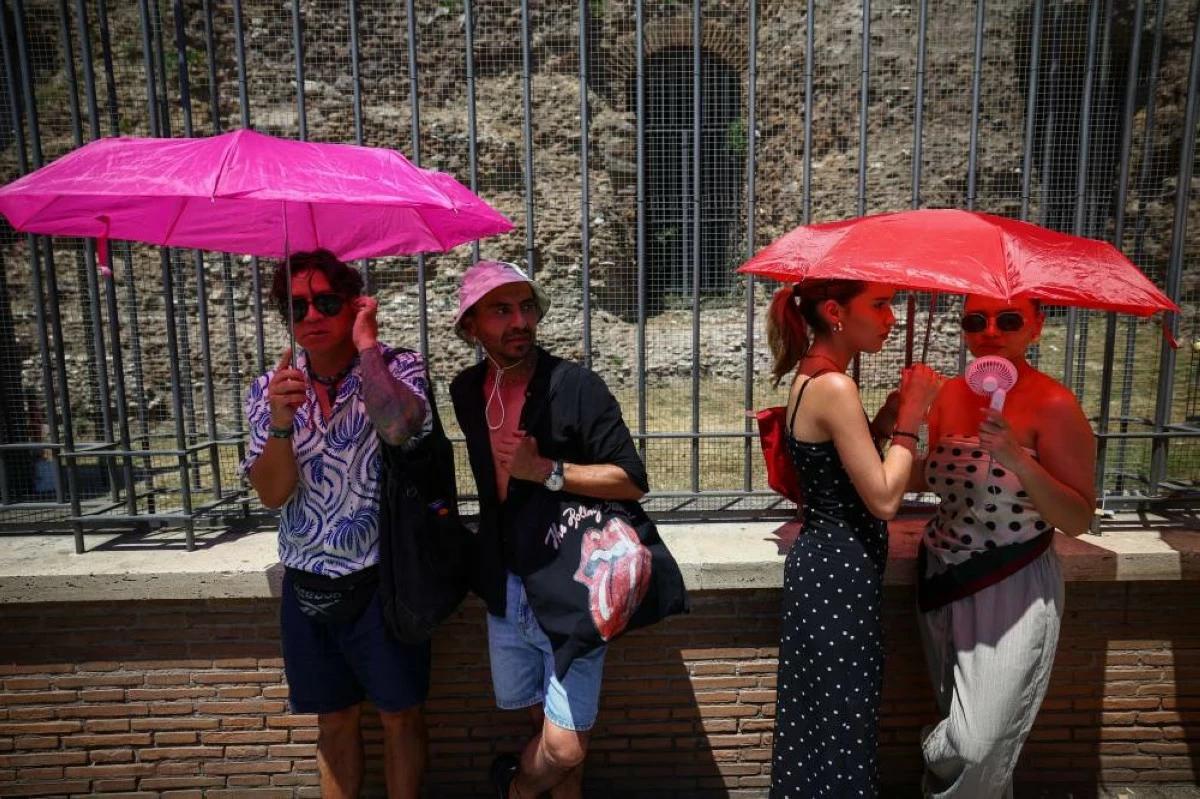
The articles also described warnings about water safety, with the German Life-Saving Association (DLRG) urging people not to underestimate the dangers of swimming in Germany’s rivers and lakes after five people drowned or went missing over the weekend in Franconia, Hesse and North Rhine-Westphalia.
In Belgium, a centre near Namur said it had taken in around 150 heat-stressed animals in recent days, with young birds particularly at risk, and CREAVES founder Romain De Jaegere said, "Nestlings prefer to jump rather than let themselves die and literally cook in their nests."
In France, the heat-response measures included intensified public awareness campaigns telling people to avoid outdoor activity during peak afternoon hours, typically 1 PM to 5 PM, as Paris shifted visitor behavior toward indoor attractions.
Deaths risk and next steps
The articles framed the heatwave as a deadly seasonal threat, citing the World Health Organization’s Europe office that over 200,000 people across the continent died from heat-related causes over the last four years.
“Image generated by AI Western Europe Plunged Into Extreme Heat Crisis Western Europe is gripped by an unprecedented early-summer heatwave that's reshaping travel patterns across the continent”
They also said the World Health Organisation’s Europe office warned that above-average temperatures are expected again this summer, while European governments stepped up emergency preparedness measures including wildfire monitoring, public health advisories and infrastructure protection.
In France, transportation disruptions and heat alerts were paired with restrictions and cancellations, including the Louvre concert cancellation and the alcohol ban in public places in departments under red alert.
In Spain, AEMET’s red and orange alerts and the expectation that the heat wave would last at least until midweek were described alongside canceled public screening of Spain’s national team World Cup match against Saudi Arabia in Madrid.
Across the region, the articles described a continuing strain on public health and services as authorities urged people to delay travel if vulnerable, monitor official forecasts, and seek relief from heat through cooling measures at tourist sites and guidance on limiting exposure.
More on Technology and Science

France Restricts Public Drinking And Outdoor Sports As Heat Wave Triggers Red Alerts
24 sources compared

Met Office Issues Amber Extreme Heat Warning for England and Wales, Temperatures Could Reach 38C
10 sources compared
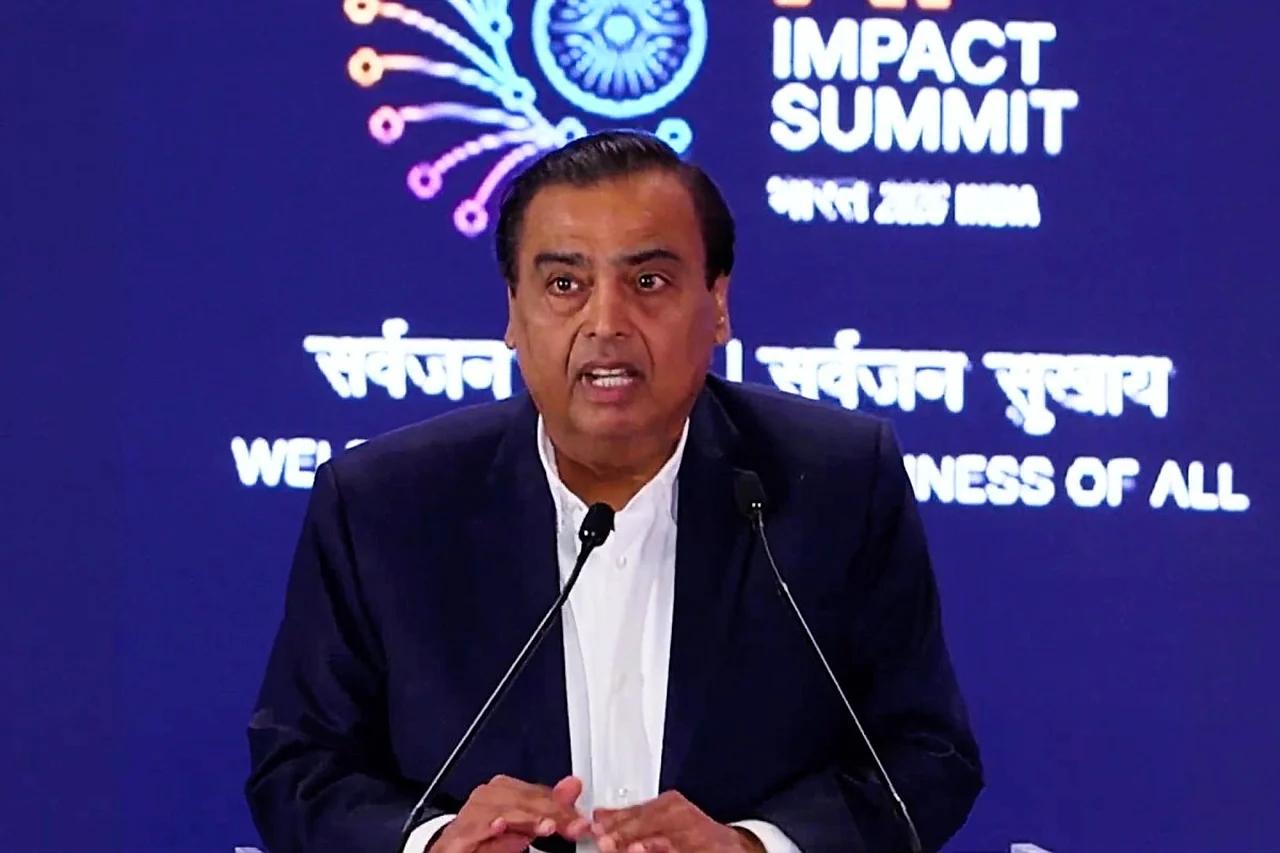
Mukesh Ambani Announces Reliance $110 Billion AI Investment in New Delhi and Jamnagar
15 sources compared

US Commerce Secretary Howard Lutnick Pressures ASML Over Possible EUV Machine in China
16 sources compared