Europe Imports 42% of Global Arms in 2025 After Post‑Ukraine Surge, SIPRI Says
Key Takeaways
- Middle East accounted for around 21% of global arms imports in 2025.
- Except 2024, Middle East imported over a fifth of global arms annually in last decade.
- European arms imports surged following the Russia-Ukraine war.
Europe’s 2025 import surge
SIPRI’s newly released arms trade data shows Europe became the world’s largest arms-importing region in 2025, accounting for 42% of global arms imports after a sharp post‑Ukraine surge.
Reuters reported that “Since the Russia-Ukraine war, European arms imports jumped sharply, and in 2025 the region accounted for 42% of the global arms imports,” and placed Europe alongside Asia and Oceania and the Middle East as the three regions importing the most arms in 2025.
The Reuters piece frames these figures as coming from the Stockholm International Peace Research Institute’s dataset on global arms flows.
Middle East decade trend
The Reuters report highlights that the Middle East has nonetheless remained a major arms destination over the past decade, with SIPRI data showing the region has “consistently imported over a fifth of world’s arms over the last 10 years,” except for 2024.
That longer-term pattern contrasts with Europe’s sudden leap in 2025, underscoring a reallocation of global import shares rather than a uniform rise across all regions.
Reuters frames the 2025 shifts as part of evolving regional demand since the Russia-Ukraine conflict.
Major suppliers identified
The United States emerged as the single biggest exporter to the Middle East in the 2021–2025 period, supplying 54% of the region’s recorded imports, with Italy and France trailing at 12% and 11% respectively.
Reuters notes the U.S. was the largest supplier to several Middle Eastern buyers during this window, naming Saudi Arabia, Israel and Qatar among them.
These supplier concentrations illustrate how the post‑Ukraine Western rearmament has translated into expanded flows to the Middle East alongside Europe’s import spike.
Notable country purchases
SIPRI’s country-level tallies reported specific large purchases: the UAE bought “over 13,000 missiles from the U.S. in the last ten years,” while Saudi Arabia received “89 aircraft, over 150 armoured vehicles and around 1,800 missiles.”
Reuters also records that Iran’s recorded imports in the period came entirely from Russia, noting “All of Iran’s imported arms came from Russia,” and that Iran took missiles, aircraft and air‑defence systems from Moscow over the last decade.
Those details underline stark asymmetries in both suppliers and recipients across the region.
Protests and regional fallout
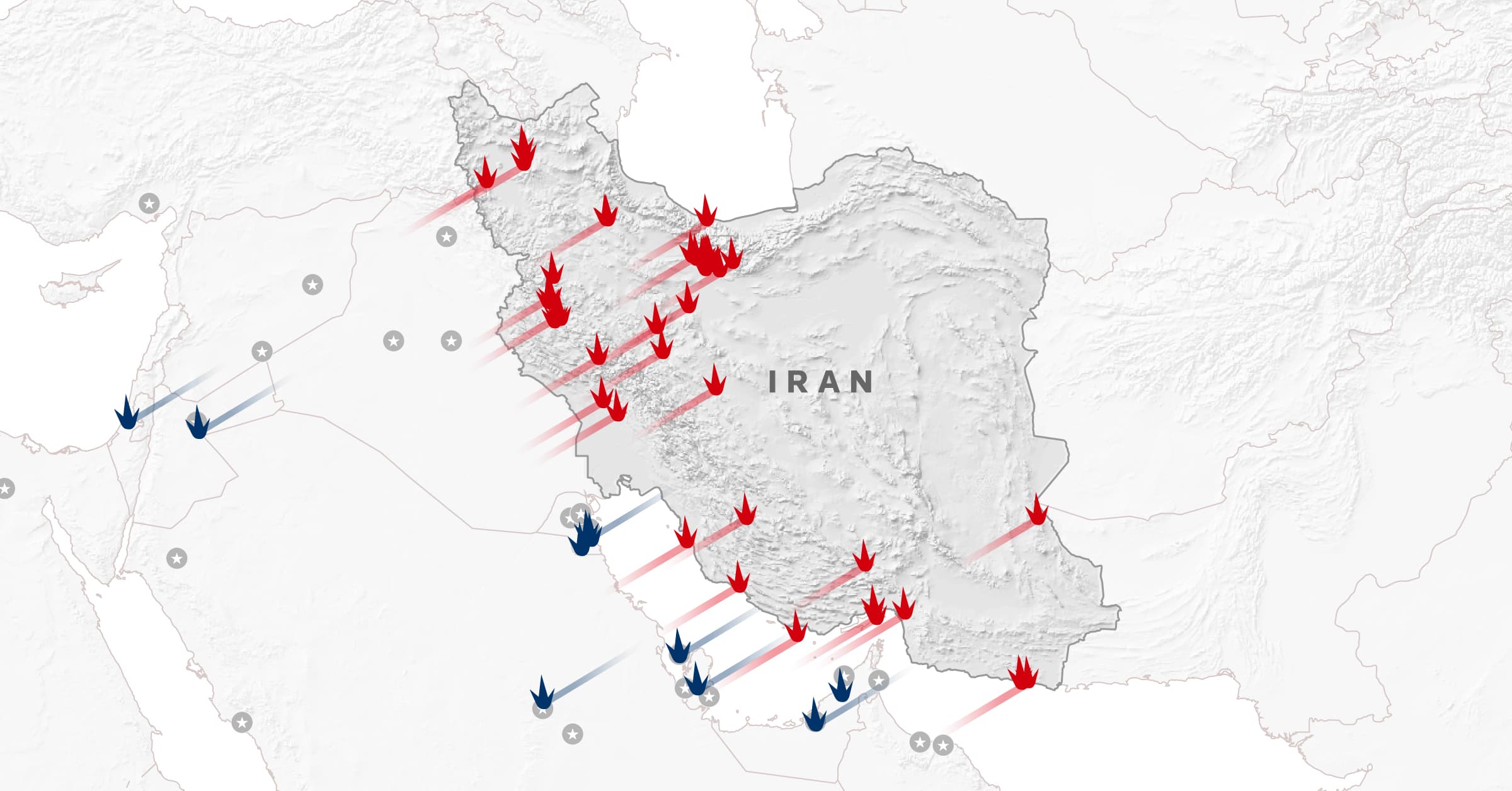
Reuters also linked the SIPRI figures to contemporaneous political fallout, citing ACLED data that recorded over 990 demonstrations worldwide between Feb. 28 and March 6 after the largest U.S. and Israeli attacks on Iran in decades.
ACLED’s dataset showed the largest number of demonstrations in the Middle East — 325 protests, 35 of them classified as violent — and Reuters reported deadly clashes in Pakistan and security responses in Iraq.
This shows how arms flows and regional tensions intersect with immediate protest dynamics.
More on Iran
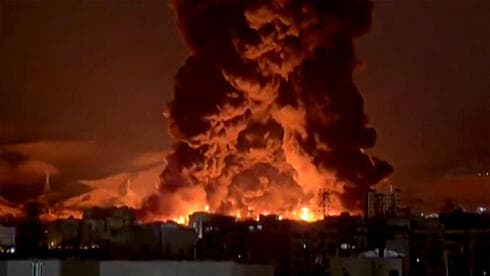
US obliterates military targets on Iran’s Kharg Island, Trump warns
13 sources compared
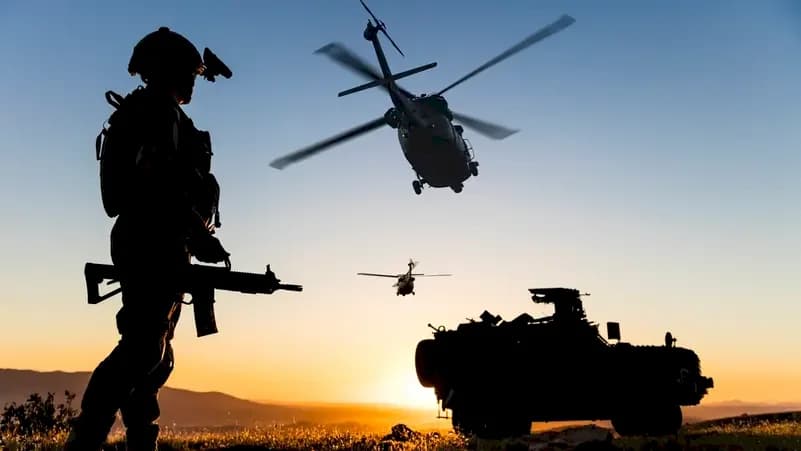
US Deploys About 2,500 Marines to Middle East After Iran Attacks Gulf Shipping
33 sources compared
FBI Warns of Iranian Drone Plot Based on Unverified Tip; California Says No Credible Threat
10 sources compared

White House Demands ABC Retract Report Claiming Iran Sought To Launch Drone Attacks On California
11 sources compared