
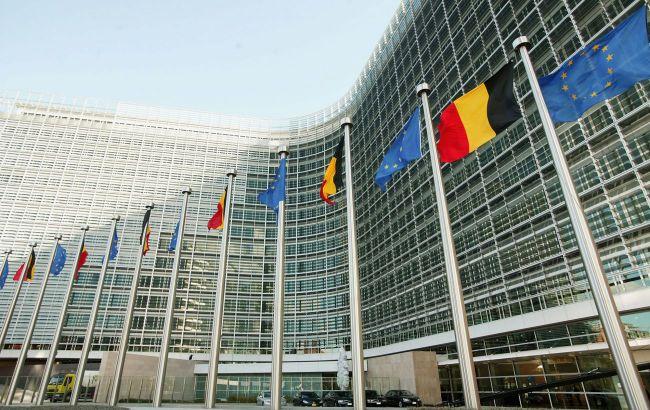
European Commission delays permanent ban on Russian oil imports
Key Takeaways
- The European Commission delayed presenting a permanent Russian oil ban proposal beyond April 15.
- The initiative has not been canceled and will be published later.
- Delay attributed to current geopolitical developments.
Delay Announcement
The European Commission has delayed its planned legal proposal to permanently ban Russian oil imports.
“The European Commission will no longer submit a legal proposal to permanently ban Russian oil imports over Moscow’s war in Ukraine on April 15 as previously planned, an updated EU legislative agenda showed on Tuesday”
The delay pushes back the previously scheduled April 15 submission date.

The move was attributed to 'current geopolitical developments' according to multiple sources.
An EU official confirmed to Reuters that the proposal had not been canceled.
The proposal will not be submitted by the mid-April timeframe as initially planned.
The delay creates uncertainty about the timing of this significant legislative action.
The complex international dynamics have disrupted global energy markets.
These developments have also complicated EU sanctions policy against Russia.
Geopolitical Context
The delay is directly linked to escalating geopolitical tensions in the Middle East.
This includes the conflict between the United States, Israel, and Iran.
This situation has created the biggest oil supply disruption in history according to the International Energy Agency.
The regional crisis has sent global crude prices soaring.
The situation has significantly impacted energy markets worldwide.
The timing of the delay coincides with heightened volatility in global oil markets.
Brussels appears unwilling to introduce major new energy legislation during this turbulent period.
Market stability is already fragile amid these international tensions.
Current Import Status
The EU has already dramatically reduced its dependence on Russian oil.
“EU delays proposal to permanently ban Russian oil imports The proposal is not cancelled, but would no longer be published by April 15 due to ‘current geopolitical developments’ The European Commission will no longer submit a legal proposal to permanently ban Russian oil imports over Moscow’s war in Ukraine on April 15 as previously planned, an updated EU legislative agenda showed on Tuesday”
Imports fell to just 1% of the bloc's total oil consumption by Q4 2025.
This represents a significant reduction from pre-invasion levels.
Current Russian oil imports are now limited to only Hungary and Slovakia.
These two countries have maintained some level of imports despite broader EU sanctions.
This dramatic reduction means any permanent ban would have minimal immediate impact on physical supplies.
The ban would still represent a significant symbolic and political statement.
This statement would show continued opposition to Russia's war in Ukraine.
Long-term Legislative Plans
The European Commission still intends to pursue a permanent legal framework.
This framework would enshrine a complete phase-out of Russian oil imports.
The phase-out would occur by no later than the end of 2027.
The legislation would remain in place even if peace in Ukraine leads to EU sanctions lifting.
This demonstrates Brussels' long-term commitment to reducing energy dependence on Russia.
The proposal would mirror existing Russian gas import phase-out legislation.
The gas phase-out is mandated to occur by late 2027.
Together these create a comprehensive energy independence strategy for the EU.
Political Disputes
The delay comes amid political tensions between EU member states.
“EU delays permanent ban decision on Russian oil imports The European Commission has postponed the submission of a legislative proposal on a permanent ban on imports of Russian oil, which was previously planned to be presented on April 15, reports Reuters”
Hungary and Slovakia have maintained Russian oil imports.
Other member states have eliminated Russian oil imports.
A political dispute erupted after Ukraine accused Russia of deliberately delaying oil shipments.
The dispute followed a drone strike that hit pipeline equipment in Ukraine on January 27.
This dispute has escalated with Hungary blocking an EU loan to Kyiv.
This shows how energy policy and geopolitical conflicts are intertwined in European politics.
The original April 15 timing coincided with Hungary's parliamentary elections.
Sanctions Impact
The evolving sanctions landscape has seen recent changes.
The United States temporarily eased sanctions against Russian oil on March 13.
This move could potentially allow the Kremlin to finance its war efforts longer.
According to diplomatic sources, the U.S. action is unlikely to stabilize global markets.
The move could provide Russia with significant financial resources.
Ukrainian President Volodymyr Zelenskyy estimated Russia could receive up to $10 billion.
These funds would allow continuation of hostilities.
Russia's oil export revenues fell to lowest levels since invasion start in February.
More on Ukraine War

Ukraine Launches Massive Drone Strike on Ust-Luga to Disable Russia's Baltic Oil Exports
14 sources compared
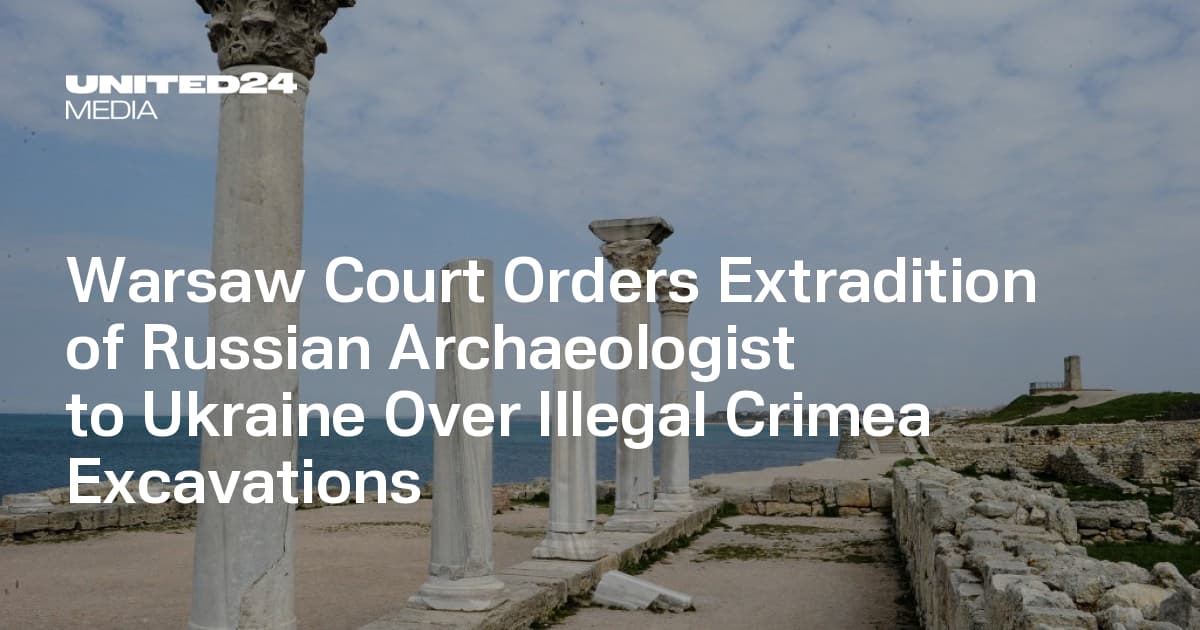
Polish Court Approves Extradition of Russian Archaeologist Oleksandr Butyagin to Ukraine
10 sources compared
Russia Advises Iran on Drone Tactics to Hit US and Gulf Targets
11 sources compared
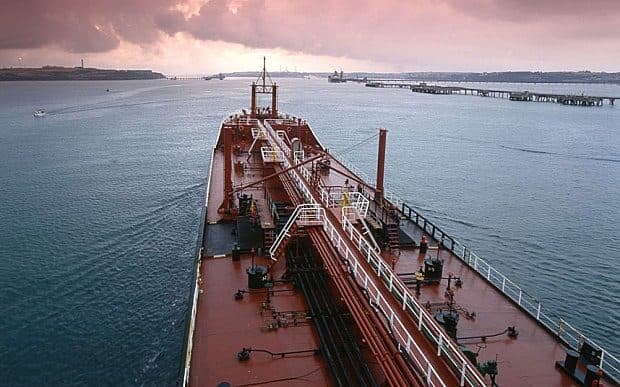
US Eases Russian Oil Sanctions Despite Allies' Warnings It Could Boost Kremlin War Chest
10 sources compared