Ukraine War18 March, 20262 min read
Polish Court Approves Extradition of Russian Archaeologist Oleksandr Butyagin to Ukraine
Polish district court approved extradition of Oleksandr Butyagin to Ukraine, recognizing full admissibility. Butyagin is accused of illicit excavations and artefact theft in Crimea's Myrmekion; arrested December 2025.
Court Decision
A Warsaw district court has approved the extradition of prominent Russian archaeologist Oleksandr Butyagin to Ukraine. The court recognized 'the full admissibility' of Ukraine's extradition request. Butyagin was arrested in December 2025 while traveling through Poland.
“A district court in Warsaw has approved a Ukrainian request to extradite Russian archaeologist Aleksandr Butyagin, a prominent scholar accused by Kyiv of illegally conducting excavations in annexed Crimea and damaging cultural heritage sites.”
He was delivering academic lectures when detained. The defense team will challenge the decision in a higher court. Butyagin will remain in custody during the appeal process.
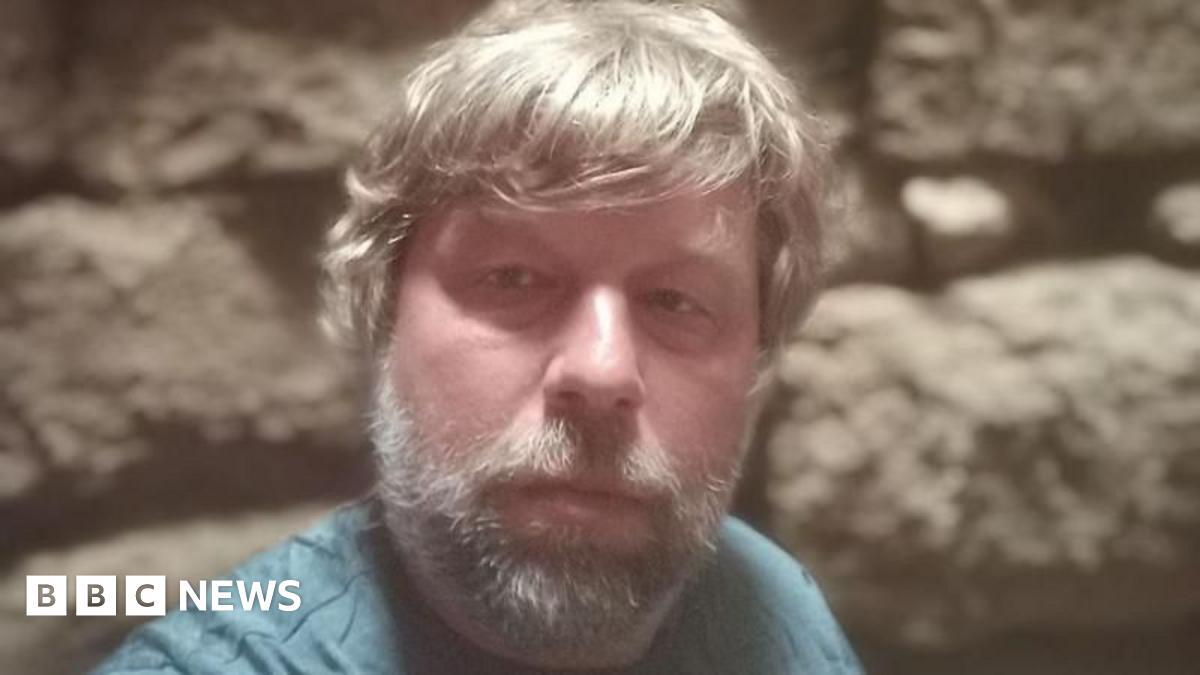
The Warsaw District Court extended his detention until June 1, 2026. A hearing on extradition was scheduled for March 18. Poland had received an official extradition request from Ukraine.
Archaeological Context
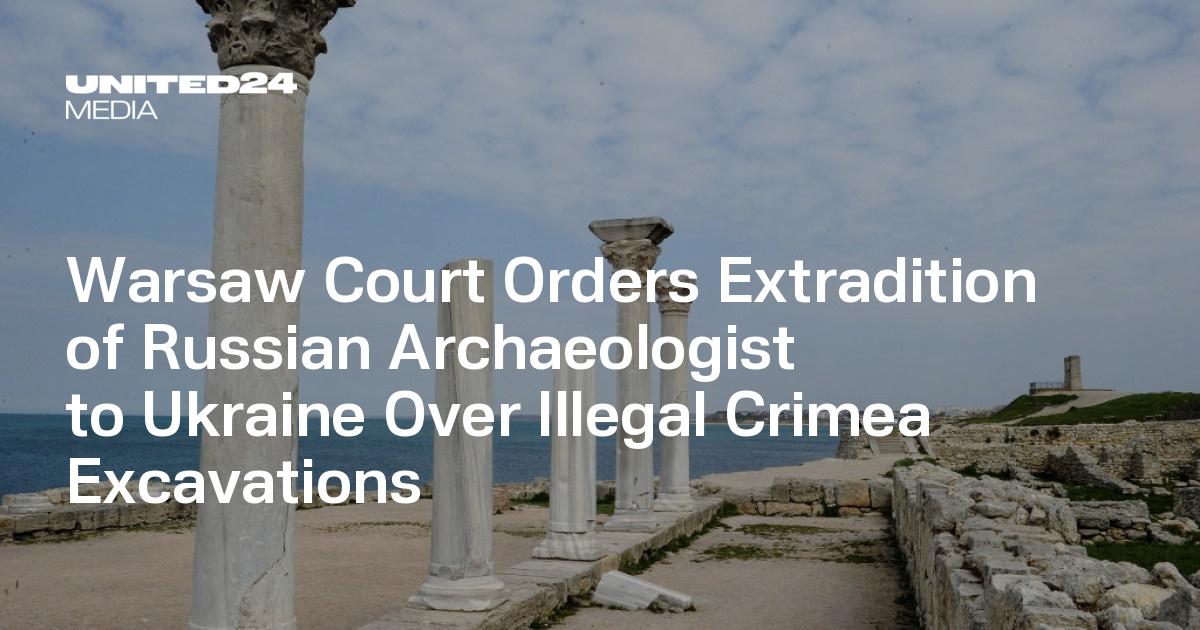
The case centers on Butyagin's archaeological work in Crimea. He has led the Myrmekion excavation project since 1999. Butyagin heads the Ancient Archaeology of the Northern Black Sea Coast section at the State Hermitage Museum.
He directed research at the ancient Greek settlement of Mirmekion near Kerch. Ukrainian authorities consider these excavations illegal after Russia's 2014 annexation. Kyiv and the international community denounced the annexation as violating territorial integrity.

Butyagin claimed he had authorizations from Ukrainian authorities before 2014. He argued his work protected the site from 'vandals and looters.' The Myrmekion ruins had been studied since the 1930s by Leningrad archaeologists.
Legal Charges
Ukrainian authorities accuse Butyagin of destroying cultural heritage sites in Crimea. Estimated damages range from 200 to 201.6 million hryvnias ($4.5 to $4.8 million). The Prosecutor's Office of Crimea (based in Kherson) accuses unauthorized digs at Myrmekion.
“According to the Warsaw prosecutor's office, he is suspected in Ukraine of partially destroying a cultural heritage site and causing damage worth more than 201.6 million hryvnias ($4.8 million). On this charge in Ukraine, the Russian scientist could face up to five years in prison.”
Ukrainian authorities describe this as intentional illegal destruction. Charges carry potential sentences of two to ten years in prison. Extradition documents cite offenses punishable by up to five years.
The Warsaw court recognized crimes meet legal threshold for extradition. Both Ukrainian and Polish legal systems apply.
Russian Foreign Ministry dismisses charges as 'absurd' and 'baseless'. Moscow argues Crimea is Russian territory and Butyagin had necessary permissions.
Diplomatic Fallout
The extradition ruling triggered diplomatic tensions between Russia, Poland, and Ukraine. Russia condemned the decision as 'legal tyranny'. Russia summoned Polish ambassador to express 'decisive protest'.
Russian Foreign Ministry characterized accusations as absurd and politically motivated. Russia maintains Crimea is Russian territory. Russia claims Butyagin had necessary authorizations for his work.

UNITED24 Media reports Russian authorities used illegal archaeological excavations to rewrite history. This was done to justify Crimea's annexation.
The case represents broader legal and diplomatic confrontations. Cultural heritage sites have become contested in the geopolitical conflict.
Institutional Response
The case has revealed institutional and personal dimensions. The prestigious State Hermitage Museum refused to fund Butyagin's legal defense. Colleagues had to organize crowdfunding efforts for his lawyers.
“Despite the high-level friction, the Hermitage Museum has reportedly refused to fund Butyagin's legal defense, forcing his colleagues to crowdfund for his lawyers. The decision is not yet final; the defense is preparing an appeal, and the final execution of any extradition order ultimately rests with the Polish Minister of Justice, according to BBC.”
Butyagin has maintained his innocence throughout proceedings. He stated before his March court session that he felt fine but didn't expect positive decision. The extradition process remains complex under Polish law.
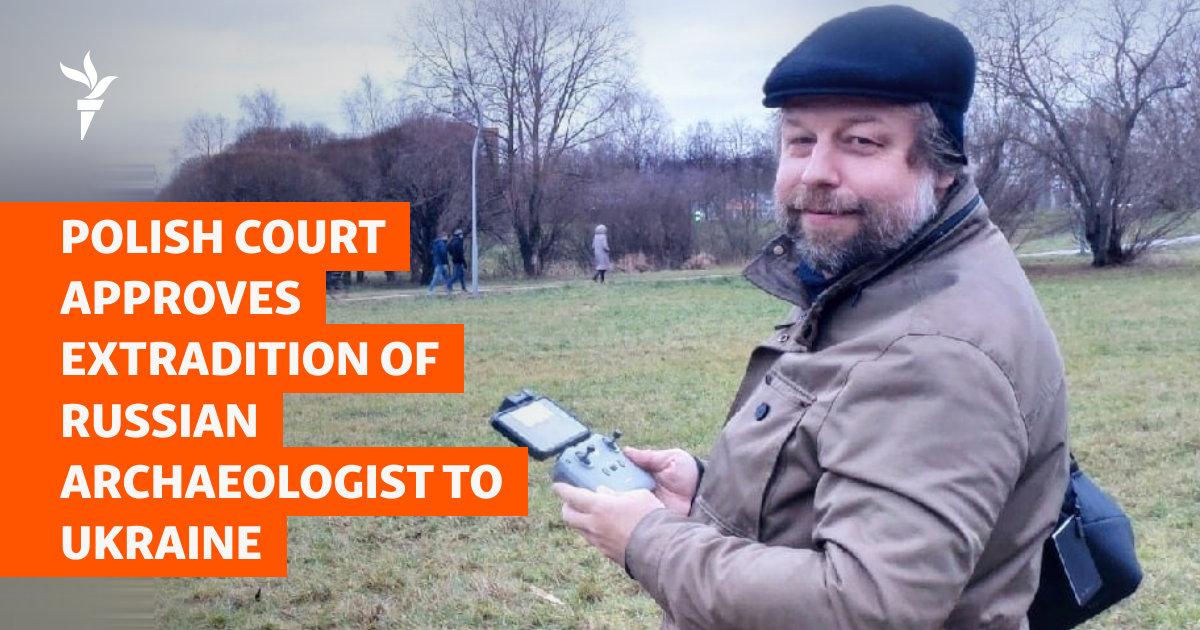
The Warsaw court decision is not final. Defense's appeal must be considered by higher court. Only after appeal would case go to Polish Minister of Justice.
This procedural complexity suggests legal battle could extend beyond initial ruling. Case has implications for academic freedom and cultural heritage protection in conflict zones.