
European Commission Prepares Circular Economy Act Aiming To Double EU Circularity Rate By 2030
Key Takeaways
- EU circular economy legislation to be presented by end-2026 after public consultation.
- Autumn 2026 adoption by the Commission of the new circular economy rules.
- Aims to consolidate and strengthen the circular transition across all sectors of the EU economy.
Circular Economy Act Looms
The European Commission is preparing a Circular Economy Act, a future law framework for the entire European Union, with a proposal scheduled for “a fine 2026” after a public consultation “aperta tra agosto e novembre 2026.”
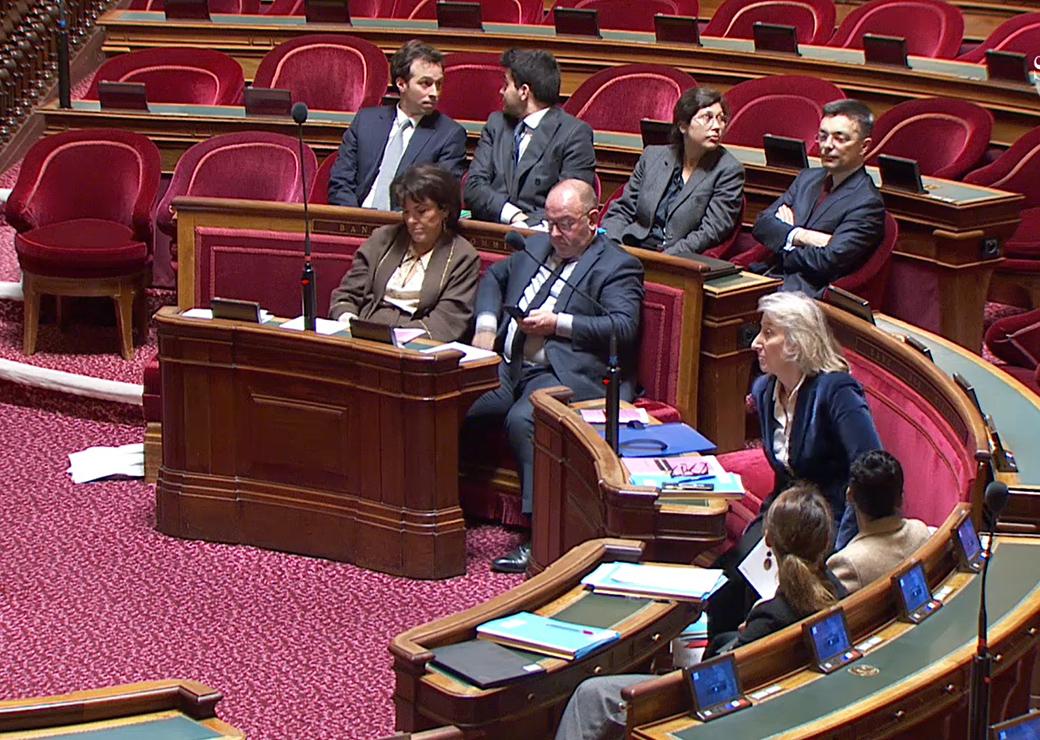
“Energy, Transport, Circular Economy: the 5th Ddadue bill moves past the Senate stage The Senate adopted, in first reading, on February 18, the bill bearing various provisions for adaptation to EU law”
The plan aims to double by 2030 the current European circularity rate, which is described as “praticamente fermo da anni intorno al 12%,” and to do so by incentivizing “recupero, riciclo e riuso.”
The act is positioned as a response to fragmentation in existing circular policies, building on the Clean Industrial Deal and the 2015 action plan for the circular economy updated with a new plan in March 2020.
It also sets out a goal of creating a “mercato unico per le materie prime secondarie e prodotti circolari,” intended to reduce dependence on strategic raw materials by expanding the use of recovered, recycled, or reused materials.
The sectors highlighted for involvement include electronics, batteries, packaging, plastics, textiles, construction, food, water, and nutrients, with waste treated as a resource to be kept in circulation.
EPR Meets Simplification Fight
On 24 June, the Council agreed its negotiating position on parts of an environmental simplification package covering industrial emissions, circular-economy rules and geospatial data, but it discontinued negotiations on two proposals relating to extended producer responsibility after “strong reservations from a large majority of member states.”
The EU Today account describes EPR as a system under which “producers are made responsible for the collection, treatment or financing of waste from products they place on the market,” and notes that the principle is already embedded in rules for packaging, batteries, electrical equipment, single-use plastics and textiles.
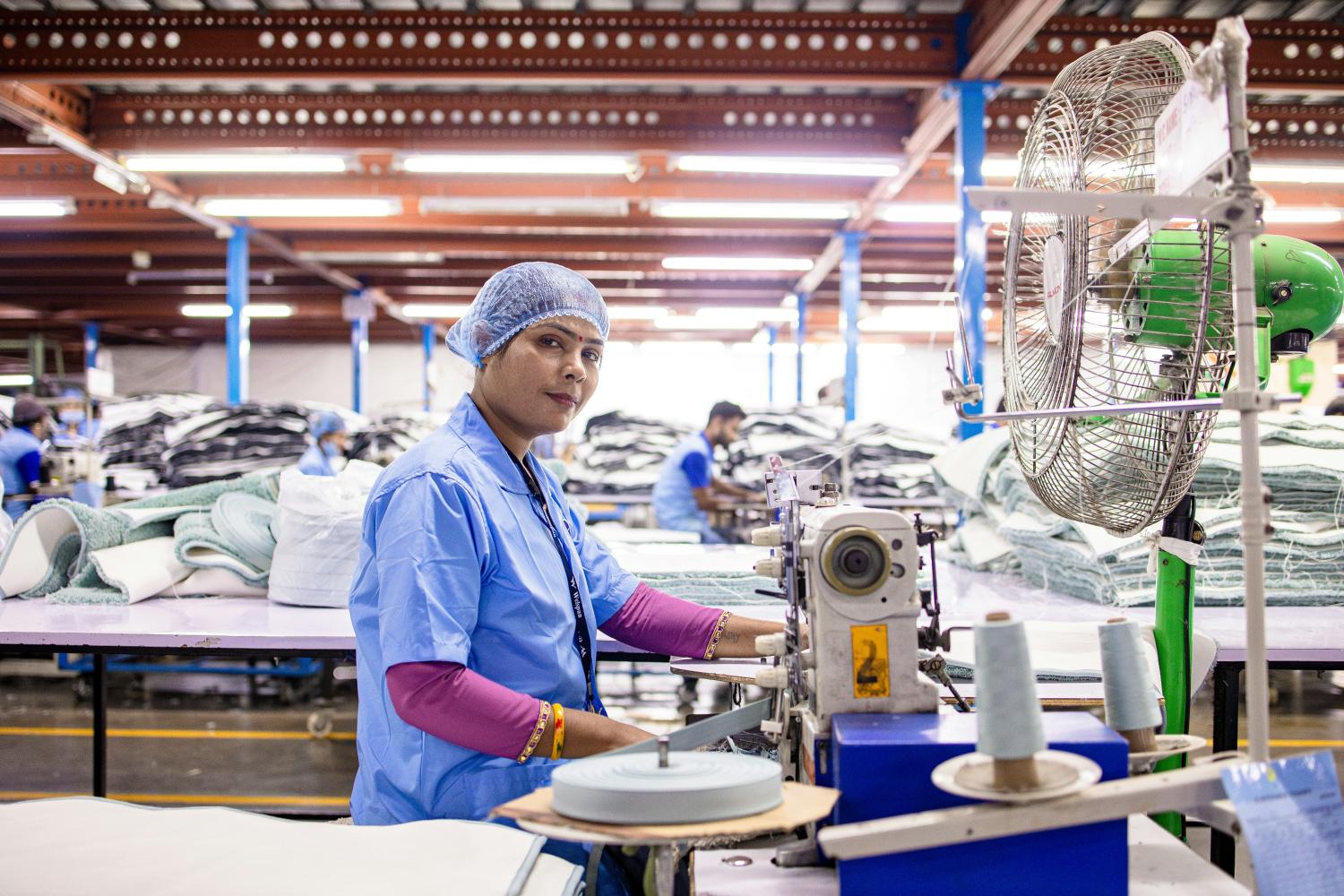
One Commission change described by EU Today would have suspended rules requiring certain producers selling goods into another member state to appoint an authorised representative for EPR compliance, a move supporters framed as reducing administrative costs for cross-border operators.
Opponents warned that weakening authorised-representative requirements could make enforcement harder, because without a clear local compliance contact “national authorities may struggle to trace responsibility for waste obligations.”
Recycling Europe argues that the underlying EPR economics are also failing recyclers, saying Article 8a of the Waste Framework Directive requires producers to bear at least 80% of the “necessary costs,” but that the law never defines what those costs include.
From Rules to Investment
The Circular Economy Act is also framed as a competitiveness and resilience measure aimed at reducing dependence on critical raw materials by strengthening a single market for secondary raw materials, with the European Commission seeking to overcome “fragmented” rules among member states.
“Passare da un’economia lineare (“prendi-produci-usa-getta”) a un’economia circolare (dove materiali e prodotti vengono tenuti in uso più a lungo possibile e rimessi in circolo come risorse) in tutta l’Unione europea: questo l’obiettivo del Circular Economy Act, la futura legge quadro su cui la Commissione presenterà a fine 2026 una proposta, dopo la consultazione pubblica aperta tra agosto e novembre 2026 per raccogliere contributi di cittadini e stakeholder”
la Repubblica says the act is designed to consolidate and strengthen the circular transition across all sectors, with a focus on harmonizing criteria and procedures so businesses and investors can operate at a European scale.
Among the tools described are a revision of end-of-waste rules, tighter criteria for traceability and recycling of electrical and electronic products, and harmonized rules on extended producer responsibility to stimulate demand for circular goods.
The article also points to digitization of waste management procedures, stating that the full transition to electronic systems for traceability of cross-border shipments is scheduled for May 21, 2026.
In parallel, Recycling Europe’s critique highlights how the Circular Economy Act could change procurement and sustainability teams’ decisions if “necessary costs” definitions are broadened, because that could raise EPR fees and affect supplier economics and the reliability of recycled-material supply.
More on Technology and Science

China’s LineShine Tops TOP500, Surpassing U.S. El Capitan at ISC 2026 in Hamburgo
15 sources compared

Apple Raises Mac And iPad Prices As Chip Demand For AI Data Centers Surges
15 sources compared

UK Sets New Highest June Temperature as Met Office Records 36.7C in Somerset
16 sources compared

Slate Auto Begins Taking $300 Preorders for $24,950 Electric Pickup With 205-Mile Range
15 sources compared