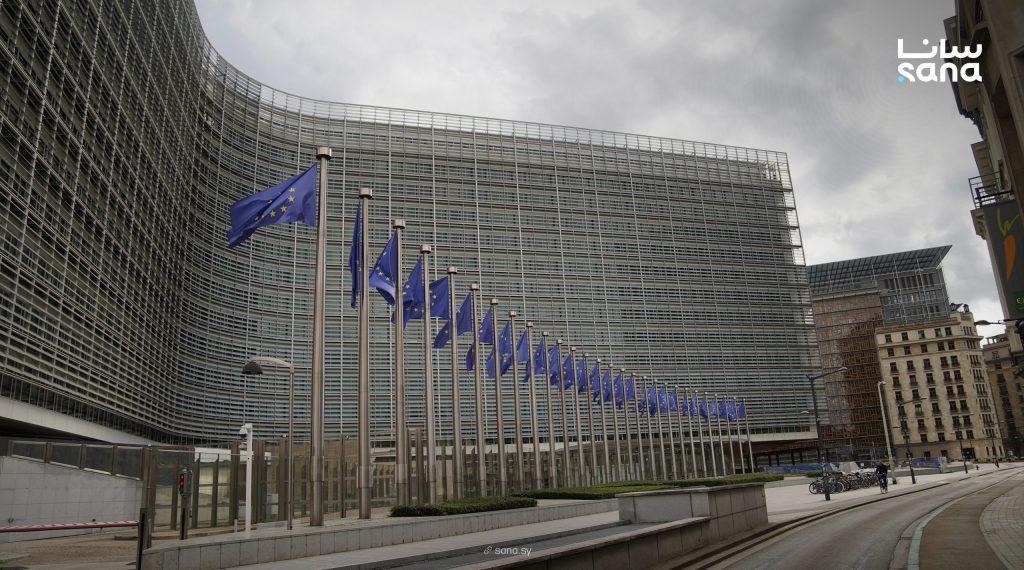
European Commission Proposes Resuming EU-Syria Cooperation Agreement, Sets May 11 Dialogue
Key Takeaways
- EU Commission proposes full resumption of EU–Syria cooperation agreement suspended since 2011.
- Tariffs on most Syrian industrial products would be lifted.
- The move aims to re-engage Damascus and bolster post-war reconstruction.
EU revives Syria pact
The European Commission has proposed reactivating the cooperation agreement between the European Union and Syria, aiming to bolster what it described as the transitional phase in Syria and to rebuild the country after 15 years of war.
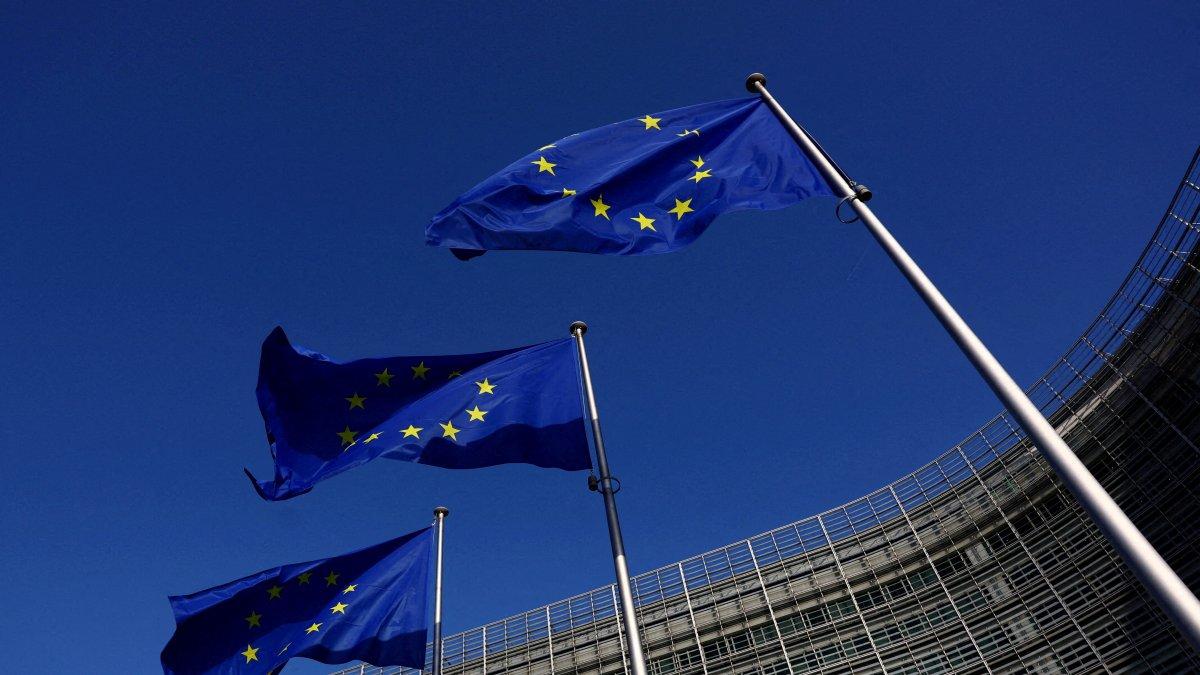
In a statement, the Commission said Brussels seeks to re-activate the cooperation agreement between the 27 EU member states and Syria, as part of efforts to facilitate a "peaceful and comprehensive transition" led by Syria, respond to humanitarian needs, and contribute to efforts for economic recovery.

The proposal is framed as a continuation of a new cooperation framework announced by Commission President Ursula von der Leyen in January, and it would move the EU-Syria relationship into what the Commission called "a new phase in the relations between the two sides."
The Commission said the step is designed to "begin a new phase in the relations between the two sides," and warned that after the proposal is officially endorsed by the Council of the European Union, Syrian authorities will be informed.
The cooperation agreement had been suspended in 2011 due to human rights violations attributed to the deposed Syrian president Bashar al-Assad’s regime, and the Commission’s move is presented as a political message ahead of a high-level political dialogue scheduled for May 11.
The Commission also described the agreement’s trade mechanics, saying it eliminates customs duties on most Syria-originated industrial products when imported into the European Union and prohibits quantitative restrictions on either side.
Timeline and trade shifts
The Commission’s proposal is tied to a broader sequence of diplomatic steps that multiple outlets describe as a shift after Syria’s political transition on December 8, 2024.
The Syrian Observer said President Ahmed al-Sharaa’s visits to Germany and the United Kingdom marked a decisive shift after years of rupture, and it described the diplomatic trajectory as beginning immediately after the transition on December 8, 2024.

It also said relations have steadily warmed, citing an earlier visit to Paris and a series of European political, economic, and diplomatic delegations arriving in Damascus.
Eunews described the cooperation agreement as dating back to 1978 and said the partial suspension initiated in 2011 ended with the text governing trade relations being frozen in response to repression and systematic human rights violations attributed to Bashar al-Assad’s regime.
Eunews added that before the conflict, the EU was among Syria’s main commercial partners, with trade peaking at over €7 billion in 2010, while in 2024 the total volume of goods trade stood at just €368 million.
Al-Jazeera Net, meanwhile, placed the trade figures differently, saying that prior to the suspension the volume of trade between Syria and the European Union stood at around 7 billion euros, and that in 2023 EU imports from Syria fell to 103 million euros while exports reached 265 million euros.
Voices and policy logic
The outlets describe the EU’s move as both a political signal and a practical framework for humanitarian and economic engagement, with multiple named officials and organizations offering direct language.
Al-Jazeera Net said the Commission’s statement explained that the proposal comes as a continuation of the new cooperation framework announced by Ursula von der Leyen in January, and it said Brussels seeks to re-activate the agreement to facilitate a "peaceful and comprehensive transition" led by Syria.
SANA reported that the Commission forwarded a proposal to the European Council to fully reactivate the agreement suspended since 2011, and it described the step as bearing important political significance ahead of the high-level political dialogue scheduled for May 11.
Eunews quoted the Berlyamont Palace explaining that "By ending the partial suspension of the cooperation agreement, even though this is a formality, the Union can send a political signal of support for the normalisation of relations with Syria and for the country’s socio-economic recovery," while also clarifying that the lifting of sanctions refers to "the formal removal of quantitative restrictions on Syrian imports into the Union."
The Syrian Observer added that the EU is preparing to resume formal political engagement with Damascus and described the shift as the most significant change in EU policy toward Syria since relations froze more than a decade ago.
Daily Sabah and Türkiye Today both described the Commission’s proposal as requiring approval by EU member states, with Daily Sabah saying "The EU member states still need to approve the reinstatement of the cooperation framework" and Türkiye Today stating the move "requires approval from member states".
Refugees, corridors, and security
Beyond trade provisions, the Commission’s proposal is described as part of a wider EU plan that includes humanitarian needs, economic recovery, and security cooperation.
Al-Jazeera Net said the step aims to respond to humanitarian needs and contribute to efforts for economic recovery, and it described the agreement as supporting economic and social development in Syria and strengthening fair trade relations.
The Syrian Observer’s account of an EU roadmap for reengagement said the EU document outlines plans to strengthen economic ties and to work with Damascus on facilitating the safe, voluntary, and dignified return of refugees, adding that Europe hosts more than one million Syrians, nearly half of them in Germany.
Middle East Online similarly said the EU is expected to work with Syrian authorities on facilitating the “safe, voluntary and dignified return” of refugees and displaced people, and it stated that Europe hosts over 1 million Syrian refugees and asylum seekers, roughly half of whom are in Germany.
The Syrian Observer also described ambitions to integrate Syria into regional connectivity projects, including the India–Middle East–Europe Economic Corridor, and it said Syria’s strategic importance has grown in recent months, especially after the closure of the Strait of Hormuz during the war with Iran.
On security, the Syrian Observer said the EU is considering support for police-training programs, institutional capacity-building within the Interior Ministry, and cooperation on counterterrorism, narcotics trafficking, and organized crime.
What happens next
The sources converge on a near-term sequence: the Commission’s proposal must be adopted by the European Council, after which Syrian authorities would be officially notified, and it is positioned ahead of the May 11 high-level political dialogue.
“The European Commission on Monday proposed fully reinstating a long-suspended cooperation agreement with Syria, signaling a notable step toward re-engagement with Damascus after years of strained relations”
Al-Jazeera Net said the Commission warned that after the proposal is officially endorsed by the Council of the European Union, the Syrian authorities will be informed, stressing that this step carries an important political message ahead of the high-level political dialogue between the EU and Syria, scheduled for May 11.
SANA similarly said the Commission forwarded a proposal to the European Council and that once the proposal is formally adopted by the European Council, Syrian authorities will be officially notified, in a step bearing important political significance ahead of the high-level political dialogue scheduled for May 11.
Eunews described the Commission’s proposal as awaiting adoption by the Council before it can be officially notified to the Syrian authorities, ahead of the bilateral meeting already scheduled for 11 May.
Al-Jazeera Net said EU foreign ministers are expected to discuss this matter on Tuesday in Luxembourg, according to diplomatic sources, adding a specific location to the decision-making timeline.
Al-Jazeera Net said that in March 2025 the European Union pledged to provide around 2.5 billion euros to Syria over two years, and it cited the World Bank estimate that the cost of rebuilding Syria could reach 216 billion dollars.
More on Europe
European Court Of Justice Strikes Down Hungary’s 2021 Anti-LGBTQ Law For Breaching EU Values
21 sources compared

Rumen Radev’s Progressive Bulgaria Wins Bulgaria Snap Election, Securing Majority in 240-Seat Parliament
13 sources compared
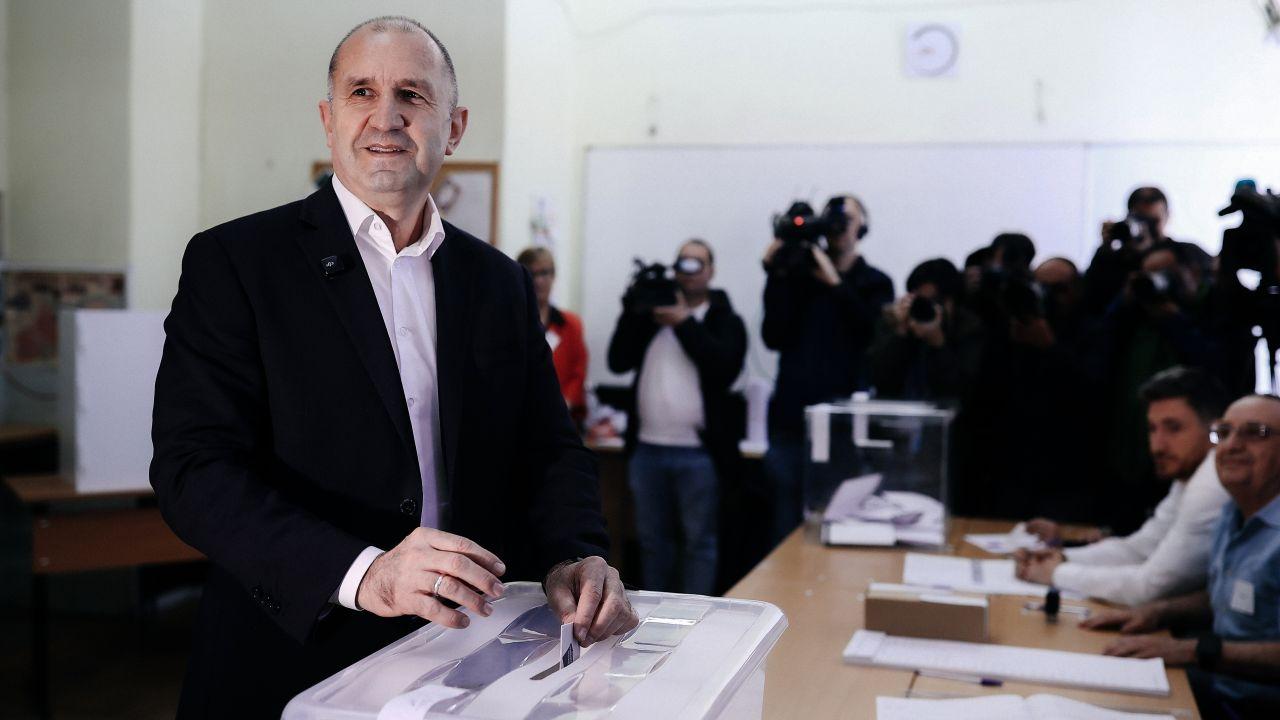
Rumen Radev’s Progressive Bulgaria Wins Bulgaria Parliamentary Election in Landslide
32 sources compared
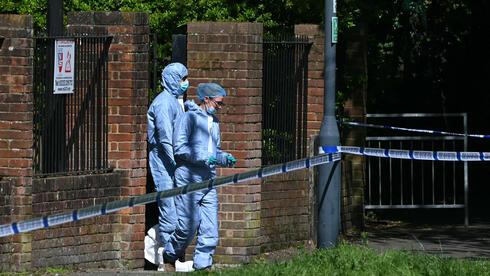
Iran-Linked Group Ashab Al-Yamin Claims Arson Attack on Kenton United Synagogue in London
20 sources compared