Technology and Science16 July, 20263 min read
European Commission Proposes Slower EU ETS Carbon Cuts, Extends Free Permits Until 2038
This article is an automated aggregation of coverage from news outlets. Our editorials offer in-depth analysis curated by the NewsCord team.
Cap reductions slowed to 3.7% per year (2031–2035) and 1.7% from 2036. Free emission permits for industry are extended under the reform.
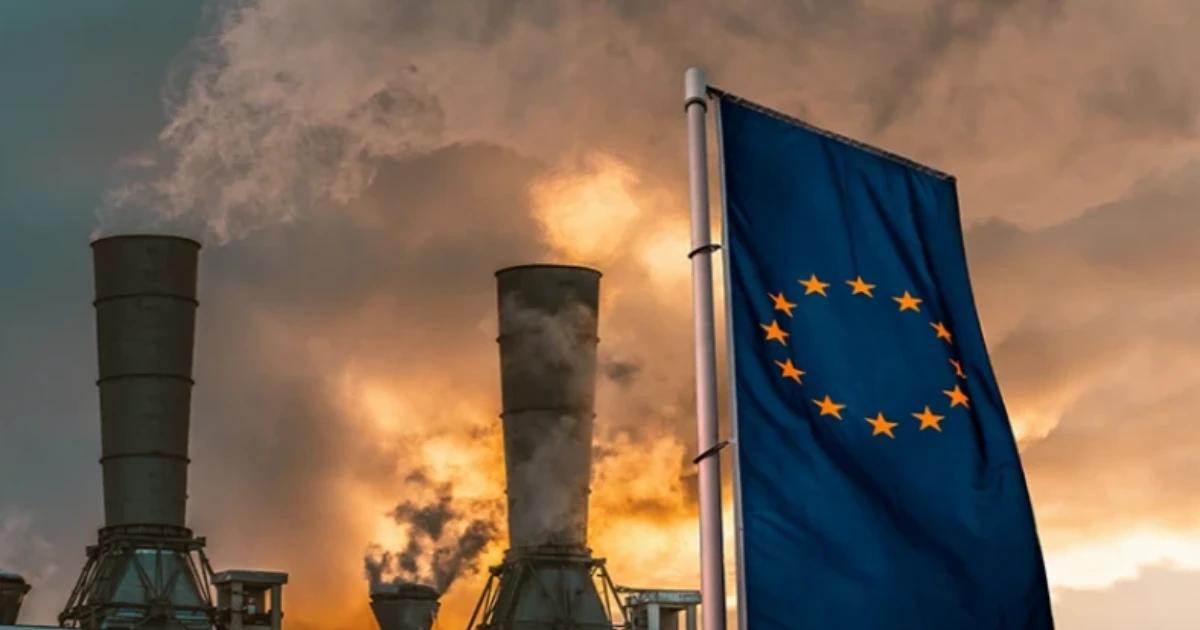
EU ETS overhaul unveiled
The European Commission on Friday presented a proposal to reform the EU Emissions Trading System (ETS), which puts a price on carbon emissions in the energy sector, energy-intensive industries and European aviation. The reform would slow the annual reduction of the ETS cap after 2030, with the Linear Reduction Factor cut from 4.3% today to 3.7% in 2031 and to 1.7% in 2036, while still aiming to deliver the EU target of cutting net emissions by 90% by 2040. The Commission also proposed extending free permits for energy-intensive industry until 2038 instead of 2034, with 80% of allowances tied to a board-approved investment plan and the remainder handed over only once spending and emissions cuts are delivered.
The plan would also change how the market stability reserve works, halving the rate at which it mops up surplus permits to 12 per cent, leaving more permits in circulation for longer. In the same package, flights of up to 5,000km linking Europe with airports such as Dubai and Istanbul would enter the scheme from 2029, while routes to the United States and China would stay outside it.

Hoekstra and industry pushback
EU climate commissioner Wopke Hoekstra said the reforms were “a phenomenal asset” and argued the ETS would have meant Europe would have consumed an extra 100bn cubic metres more gas without the scheme, “making us even more vulnerable” to energy market volatility. Hoekstra also defended the overhaul as “a more business-friendly and, may I say so, savvy approach,” while the plan’s design would keep permits available into the mid-2040s rather than exhausting the system at the end of the 2030s. Michael Bloss, a German Green MEP, accused the commission of giving industries “a licence to pollute for even longer and at a lower cost,” and said “Weakening the emissions trading scheme harms companies that create jobs and growth through climate-friendly production.”
Camille Maury, a senior policy officer on industrial decarbonisation at WWF’s European policy office, said the proposal “jeopardises a predictable and effective price on pollution that businesses and investors need to invest in clean technologies.” Airlines for Europe criticised the ETS reform for increasing costs for passengers without ensuring ETS revenues are reinvested in aviation decarbonisation, and Managing Director Ourania Georgoutsakou called on the EU to prioritise lowering the cost of both ETS compliance and Sustainable Aviation Fuel (SAF).
What changes and what’s at stake
The Commission’s proposal would extend the ETS to municipal waste incineration from 2031 and cover ships of 400 gross tonnes, down from 5,000 at present, while also applying the scheme to private jets for the first time. Under the latest proposals described by AOL.co.uk, the ETS would be extended to include municipal waste and flights within a 5,000km radius of a central point in Europe, affecting airlines flying to north Africa and the Middle East but not China or the US. The reform would also allow manufacturers starting in 2036 to purchase international carbon credits by financing decarbonisation projects outside the EU, which would count toward their emissions reductions.
Brussels Signal said governments would be obliged to spend at least half their auction revenue on decarbonising the sectors covered by the market, while the Commission said only about 5 per cent of the €260 billion raised since 2013 had gone directly to industry. The stakes are framed in terms of whether the ETS remains “Europe’s biggest climate change policy” and whether it can keep carbon pricing predictable as the EU seeks to shore up industry under pressure from countries including Italy and Poland.