European Leaders Urge Europe To Defend Its Interests As Munich Security Conference Exposes Widening Rift With United States

European Leaders Urge Europe To Defend Its Interests As Munich Security Conference Exposes Widening Rift With United States

14 February, 202616 sources compared
Europe

Key Points from 16 News Sources

  1. 1

    German Chancellor Friedrich Merz said the post‑war rules‑based order 'no longer exists'.

  2. 2

    Leaders urged strengthening Europe's defence to reduce sole reliance on U.S. security guarantees.
  3. 3

    Munich talks highlighted widening transatlantic rift over Ukraine, China, Greenland, and U.S. tariffs.

Full Analysis Summary

Transatlantic tensions in Munich

Deepening transatlantic tensions set the tone on the opening day of the 62nd Munich Security Conference, where leaders framed the summit as a test of whether Europe can protect its own interests amid widening fissures with the United States.

MSC Chair Wolfgang Ischinger warned that "the transatlantic relationship is at an inflection point," and multiple dispatches describe the meeting as dominated by disputes over tariffs, Greenland, energy and defence policy.

Organisers and national delegations say the three-day conference will tackle Europe’s strategic autonomy, the future of transatlantic ties and the security implications of rising great-power rivalry.

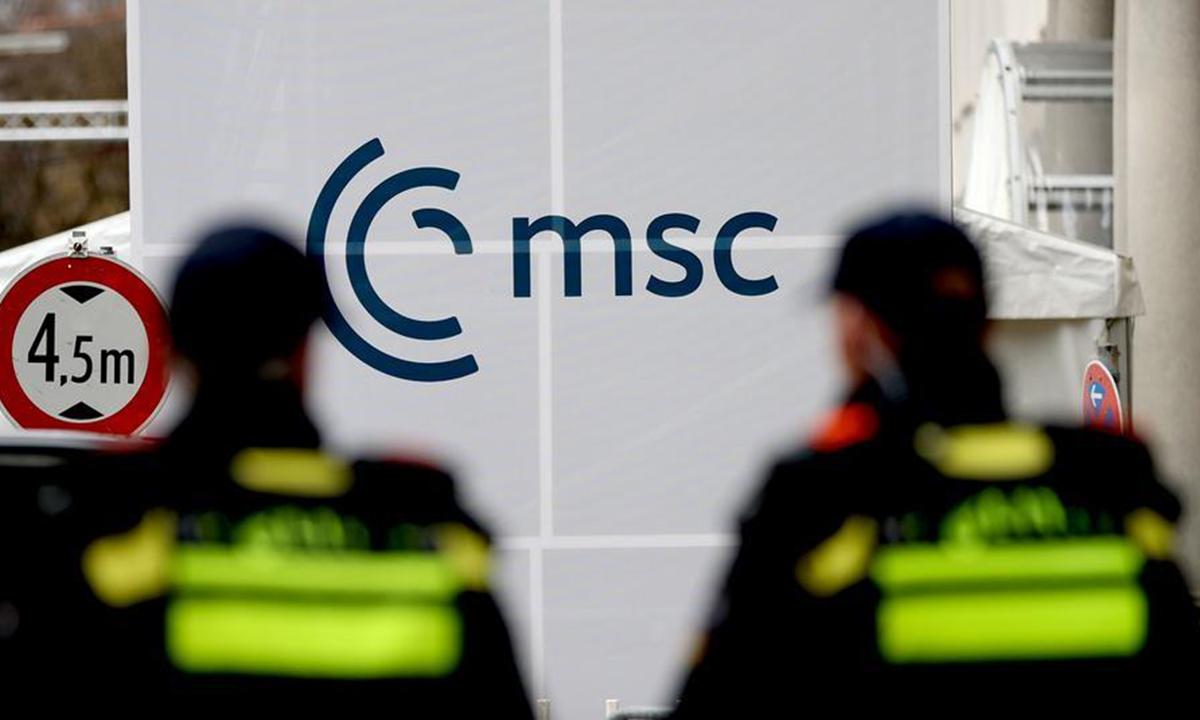
The gathering drew around 60–65 heads of state and nearly 100 foreign and defence ministers, underscoring the size and urgency of the debate.
Coverage Differences

Tone

Different outlets emphasize different emotional registers: Asian coverage (巴士的報) stresses the conference as dominated by "deepening transatlantic tensions" and Ischinger’s warning of an "inflection point", while Western mainstream outlets (bgnes, BBC) foreground concrete disputes—"US interest in Greenland" and "punitive US tariffs"—and attendance numbers to signal a crisis of trust; West Asian (Al‑Jazeera Net) coverage highlights specific political fallout such as the Vance controversy and Trump’s rhetoric toward Europe. Each source is reporting events and remarks rather than adopting a single editorial line.

Narrative Framing

Some outlets frame the conference as primarily about repairing US‑Europe ties (BBC, Daily Finland), while others present it as a broader reckoning with global rivalries and domestic politics (International Business Times, dw), which leads to varied emphasis on topics such as Ukraine, China, trade and culture‑war tensions.

Merz's transatlantic speech

German Chancellor Friedrich Merz dominated attention with a floor speech multiple outlets reported as a blunt diagnosis of transatlantic strain.

He said the post‑Cold War rules‑based order "no longer exists," blamed Russia’s war in Ukraine and China’s rise, and urged Europe to grow economically and militarily more self‑reliant while repairing trust with the United States.

Merz disclosed confidential talks with Emmanuel Macron about a European nuclear deterrent that would sit within NATO’s framework.

He framed NATO as a mutual advantage, saying "Being a part of NATO is not only Europe’s competitive advantage. It is also the United States’ competitive advantage."

Several reports noted his speech offered no technical proposals and included sharp, sometimes controversial, lines that drew attention across delegations.

Coverage Differences

Narrative Framing

Mainstream European sources (Daily Finland, El Mundo, BBC) highlight Merz’s call for strategic autonomy and his comment that the post‑1945 order 'no longer exists'; El Mundo additionally reports on Merz’s sharper rhetorical choices and controversial lines — presenting the speech as both strategic and culturally provocative — while thenationalnews frames Merz’s stance as a rejection of a US 'culture war' approach and a reaffirmation of climate and trade commitments.

Unique Coverage

El Mundo includes a striking, controversial concluding line from Merz’s speech not emphasised elsewhere — 'In case of war, let the women go' — which shapes perceptions of tone and provokes additional commentary; other outlets focus on strategic implications and the nuclear‑deterrent discussions without repeating that specific line.

U.S. at Munich summit

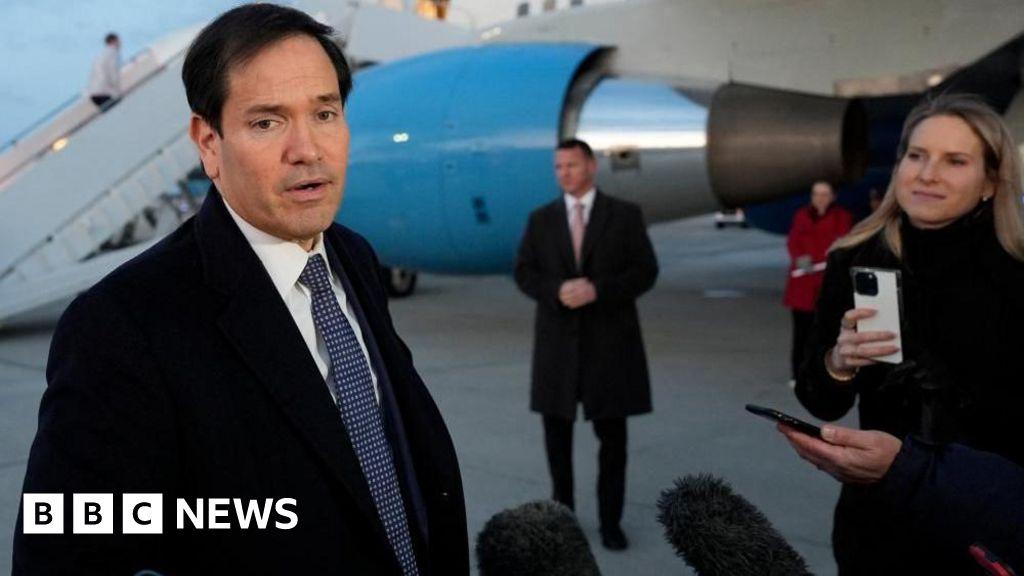
BBC and bgnes report that Marco Rubio led the U.S. delegation to Munich and cast the summit as a 'defining moment.'

Al‑Jazeera and dw document continued fallout from the previous year’s controversies, note Vice President J.D. Vance’s absence, and report that several U.S. figures defended Trump‑era policy positions.

dw reports U.S. Ambassador to the U.N. Michael Waltz defending 'Trump‑era cuts and reforms' and backing narrower multilateral initiatives, while European speakers and some U.S. domestic critics (dw cites Gavin Newsom) sharply criticized President Trump’s alignment with fossil‑fuel interests.

Several outlets record organisers’ efforts to limit platforms for far‑right invitees amid lingering tensions over free expression and democracy.

Coverage Differences

Tone

U.S.‑facing outlets (BBC, dw) report a mix of defensive U.S. rhetoric and Republican leadership at the conference—'defining moment' and defence of 'Trump‑era cuts'—whereas West Asian and alternative outlets (Al‑Jazeera Net, thenationalnews) emphasise diplomatic fallout such as Vance’s absence and European leaders’ irritation; sources are reporting different emphases rather than contradicting the basic facts of attendance and remarks.

Narrative Framing

Some outlets frame U.S. participation as asserting a push for burden‑sharing and UN reform (dw, BBC quoting Rubio), while others foreground political controversy and the diplomatic consequences of Trump’s rhetoric toward Europe (Al‑Jazeera Net); each source reports on quotes or reported actions by officials rather than attributing positions to the outlet itself.

Conference coverage and themes

Beyond transatlantic politics the conference convened urgent discussions on Ukraine, China, Iran and the future of multilateral institutions.

Reports characterise the Ukraine war as the "most glaring expression" of a changed era and say debates ranged from continued military and financial support to Kyiv to rethinking strategic dependencies on China.
International Business Times calls the meeting an 'urgent' convening to tackle multiple regional conflicts and economic instability.

bgnes and BBC also highlight talks about reducing dependence on Russian energy while managing U.S. LNG reliance.

Some sources note other items were also on the agenda or in other reporting — for example, AnewZ flagged stalled U.S.–Iran talks and even non‑security news such as a BMW recall — showing coverage differences in scope and topic selection.

Coverage Differences

Scope

While mainstream outlets (BBC, bgnes, Daily Finland) concentrate on defence, Ukraine and China, other outlets (International Business Times, AnewZ) include a broader set of items — economic instability, stalled U.S.–Iran talks, and even corporate recalls — indicating divergent editorial choices about what to foreground from the conference environment and surrounding news.

Missed Information

Some short summaries (AnewZ, Il Sole 24 ORE fragment) are incomplete or truncated and flag missing text (AnewZ explicitly notes a truncated Cuba item; Il Sole 24 ORE requests the article), so they do not provide the same level of detail on security topics as fuller dispatches like BBC or bgnes.

Transatlantic conference tensions

Organisers framed the conference as an opportunity to "repair ties" and re‑set transatlantic dialogue while warning of unprecedented challenges.

Wolfgang Ischinger, conference organisers and multiple leaders called for frank debate about burden‑sharing, NATO’s role, and the relationship between trade, climate and security.

At the same time, several sources record concrete tensions — talks of EU retaliation over tariffs, debates on a European nuclear option, and lingering controversies over far‑right invitations — that make immediate compromise difficult.

Reporting overall shows broad agreement about a diagnosis of a crisis of trust but differences in emphasis: some outlets stress strategy and institutions, others cultural and political controversies, and a few include peripheral stories about the conference atmosphere.
Coverage Differences

Consensus vs Emphasis

Nearly all sources agree there is a 'crisis of trust' and a need to repair transatlantic ties (巴士的報, BBC, bgnes), but they diverge on what is most urgent—strategic autonomy and NATO posture (Daily Finland, bgnes), trade and tariffs (bgnes), or political culture and free‑speech controversies (dw, Al‑Jazeera Net, El Mundo). Each source reports leaders’ statements and observed events rather than asserting facts beyond those reports.

Unique Coverage

A number of outlets include conference‑adjacent items: AnewZ mentions a BMW global recall and Il Sole 24 ORE and India Today fragments flag incomplete reporting, illustrating how some coverage mixed non‑security items or was truncated; these differences affect the perceived scope of the conference reporting.

All 16 Sources Compared

@globaltimesnews

No title found

Read Original

Al-Jazeera Net

Munich Conference opens, and the German chancellor warns of an 'age of power'.

Read Original

AnewZ

AnewZ on the ground: World leaders gather in Munich as transatlantic tensions dominate

Read Original

BBC

Rubio warns Europe of new era in geopolitics before big Munich speech

Read Original

bgnes

Munich Security Conference to open amid tense transatlantic relations

Read Original

Daily Finland

Merz urges US and Europe to 'repair and revive' alliance

Read Original

dw

MSC: Macron says world should take 'cue' from Europe

Read Original

El Mundo

Merz inaugurates the Munich Security Conference: 'Europe has just returned from a vacation from History'

Read Original

El Mundo

Merz inaugurates the Munich Security Conference: 'Europe has just returned from a vacation from History'

Read Original

Il Sole 24 ORE

Merz in Munich: the post-war order no longer exists, we need a sovereign Europe

Read Original

India Today

Rules-based world order no longer exists, German Chancellor Merz warns

Read Original

International Business Times

US Seeks To Reassure Allies As Munich Security Conference Opens Amid NATO, Ukraine Focus

Read Original

People's Daily Online

Munich Security Conference kicks off with transatlantic rifts in focus

Read Original

politico.eu

Germany’s Merz blasts ‘lost’ US leadership and says global order ‘no longer exists’

Read Original

thenationalnews

Germany and France push to close Europe's defence gap

Read Original

巴士的報

Transatlantic rifts dominate 1st day of Munich Security Conference

Read Original