Europe20 January, 20262 min read
European Parliament Suspends Ratification Of U.S. Trade Deal After Trump Threatens Tariffs Over Greenland
This article is an automated aggregation of coverage from news outlets. Our editorials offer in-depth analysis curated by the NewsCord team.
European Parliament suspends approval of EU–US trade agreement Suspension triggered by Trump's tariff threats over Greenland
7 outlets told this the same way.
Outlets did split on Azerbaijan Bars Hijab in Schools, Sparking Protests in Baku and Arrests →
EU–US trade deal pause
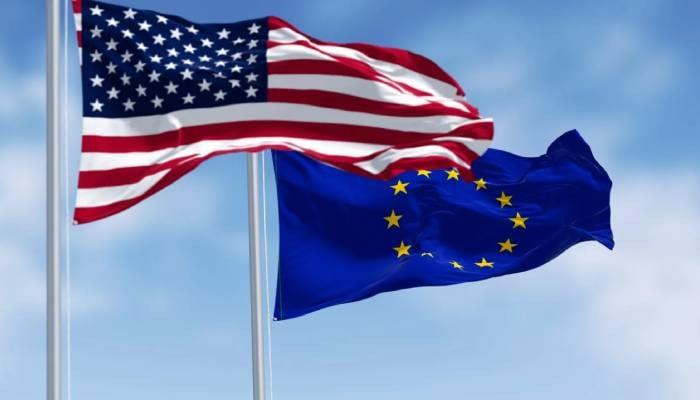
The European Parliament’s main political groups agreed to suspend ratification of the US–EU trade deal reached in July after President Donald Trump threatened tariffs in connection with his bid over Greenland, officials said. Lawmakers said the pause is intended as a warning to Washington and reflects concern that new US threats undermine the stability of EU–US trade cooperation.
“EU lawmakers have agreed to delay ratifying a key trade deal with the United States after President Donald Trump threatened tariffs over Greenland, the European Parliament's main political groups said.”
Committee sources and group leaders cited Trump’s comments as the direct reason for halting the planned vote. The suspension was announced in Strasbourg and will delay the committee vote that still must clear the Parliament before the Turnberry/July agreement can take effect.
July US-EU tariff deal
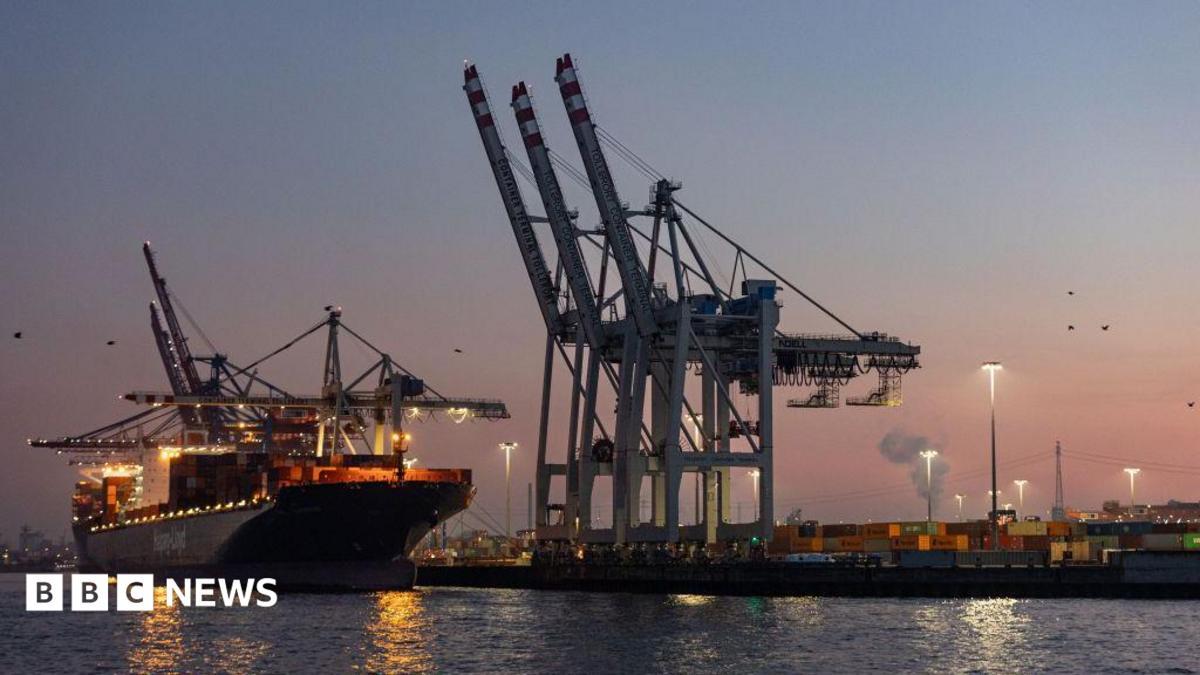
The deal struck in July — often referred to as the Turnberry agreement after the meeting in Scotland — would cap planned US tariffs on most EU imports at 15%, down from earlier threats of up to 30%. The agreement still requires formal approval by the European Parliament.
The International Trade Committee has not completed its review, leaving the package vulnerable to political developments such as the Greenland spat. Sources note the July deal traded lower US duties for increased European investments and measures to boost US exports.
EU reaction to US tariffs
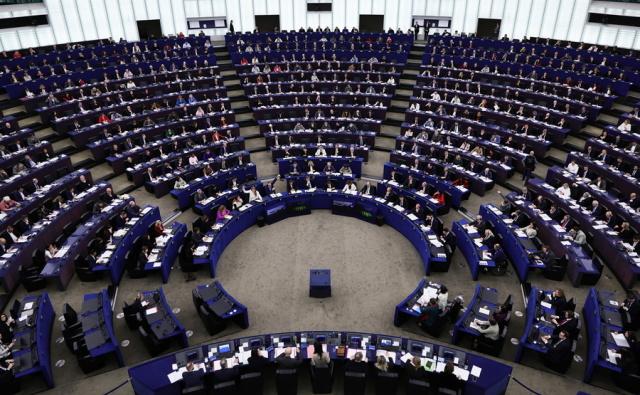
EU political leaders and parliamentary group heads framed the suspension as a defensive move and prepared a rapid response. European leaders scheduled an emergency summit to discuss options that could include pausing last year's deal. They considered imposing retaliatory tariffs on up to €93 billion of US goods.
“EU leaders will hold an emergency summit Thursday to discuss responses, which could include putting last year’s deal on hold and imposing up to €93 billion in retaliatory tariffs.”
Group presidents planned meetings in Strasbourg to weigh next steps. Commission President Ursula von der Leyen publicly called the announced US tariffs "misguided", and key MEPs such as Manfred Weber and Valérie Hayer explicitly tied the halt to Trump’s Greenland-linked threats.
Market reaction to escalation
Markets reacted sharply to the escalation. Reports said European stocks fell for a second day and major US indices slid, while investors sold long-term government debt.
Currencies moved too, with the euro and pound briefly climbing in some accounts and the euro rising 0.7% to $1.1731 in others. Several outlets linked the market moves directly to Trump’s Greenland bid and tariff threats, with detailed intraday figures listed in reporting based on market data and sources close to the trade committee.

EU-US tariff deadline
The EU suspended retaliatory tariffs on US goods worth about €93 billion while talks continued, but that reprieve is time-limited. Some outlets place the potential reinstatement of EU tariffs in early February unless the Parliament approves the deal or the reprieve is extended.
“Meanwhile the EU had suspended retaliatory tariffs on US goods worth €93 billion while talks continued. That suspension ends on February 6; unless it is extended or the Parliament approves the deal, EU tariffs on US products will take effect on February 7.”
US threatened levies were reported to start at 10% from 1 February and could rise to 25% by 1 June if demands tied to Greenland are not met. That leaves both sides holding leverage and creates a narrow window for diplomacy or escalation.