European Union Fines Elon Musk's X $140 Million Under Digital Services Act Over Deceptive Verification and Data Withholding

European Union Fines Elon Musk's X $140 Million Under Digital Services Act Over Deceptive Verification and Data Withholding

05 December, 202513 sources compared
USA

Key Points from 13 News Sources

  1. 1

    European Union fined X €120 million (about $140 million) under the Digital Services Act.

  2. 2

    Regulators found deceptive verification, insufficient ad transparency, and withholding of public researcher data.

  3. 3

    U.S. diplomats criticized the penalty, saying it strains transatlantic relations and shared security cooperation.

Full Analysis Summary

EU fines X under DSA

The European Union has fined Elon Musk's social platform X for breaching the bloc's Digital Services Act.

Regulators accused the company of deceptive verification practices.

They also cited inadequate transparency in advertising.

Officials said the company refused researchers access to public data.

Outlets reported the penalty at about $140 million, or €120 million in some reports.

Coverage Differences

Tone and emphasis

EconoTimes (Local Western) emphasizes the fine as intensifying a U.S.–Europe rift and frames U.S. officials’ reactions as sharp criticism describing the move as “censorship” and an “attack on American tech companies,” while South China Morning Post (Asian) highlights that this is the first major enforcement action under the DSA and details the regulatory findings (deceptive blue‑check verification, ad transparency, and researchers’ access). Digital Journal (Western Mainstream) focuses on the reported penalty amount and cites AFP. These reflect different angles: political/rift (EconoTimes), regulatory/first‑use (SCMP), and straightforward factual reporting (Digital Journal).

DSA enforcement action

Regulators said the action targeted X's verification system, known as the blue-check, as deceptive, and cited shortcomings in ad transparency plus a refusal to provide public data to researchers.

Reporting described the measure as the first major enforcement under the Digital Services Act and as aimed at ensuring compliance with transparency obligations.

Coverage Differences

Narrative detail

South China Morning Post (Asian) explicitly names the enforcement as the “first major enforcement action under the EU’s Digital Services Act” and lists the specific failings (deceptive blue‑check verification, poor advertising transparency, refusing researchers access). EconoTimes (Local Western) similarly lists the charges but places them within a geopolitical frame about U.S.–Europe tensions. Digital Journal (Western Mainstream) reports the fine and amount, relying on AFP, and is less focused on the regulatory novelty. The sources therefore differ on whether they foreground regulatory precedent (SCMP), geopolitical fallout (EconoTimes), or concise fact reporting (Digital Journal).

Fine amount reporting differences

Different outlets report slightly different monetary amounts: EconoTimes states the penalty as $140 million, Digital Journal records the fine as €120 million (noting this is about $140 million), and the South China Morning Post emphasizes the enforcement action and the violations rather than the currency conversion.

Coverage Differences

Fact framing

Digital Journal (Western Mainstream) provides the euro amount (€120 million) and parenthetically converts it to about $140 million, whereas EconoTimes (Local Western) reports the figure in dollars ($140 million) outright. South China Morning Post (Asian) emphasizes the regulatory action and list of violations rather than highlighting the exact currency figure. The variance is a presentational difference (currency and rounding) not a contradiction about the enforcement itself.

U.S. reactions to fine

EconoTimes reports top U.S. officials sharply criticized the move, calling it censorship and an attack on American tech companies.

South China Morning Post names specific American critics — including Landau, Senators Marco Rubio and J.D. Vance, and FCC Chair Brendan Carr — and frames Washington’s objections as reflecting broader concerns about European digital rules’ impact on American tech firms.
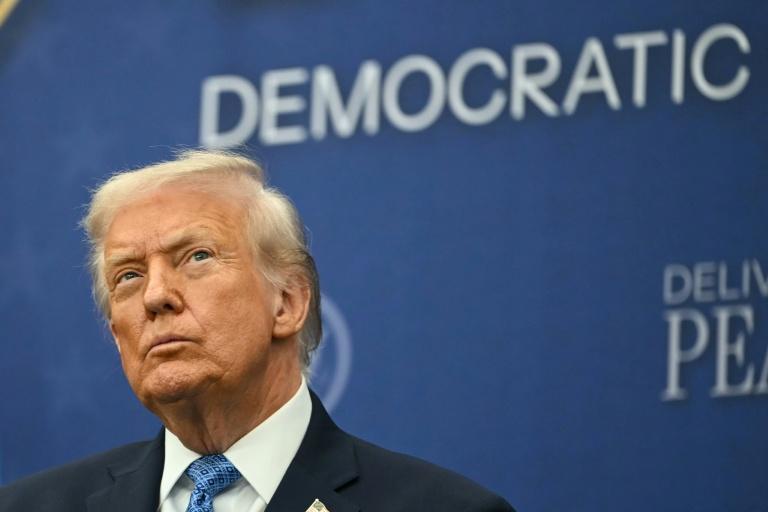
Digital Journal’s brief report relays the fine amount via AFP and does not foreground U.S. political pushback.

Coverage Differences

Source emphasis and sourcing

EconoTimes (Local Western) frames the reaction as intensifying a U.S.–Europe rift and uses strong language quoted in its snippet about censorship and attack on American tech. South China Morning Post (Asian) reports named critics and contextualizes the objections as part of a wider Washington concern about the effects of European digital regulation on American companies; Digital Journal (Western Mainstream) is more terse and sticks to the AFP reporting of the fine amount without detailing political responses. The difference shows EconoTimes’ focus on geopolitical fallout, SCMP’s detailed naming of critics, and Digital Journal’s straight fact reporting.

EU DSA fine coverage

Taken together, the sources present a consistent core account: regulators fined X under the DSA for deceptive verification, ad-transparency failures, and blocking researcher access.

EconoTimes foregrounds geopolitical friction and uses strong U.S. political language.

South China Morning Post stresses regulatory precedent and names the U.S. critics.

Digital Journal delivers a concise, AFP-sourced monetary report.

Where the pieces diverge is largely in framing and detail, not on the central finding that the EU imposed a penalty for those violations.

Coverage Differences

Summary and framing

All three sources agree on the enforcement action and the cited violations, but they differ in framing: EconoTimes (Local Western) presents the story through the lens of U.S.–EU tensions and quotes strong U.S. criticism; South China Morning Post (Asian) frames it as a seminal regulatory enforcement and catalogs named U.S. critics; Digital Journal (Western Mainstream) focuses on the fine amount as reported by AFP, offering less commentary on reactions. This demonstrates how source_type influences narrative emphasis and the presence or absence of political context.

All 13 Sources Compared

Al-Jazeera Net

Trump's new strategy... How does America maintain its national security?

Read Original

CPG Click Petróleo e Gás

Trump's new security strategy recentralizes US power in Latin America, resurrects the Monroe Doctrine, promises to contain China, harden borders, pressure Maduro, combat mass migration, and transfer defense responsibilities to allies in Europe and East Asi

Read Original

Daily Mail

Trump warns European nations are under threat of 'civilisational erasure' and will be 'unrecognisable' within the next 20 years

Read Original

Digital Journal

New Trump strategy vows shift from global role to regional

Read Original

EconoTimes

U.S.-EU Tensions Rise After $140 Million Fine on Elon Musk’s X Platform

Read Original

Folha de S.Paulo

The US prioritizes Latin America and revives the Monroe Doctrine in a new national security plan.

Read Original

Harici

New US national security strategy: The end of globalization and the return of the Monroe Doctrine

Read Original

South China Morning Post

EU’s US$140 million fine on Musk’s X riles Rubio’s deputy, stoking tensions

Read Original

The Record from Recorded Future News

On cyber, Trump’s national security strategy emphasizes industry and regional partners

Read Original

The Times of India

Wendy Ortiz spared red carpet interview after revealing her anxiety over StableRonaldo feud

Read Original

The Washington Post

Trump warns of European ‘civilizational erasure’ in realigned national security strategy

Read Original

voz.us

Trump presents new National Security Strategy: America First; war on woke, illegal immigration, and drug trafficking; restoring Europe's values and reestablishing US preeminence in Latin America

Read Original

www.israelhayom

New Trump strategy shifts US focus from Middle East and pressures Europe on defense

Read Original