Iran-Israel10 January, 20263 min read
Exiled Crown Prince Reza Pahlavi Calls for Continued Mass Protests Across Iran
Reza Pahlavi urged protesters to seize and hold city centres and vowed to return Nationwide protests spread to all 31 provinces amid near-total internet blackout and overwhelmed hospitals

28 outlets told this the same way.
Outlets did split on U.S. Intercepts Iran Message Activating Sleeper Cells After U.S.-Israel Strike Kills Khamenei →
Calls for protests in Iran
Exiled crown prince Reza Pahlavi has publicly called for continued mass protests across Iran, urging opponents of the clerical leadership to sustain demonstrations that began in late December and spread nationwide. Multiple sources describe these protests as driven by economic hardship and broad anti-regime sentiment. DW says Iran "has seen nearly two weeks of mass anti-government protests over economic hardship and opposition to the clerical regime."
“Iran has seen nearly two weeks of mass anti-government protests over economic hardship and opposition to the clerical regime, with demonstrations spreading from Tehran to cities like Tabriz.”
Newsweek reports the unrest "turned into broad anti-regime demonstrations, with crowds chanting against Supreme Leader Ayatollah Ali Khamenei and reviving praise for exiled claimant Reza Pahlavi." Al Jazeera quotes Pahlavi calling on opposition forces to "prepare to seize and hold city centres" and reporting he "plans to return to Iran soon." The Indian Express and Hindustan Times link the wave to a currency crash and a call to protest by Pahlavi, describing the unrest as widespread across provinces and cities.

Security crackdown and casualties
Authorities have responded with a severe security crackdown, widespread arrests and a near-total communications blackout that has made independent verification difficult. Several sources report mass detentions and deaths. Hindustan Times cites authorities saying at least 42 people have died and more than 2,270 have been detained.
Al Jazeera cites Norway-based Iran Human Rights saying security forces have killed at least 51 people. Tovima reports HRANA saying at least 65 people have been killed and more than 2,300 detained. BBC, CNA and The Independent all note that communication restrictions, including an internet and international-call blackout that firms such as Cloudflare and NetBlocks described as deliberate, have hindered independent confirmation of casualty figures.

Media portrayals of Pahlavi
Reza Pahlavi's role is portrayed differently across outlets: some depict him as a symbolic rallying figure who has helped mobilize demonstrators, while others stress the protests are largely leaderless and driven by young people. DW reports that analysts see him as having significant support inside Iran, though not all protesters back him; Newsweek describes him as a symbolic rallying figure; and tovima published an exclusive interview with a longtime confidant and strategic adviser, highlighting a monarchist organizational angle. By contrast, The Indian Express and other outlets emphasize a largely leaderless youth movement protesting social controls, foreign policy, and the clerical establishment.
“Exiled Crown Prince Reza Pahlavi has called for more weekend action and is seen by analysts as having significant support inside Iran, though not all protesters back him; monarchists benefit from having a prominent public figure.”
International reactions to Iran unrest
International reactions and diplomatic responses vary in tone and implied threats.
Several Western outlets reported strong criticism of Tehran's actions and warnings from foreign leaders, while Iran denounced foreign interference.
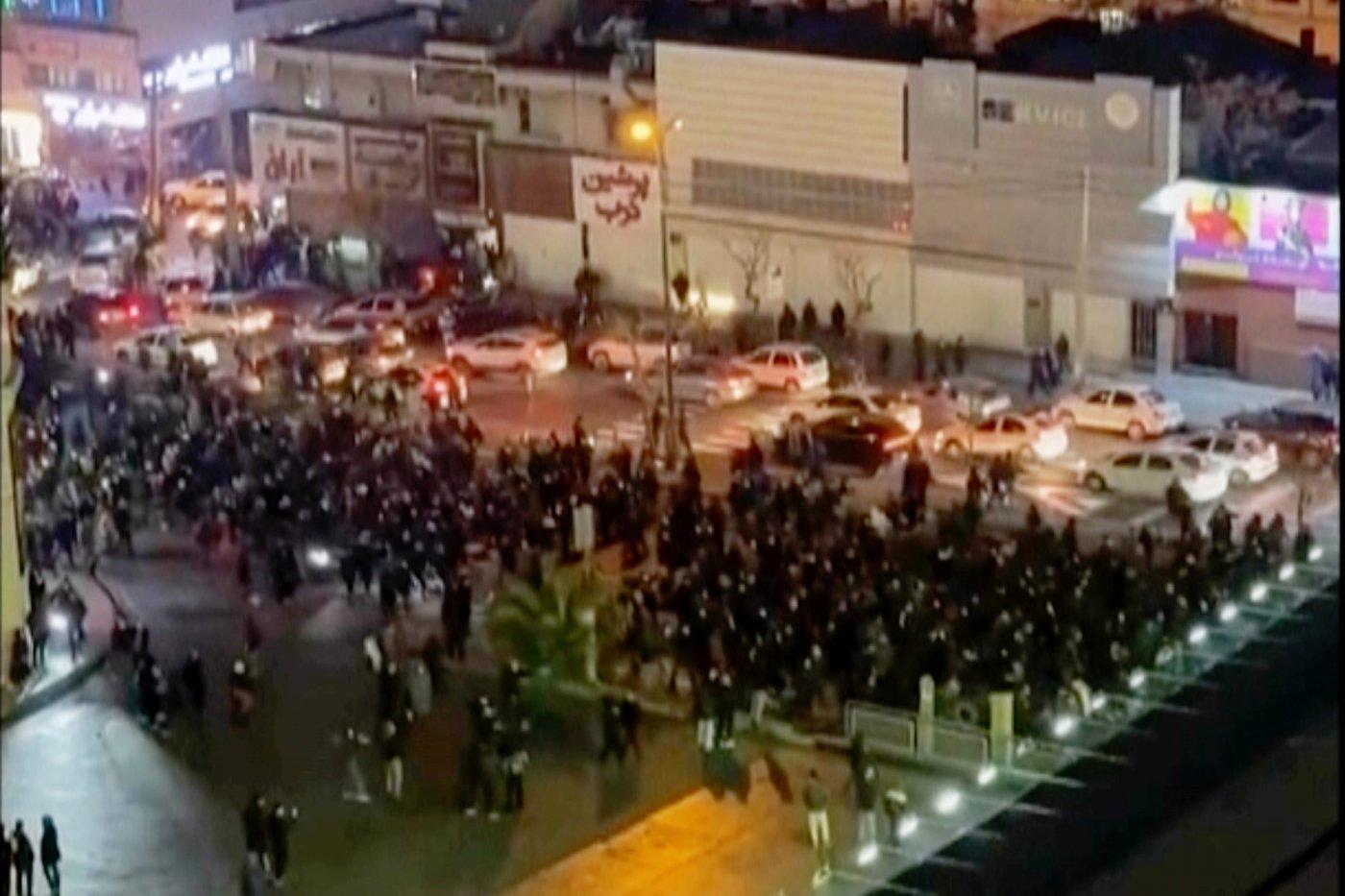
Newsweek and News24online highlighted U.S. President Donald Trump's warnings, with Newsweek saying he warned of a 'hard' response and threatened strikes and News24online reporting Washington could carry out military strikes if Iranian authorities kill demonstrators.
European and UN actors urged protection of protesters and restoration of internet access, while Iranian leaders accused foreign plots and some state media labelled demonstrators 'terrorist agents' or 'vandals'.
Coverage of unrest and uncertainty
Reports portray the situation on the ground as urgent but uncertain, with multiple outlets describing hospitals overwhelmed and scenes of arson and clashes. Outlets warn that exact conditions and casualty counts are unclear because of a communications shutdown. The Jerusalem Post quotes doctors saying hospitals recorded about 217 dead and were overwhelmed, while BBC and The Independent stress independent verification is limited and BBC Persian has verified 26 deaths.
“A Tehran doctor cited by TIME said hospitals have recorded about 217 dead, most from live ammunition, and that authorities are removing bodies; BBC sources described hospitals in Tehran (including Farabi eye hospital) and Shiraz overwhelmed with gunshot victims and short of surgeons.”
The Daily Mail and The Independent report security forces firing on protesters, and state TV denounces demonstrators as 'vandals' and 'saboteurs'. Analysts describe the unrest as one of the most serious domestic challenges to the clerical system in years, but blackouts and competing tallies mean precise facts remain contested.
