Full Analysis Summary
FAA response to cargo crash
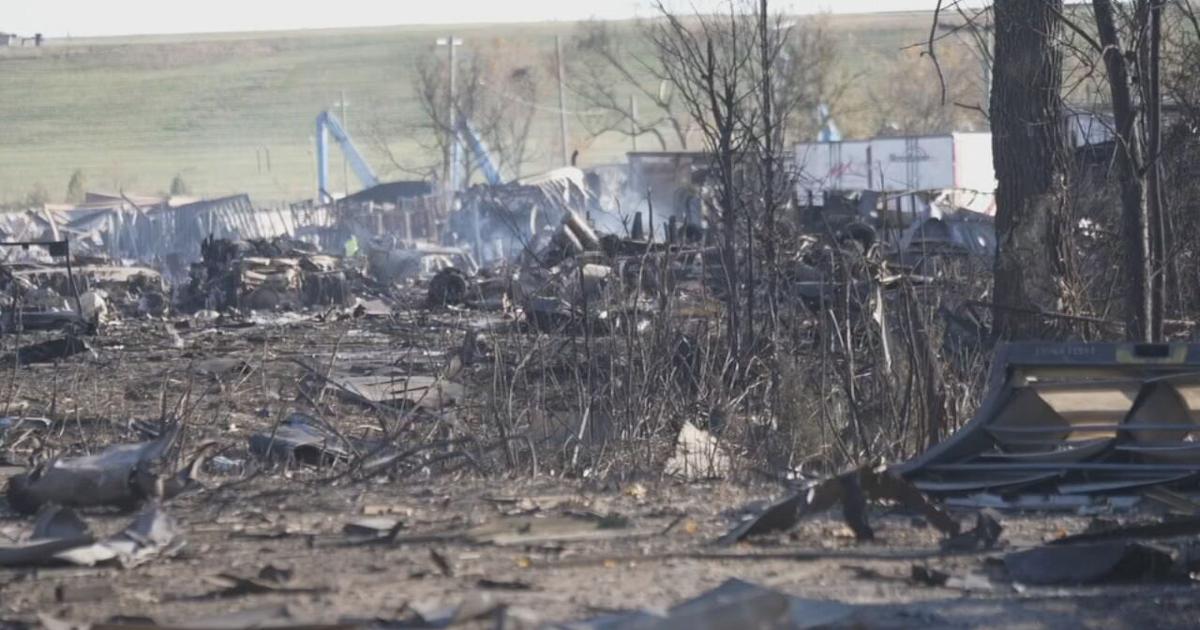
Federal aviation regulators moved quickly after the Nov. 4 crash of a UPS MD-11 cargo jet in Louisville, grounding aircraft and issuing sweeping inspection orders.
The Federal Aviation Administration initially grounded MD-11 aircraft on Nov. 8 following the accident in which the left engine and pylon separated during takeoff and killed 14 people.
On Nov. 14 it issued an Emergency Airworthiness Directive requiring inspections of related MD-10 and DC-10 models.
Local reporting framed the action as an expansion of safety measures aimed at preventing the same unsafe condition from leading to 'loss of continued safe flight and landing'.
Coverage Differences
Tone and emphasis
WDRB (Local Western) emphasizes the FAA’s safety-action expansion and the agency’s language about a potential unsafe condition that could cause loss of flight, WAVE News (Other) reports the same regulatory steps but places more emphasis on naming the flight (UPS Flight 2976) and the investigative threads, while kare11 (Other) contributes local context about UPS’s Louisville hub rather than technical safety details.
FAA inspection expansion
The FAA’s Emergency Airworthiness Directive broadened inspections beyond MD-11s to include various MD-10 and DC-10 family models that may share the same unsafe condition.
WAVE News published a detailed model list for the Nov. 14 expansion, naming examples like MD-10-10F, MD-10-30F and DC-10 variants such as DC-10-30 and DC-10-40F.
WDRB emphasized the agency’s safety rationale that the identified condition could lead to loss of flight control and unsafe landings.
Coverage Differences
Level of technical detail
WAVE News (Other) supplies an explicit list of affected models in the expanded grounding, whereas WDRB (Local Western) focuses on the FAA’s safety imperative and the language about potential loss of flight; kare11 (Other) does not delve into specific airframe models and instead underscores the local operational importance of the Louisville hub.
Aircraft accident investigation
Investigators have launched a formal probe into the cause of the accident.
WAVE News reports the National Transportation Safety Board is investigating.
WAVE cited a former NTSB investigator who said a final report could take about two years.
That same WAVE reporting notes a WAVE Troubleshooter probe found recent repairs for corrosion and a crack in the aircraft in September and October.
FAA records show a pylon crack was repaired in 2019.
Local and regulatory coverage has focused on immediate inspections and grounding to prevent any repeat of the failure while the NTSB works toward a full determination.
Coverage Differences
Investigative detail vs. regulatory focus
WAVE News (Other) includes investigative specifics — the NTSB timeline estimate from a former investigator and the Troubleshooter findings about recent corrosion and crack repairs — while WDRB (Local Western) emphasizes the FAA’s directive and potential unsafe condition without listing repair history; kare11 (Other) provides local economic context and does not report investigative technical details.
Historical crash context
Some coverage places the crash in historical context: WAVE News explicitly links the event to the 1979 American Airlines Flight 191 DC-10 crash, noting that the crash killed 273 people and was blamed on improper maintenance, which prompted wide groundings and inspections before aircraft returned to service.
That historical parallel appears in WAVE's reporting but is not present in WDRB or KARE11 snippets, underscoring WAVE's focus on investigative and historical comparison.
Coverage Differences
Historical framing
WAVE News (Other) draws a direct historical parallel to the 1979 Flight 191 DC-10 accident and the role of maintenance in that crash, while WDRB (Local Western) concentrates on current FAA directives and safety language and kare11 (Other) focuses on the hub’s scale and regional impact without the historical comparison.
Local impact of UPS hub
Local economic and operational impact is a consistent underlying theme.
Louisville's UPS hub is the carrier's largest, with more than 20,000 regional employees and roughly 300 flights a day handling over 400,000 packages per hour.
This scale helps explain why the crash and the FAA's grounding and inspections have wide logistical and community consequences.
WDRB's local coverage and the AP material cited by kare11 frame the grounding as a serious local concern.
WAVE's reporting focuses on technical inspections and investigative leads.
Coverage Differences
Local impact vs. technical investigation
kare11 (Other) and WDRB (Local Western) highlight the hub’s scale and the immediate community/regional implications of grounding aircraft, whereas WAVE News (Other) centers on technical inspections, repair history and the NTSB’s probe — showing different editorial priorities: local impact versus investigative detail.