Technology and Science27 May, 20262 min read
FAA Orders SpaceX To Investigate Starship V3 Booster Failure After Flight 12 Mishap
This article is an automated aggregation of coverage from news outlets. Our editorials offer in-depth analysis curated by the NewsCord team.
FAA orders SpaceX-led mishap investigation into Starship V3 booster failure. Super Heavy booster separated and was lost during return after Flight 12.
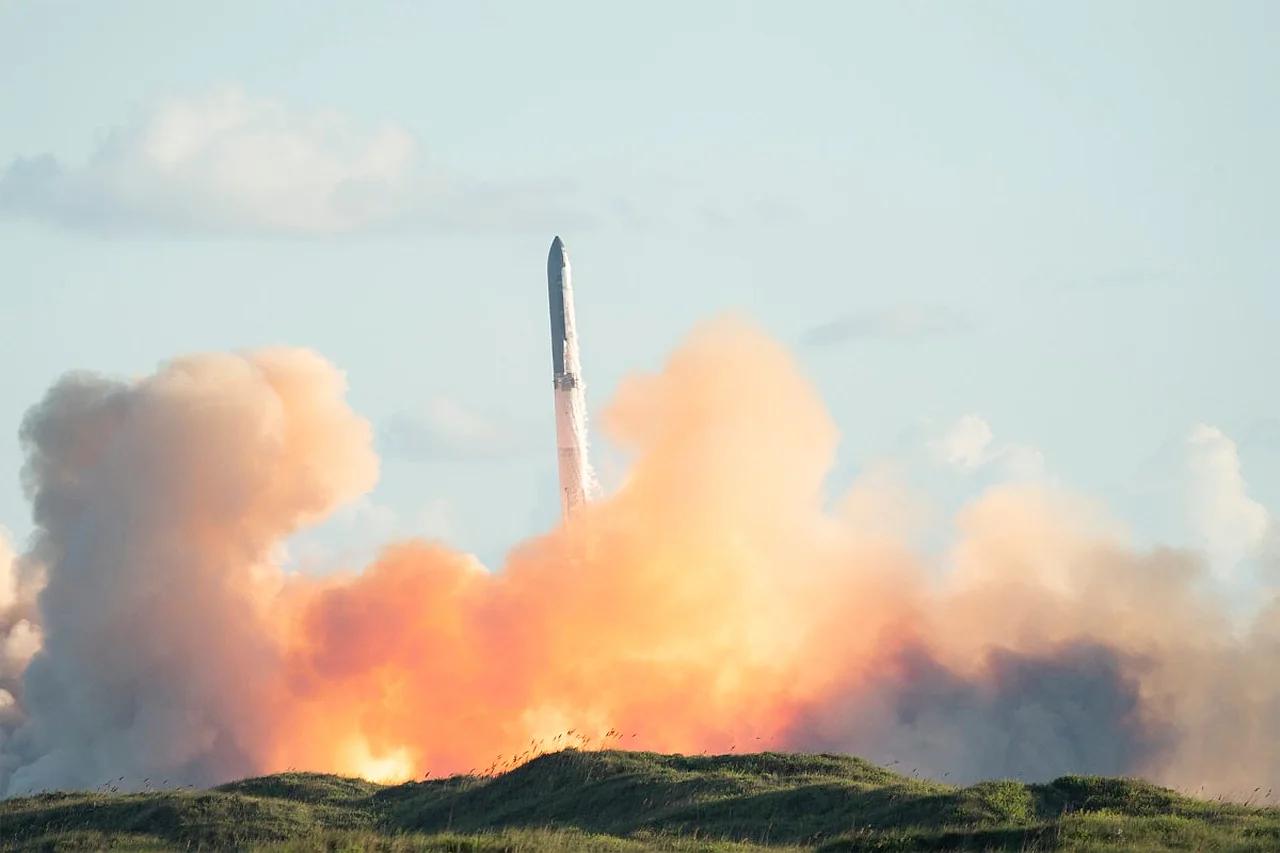
FAA grounds Starship V3
The U.S. Federal Aviation Administration ordered SpaceX to investigate why a booster for its Starship rocket system failed during a test flight on Friday, grounding the megarocket for a time.
“After a thorough assessment of the operation, the FAA has determined the May 22 SpaceX Starship Flight 12 launch resulted in a mishap.”
The FAA said the incident was a "mishap" involving the Super Heavy first-stage booster as it separated from the main ship and returned to the Gulf of Mexico after launch.

SpaceX said the booster was supposed to perform a sustained burn to a controlled landing in the gulf, but a possible engine failure meant it fell back to Earth instead in a "hard splashdown."
The FAA said there were "no reports of public injury or damage to public property" from the mishap, and it would oversee the SpaceX-led investigation and approve the final report, including corrective actions.
Spaceflight Now said the FAA made the determination after analyzing Starship Flight 12, which took place on Friday, May 22, and required the mishap investigation before resumption of Starship launches.
What went wrong
Spaceflight Now said that during the ascent phase of the mission, one of the 33 Raptor V3 engines on the Super Heavy booster, tail number Booster 19, went out about 1 minute and 42 seconds into the ascent. It said SpaceX began intentionally shutting down engines as it progressed towards stage separation, and that the staggered shutdown brought the booster from 32 down to five engines burning before stage separation began. SpaceX’s on-screen graphics showed 12 out of 13 center engines ignited at the 2 minute, 32-second mark, but as the outer ring started re-igniting several engines were shown to be out, which was not the plan.
During the broadcast, Dan Huot of the SpaceX communications team said, "We are not seeing as many booster engines ignited as we expected for boostback, but we are seeing six good engines on ship." SpaceX wrote that after stage separation the Super Heavy booster attempted its boostback burn but "performed a partial boostback burn that ended early," leading to a hard splashdown in the Gulf of America.

Return-to-flight and timing
The FAA said a return to flight of the Starship-Super Heavy vehicle is based on the agency determining that any system, process, or procedure related to the mishap does not affect public safety. UPI reported that this means another launch is less likely before the company's planned initial public offering in June, TechCrunch reported. Flying Magazine said the FAA’s mishap determination would keep Starship grounded until SpaceX completes an investigation, and it noted that in the past such pauses have typically taken months.
“A return to flight of the Starship-Super Heavy vehicle is based on the FAA determining that any system, process, or procedure related to the mishap does not effect public safety.”
It also said the FAA could issue an earlier return-to-flight determination as it did for Starship Flight 8 in March 2025, before SpaceX completed its inquiry into January’s Flight 7 anomalies. TechCrunch added that the FAA ordered SpaceX to pause any further Starship test launches until the investigation is completed and the results are submitted to the FAA for approval, diminishing the chance that another will occur before the company’s anticipated IPO in mid-June.