Business07 November, 20253 min read
FAA Orders U.S. Airlines to Slash Flights Amid Government Shutdown, Grounding Thousands of Passengers
FAA ordered U.S. airlines to reduce flights by up to 10% at 40 major airports. Flight cancellations began November 7, affecting hundreds daily across major carriers.

13 outlets told this the same way.
Outlets did split on CATL Starts Trial Production at Debrecen Battery Cell Plant in Hungary →
FAA Flight Reductions Amid Shutdown
Amid the ongoing U.S. government shutdown, the FAA ordered phased cuts to domestic air traffic at 40 major airports. The reductions started with a 4% cut on November 7 and are expected to rise toward 10% next week. These cuts have triggered hundreds of cancellations and widespread disruption.
“The FAA ordered a phased reduction starting with a 4% cut on November 7, increasing to 10% by November 14.”
Asian outlet Dimsum Daily details the timetable and airline-specific cuts, noting Delta planned 170 cancellations on Friday, Southwest 120, and United about 4% of its weekend schedule. International flights remain unaffected by these reductions. NewsX reports more than 800 U.S. flights were canceled on November 7 and warns the reduction could reach 10% next week, potentially affecting up to 4,000 daily flights.

Western Mainstream NBC News similarly notes the FAA’s 4% reduction now, with cancellations expected to rise to 6% on Tuesday and 10% by next Friday. ABC reports 814 cancellations early Friday and says the FAA is reducing capacity by up to 10% at 40 major airports to manage staffing shortages.
Airline Passenger Protections
Airlines pledged passenger protections as the cuts rolled out. NBC News reports carriers are offering refunds, vouchers, and rebooking options as mandated by the Transportation Department. NewsX says airlines have pledged full refunds for affected passengers.
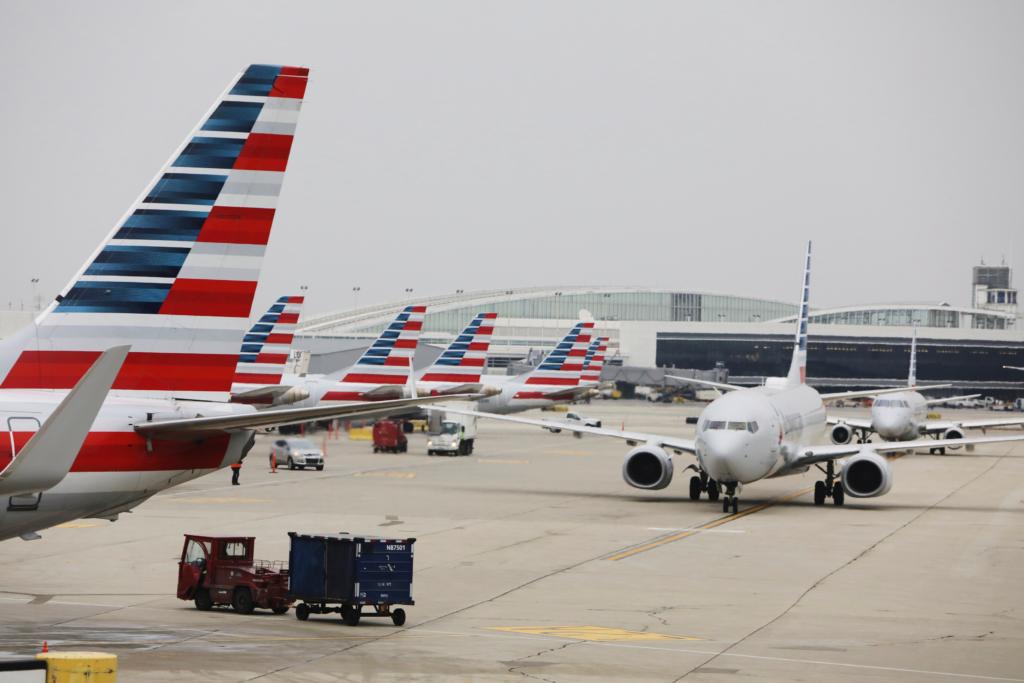
Dimsum Daily adds that airlines promised flexibility on changes and refunds, with American saying most travelers would not be impacted. CBS News highlights enforcement and compliance details from the DOT order, including fines up to $75,000 per excess flight for major airlines and restrictions on commercial space launches. CBS News also advises travelers on practical steps like monitoring apps and packing essentials.
Air Traffic Controller Staffing Cuts
Safety and staffing realities underpin the cuts. NBC News reports the reductions aim to address air traffic controller fatigue, noting many have taken second jobs due to pay uncertainties. Union leaders insist safety remains paramount.
“The cuts aim to address controller fatigue, as many have taken second jobs due to pay uncertainties during the shutdown. Despite exhaustion, union leaders assure that safety remains a priority...”
ABC says the FAA is reducing capacity by up to 10% at 40 airports to manage staffing shortages. NewsX attributes the measures to a controller shortage amid the shutdown.
South China Morning Post underscores that many controllers are working without pay during the shutdown. The decision is tied to a directive attributed to the Trump administration.
Flight Cancellations and Impacts
Coverage varies on the scope and impacts at the airline level. NewsX lists affected hubs including New York, Los Angeles, and San Diego. CBS News breaks down carrier actions: Southwest and American each reducing about 4% of schedules.
Southwest is canceling 120 flights on Friday and fewer than 100 on Saturday. American is cutting around 220 flights daily but still operating about 6,000 flights daily. Alaska Air expects only a few dozen cancellations.
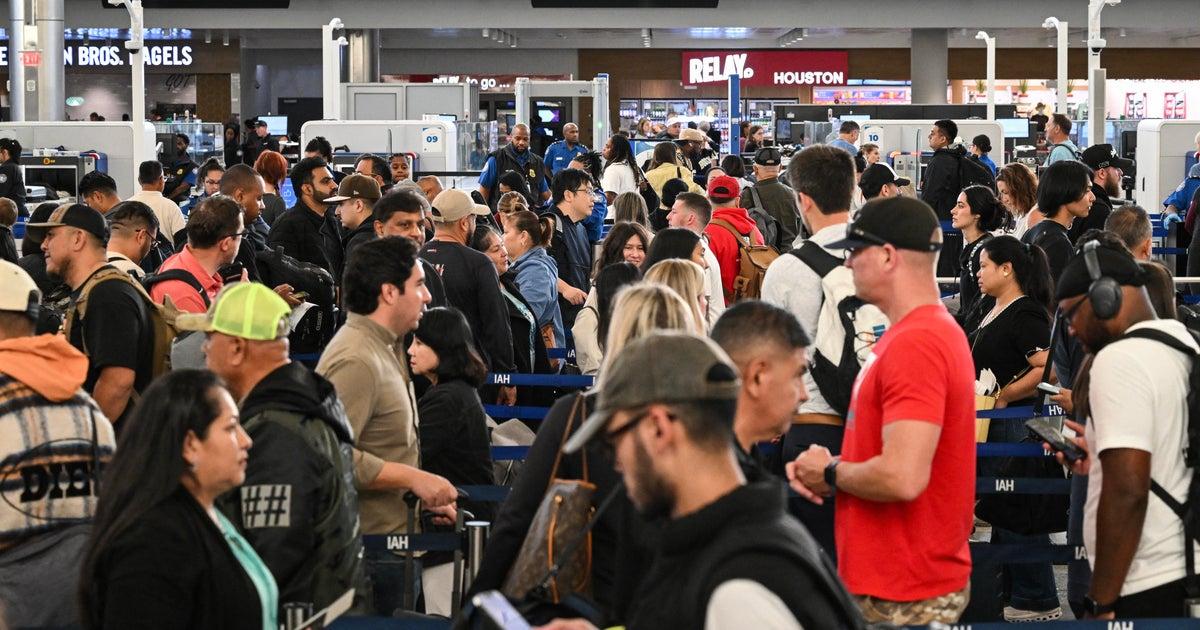
Dimsum Daily adds that United will cut about 4% of its weekend flights. ABC notes that major carriers are canceling hundreds of flights through the weekend but expect to accommodate most passengers on alternate flights.
Airline Industry Impact and Coverage
Financial and industry implications are emphasized most strongly by Western Alternative coverage. TradingView reports airline stocks fell on the FAA announcement, estimating 3,500 to 4,000 daily flights could be cut and warning of spillover effects to aircraft parts makers, shippers, and service providers. TradingView also argues the pullback may be a buying opportunity given long-term demand trends and prior 2024 gains in airline ETFs.
“The FAA has announced progressive flight capacity reductions of 4% to 10% at 40 major U.S. airports... cuts will reduce flights by 3,500 to 4,000 daily, impacting airline revenues and profitability.”
Mainstream coverage focuses more on near-term safety and disruption. NBC highlights controller fatigue and union safety assurances. NewsX and CBS track cancellations and carrier-level adjustments.
