Technology and Science22 April, 20269 min read
FAO And WMO Warn Extreme Heat Is Pushing Global Food Systems Toward Failure
This article is an automated aggregation of coverage from news outlets. Our editorials offer in-depth analysis curated by the NewsCord team.
Extreme heat threatens global agrifood systems and over a billion people's livelihoods. Heatwaves are increasing in frequency, intensity, and duration, harming crops, livestock, and fisheries.
Heat rewrites food security
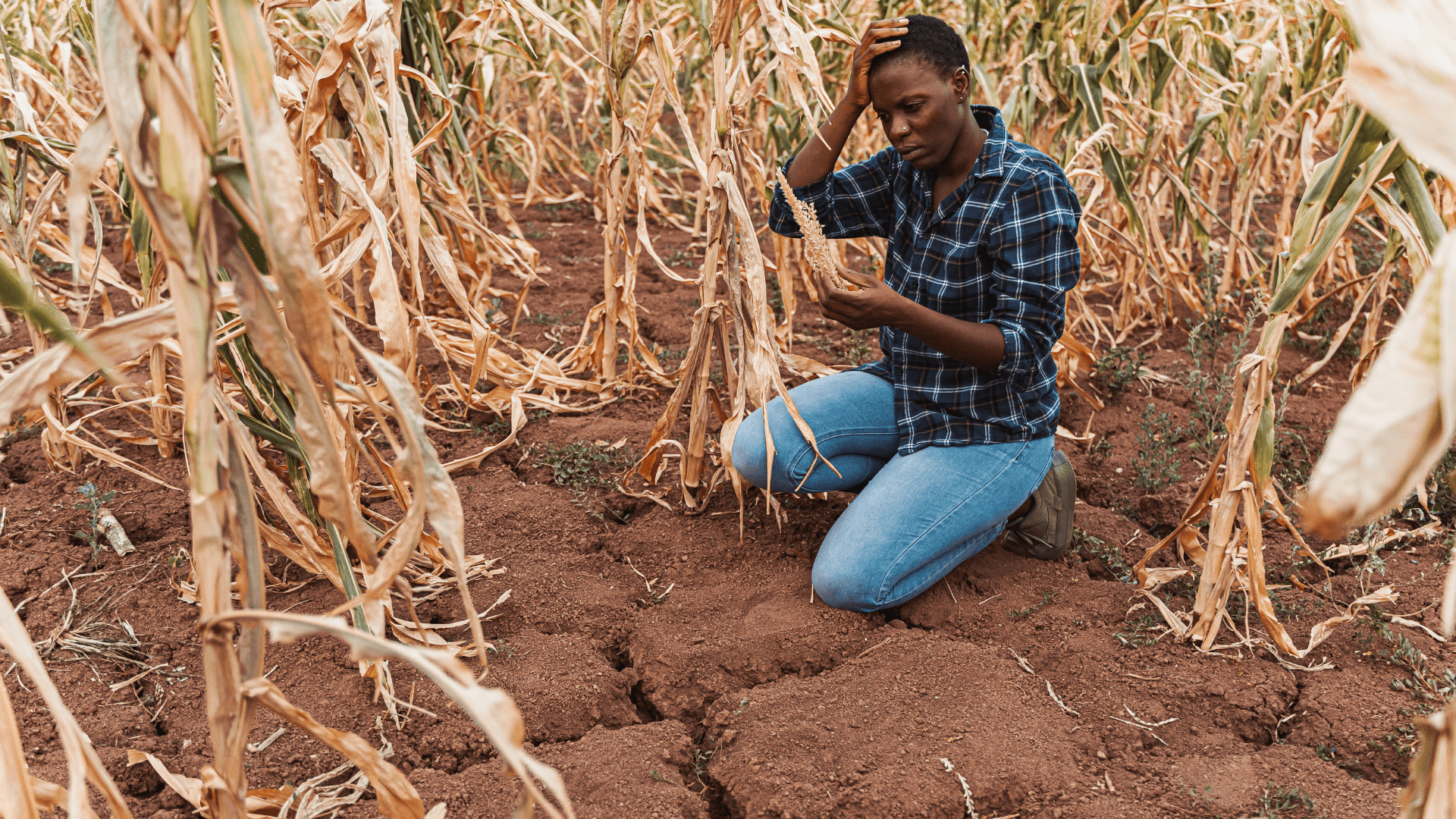
A new joint report by the Food and Agriculture Organization (FAO) and the World Meteorological Organization (WMO) warns that extreme heat is already rewriting how food is produced and is pushing agrifood systems toward failure. Climate Home News frames the problem around thermal limits, saying that “Every crop, every animal and every fish has a thermal limit,” and that for key agricultural species “the danger zone often sits between 25 and 35°C at the moments that matter most, such as flowering and reproduction.” The same article says that as climate change drives more days into the mid-40s°C in major breadbaskets, those limits are already being crossed, producing “lower yields, weaker livestock, stressed fisheries, higher fire risk and farmworkers – the backbone of the system – forced into unsafe conditions.”
UN News similarly reports that the joint report finds extreme heat is already causing “half a trillion work hours to be lost each year,” with impacts set to intensify as temperatures rise. Channel Africa adds a specific framing of labour loss, saying the report says extreme heat is driving “the loss of around 500 billion work hours each year.”

Voice of Nigeria describes the report as warning that rising temperatures are pushing food production and rural livelihoods “to the brink,” and says the report highlights extreme heat events endangering “crops, livestock, fisheries, and the people who depend on them.” Across the coverage, the report’s central claim is that heat is not just a weather hazard but a compounding risk that threatens production, livelihoods, and health at the same time.
Thresholds, yields, and losses
The report’s warning is grounded in temperature thresholds and measurable impacts on crops, livestock, fisheries, and forests. Climate Home News says that for key agricultural species “the danger zone often sits between 25 and 35°C at the moments that matter most, such as flowering and reproduction,” and it adds that “For key agricultural species, the danger zone often sits between 25 and 35°C” while “As climate change drives more days into the mid-40s°C in major breadbaskets, those limits are already being crossed.” It also provides quantified damage pathways, including that “beef cattle mortality reached as high as 24% in some documented heatwaves” and that “Marine heatwaves were linked to an estimated $6.6 billion loss in fisheries production.”
The Guardian describes how heat affects work and production simultaneously, saying farmers could find it “impossible to work safely for as many as 250 days of the year – more than two-thirds of the time” in already hot regions, and it ties livestock stress to temperatures “at about 25C.” The Guardian also reports that “Yields begin to decline at temperatures above 30C for most agricultural crops,” and it adds that “The yields of maize in some areas have declined by about 10%,” while “Wheat has fallen by nearly as much.” UN News similarly states that “For many major crops, yields begin to decline above 30°C (86°F),” and it says livestock experience stress at even lower temperatures, “particularly pigs and poultry, which cannot cool themselves efficiently.”
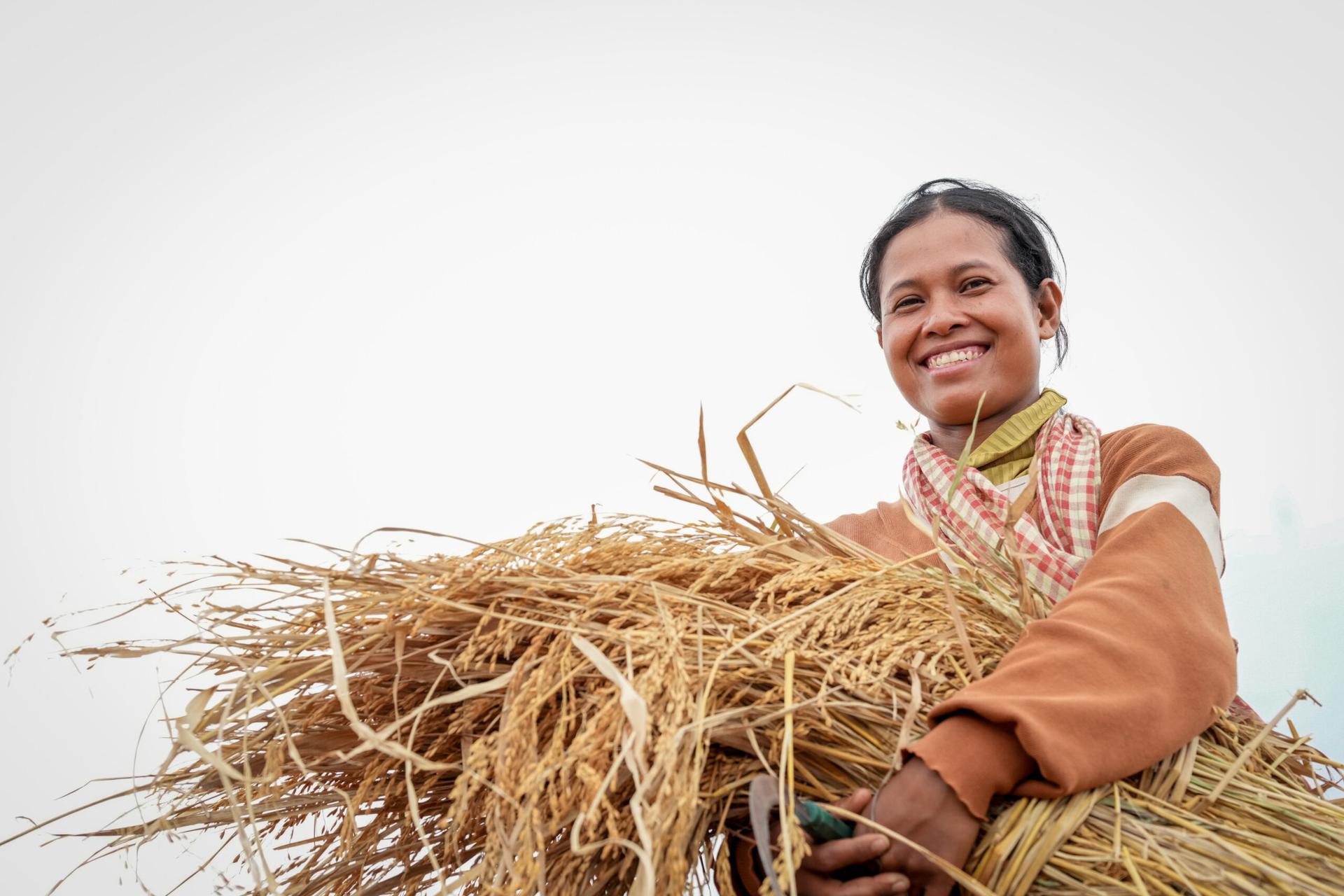
Al-Jazeera Net adds a yield sensitivity estimate, citing Reuters and Kaveh Zahedi, saying “every one-degree rise in the global average temperature reduces yields of maize, rice, soybeans, and wheat by about 6%.” Together, the articles portray a system where heat pushes multiple thresholds at once—reducing yields, stressing animals, degrading fisheries through oxygen loss, and undermining the ability of people to work safely.
Voices from UN and farmers
The report’s message is carried through direct statements from UN leadership and through voices of farmers and advocates describing what heat means in daily life.
UN News quotes WMO Secretary-General Celeste Saulo saying extreme heat is “a compounding risk factor that magnifies existing weaknesses across agricultural systems,” and it quotes FAO Director-General Qu Dongyu describing extreme heat as “a major risk multiplier.”
Voice of Nigeria similarly reports that Qu Dongyu called extreme heat “a major risk multiplier,” emphasizing that it is “placing growing pressure on ecosystems and economies tied to agriculture,” while it quotes WMO Secretary-General Celeste Saulo saying extreme heat is “no longer an isolated hazard but a compounding factor that exacerbates existing vulnerabilities in food systems.”
Climate Home News includes a statement from Kaveh Zahedi, saying “Every crop, every animal and every fish has a thermal limit,” and it later quotes him in the context of the report’s implications, while Business Standard attributes to Zahedi the Reuters quote that “Extreme heat is rewriting the script on what farmers, fishers and foresters can grow and when they can grow. In some cases it is even dictating if they can still work,” and adds that “At its core, this report is telling us that we face a very uncertain future.”
The Guardian brings in a small-scale farmer voice, quoting Morgan Ody of La Via Campesina: “Farmers, agricultural workers and small-scale fisherfolk – especially women and elderly people among them – whose livelihoods depend on daily work in fields, rivers and oceans, are highly vulnerable to extreme heat, which also threatens their health and lives.”
The Guardian also quotes Ody calling for “compensation for such workers for the losses they experience from extreme weather, debt relief and public investment in adaptive measures,” and it quotes her call for “rules on worker safety that would limit how long workers in fields and on boats could be exposed to high temperatures and force employers to provide shade, rest and water.”
In the same Guardian report, Molly Anderson of IPES-Food is quoted saying, “The risk of simultaneous crop failures from extreme heat could ripple through food prices, supply chains and economies,” and it adds her warning that “Adaptation has limits – the only durable response is to tackle fossil fuels, accelerate the shift to renewable energy, and invest massively in adaptation.”
Across these voices, the report’s core argument becomes a human one: heat threatens production and also the ability of people to work safely, with UN leaders framing extreme heat as a multiplier and farmers and advocates demanding both adaptation and governance changes.
Early warnings and heat readiness
Several articles describe the report’s recommended response as a shift from crisis to readiness, with early warnings and practical measures aimed at protecting crops, livestock, fisheries, and workers. Climate Home News argues that “Adapting to a hotter world will take long-term investment in science, technology and infrastructure,” but it insists “the priority is to move from crisis response to heat readiness,” and it says “That starts with early warnings and practical measures to help farmers protect harvests, supply chains and their own safety.” It describes the UN initiative “Early Warnings for All,” coordinated by WMO with partners including FAO, and it says “Weather forecasts should give farmers time to act before extreme heat turns into loss.”
The same article details a Cambodia project, saying “Cambodia’s Green Climate Fund-funded PEARL project, supported by FAO, upgraded and installed new weather stations to feed a phone-based app that sends forecasts with crop- and region-specific guidance.” It then specifies the trigger and advice: “When forecasts exceed 38°C, alerts recommend maintaining soil moisture with mulch, shading vegetables, delaying sowing rice seeds, and shifting irrigation to cooler hours.” UN News similarly calls for “urgent adaptation measures, including heat-resilient crops, adjusted planting schedules and improved farm management practices,” and it says “Early warning systems and access to financial support – such as insurance and social protection – are also critical.”
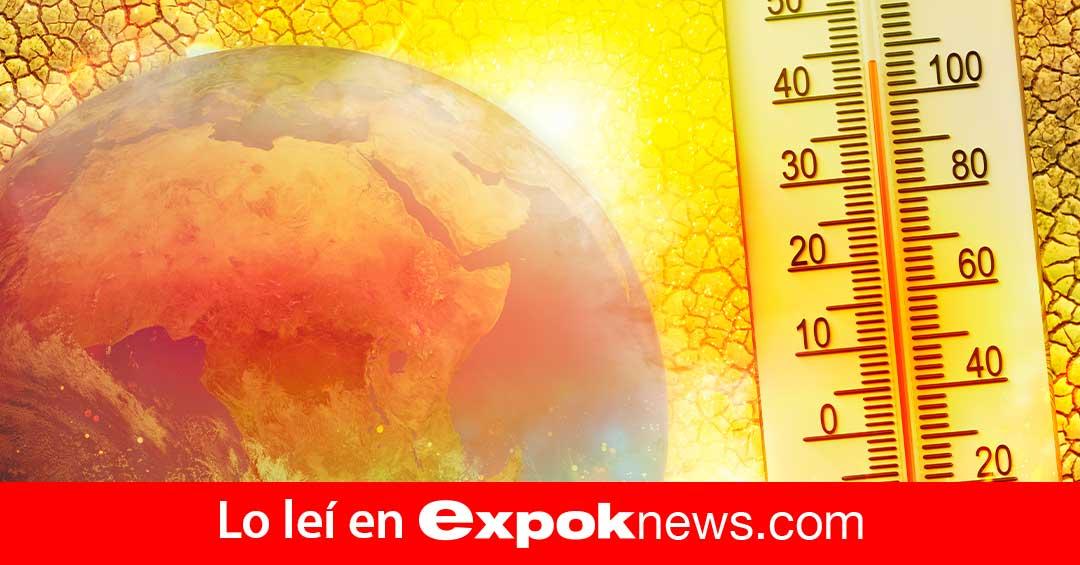
Voice of Nigeria emphasizes climate services and financial tools, stating that the report underscores “the importance of climate services—such as seasonal forecasts and early warning systems,” and it identifies “Access to financial tools, including insurance, cash transfers, and social protection programmes.” The Guardian adds a workplace dimension, quoting Ody’s call for “rules on worker safety” and describing the need for “shade, rest and water,” while it also notes that “Much more could be done to warn farmers” because “heatwaves are often predictable.” Taken together, the articles portray readiness as both technical—forecasting, stations, and apps—and social—work scheduling, shade, and compensation—aimed at reducing losses before heat becomes irreversible damage.
Consequences and the need for action
The articles emphasize that adaptation alone may not be sufficient, and they connect extreme heat to broader climate risks, including compounding hazards and the need for emissions reductions. Climate Home News warns that “Extreme heat doesn’t only damage food in the field,” and it says it “also speeds up spoilage after harvest,” turning heat stress into “income loss and poorer diets,” while it estimates “An estimated 526 million tonnes of food, about 12% of the global total, is lost or wasted because of insufficient refrigeration.” It also describes health impacts, saying “Extreme heat is one of the biggest threats to farmers’ health, driving dehydration, kidney injury and chronic disease,” and it adds that “More than a third of the global workforce, around 1.2 billion people, face workplace heat risk each year, with agriculture among the hardest-hit sectors.”
UN News similarly highlights the human toll, warning that “the number of days too hot to work could rise to 250 per year,” and it frames the report’s call to action as requiring both resilience and a “decisive transition away from a high-emissions future.” Al-Jazeera Net quotes the report’s framing of limits to incremental measures, saying experts stress that these measures remain “band-aid” solutions, and that “the only lasting remedy, according to the report, is to take ambitious and coordinated international action to curb climate change before the agricultural systems are unable to continue operating in the first place.” The Guardian reinforces this long-term framing by quoting Molly Anderson that “Adaptation has limits – the only durable response is to tackle fossil fuels, accelerate the shift to renewable energy, and invest massively in adaptation.”
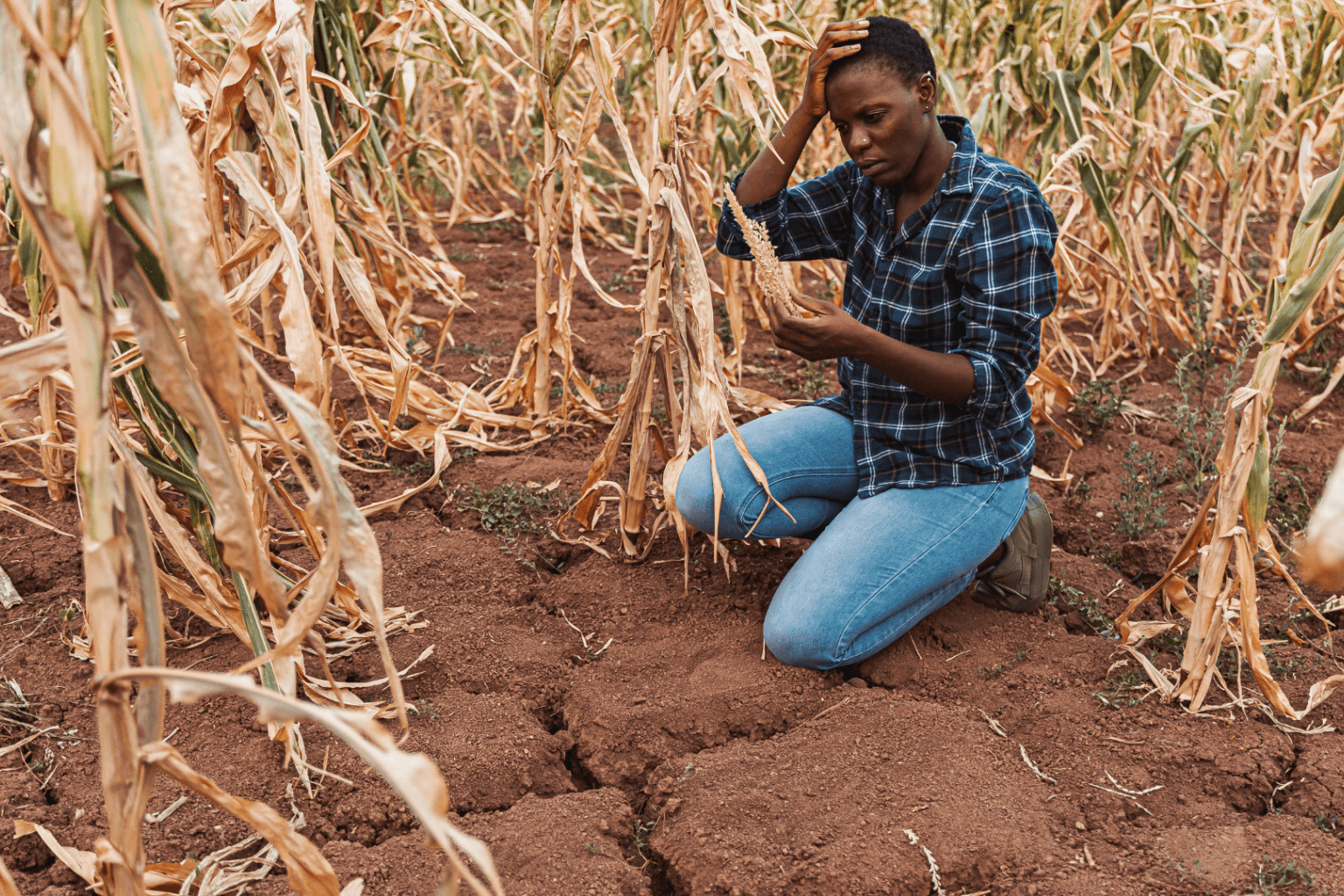
Channel Africa adds that the report warns impacts will intensify as warming continues, and it describes extreme heat as “a compounding risk factor that magnifies weaknesses across agriculture,” while it also provides concrete examples such as “a 2025 heat event in Kyrgyzstan where temperatures rose about 10°C above normal, contributing to a 25% drop in cereal harvests and triggering locust swarms.” The same UN News article includes a Brazil example, saying “prolonged heat and drought conditions in Brazil in 2023 and 2024 cut soybean yields by as much as 20%,” and it notes that a major heatwave across North America in 2021 led to “a sharp spike in forest fires.” Across these consequences, the stakes are not only harvest losses but also health, labour capacity, and the stability of food prices and supply chains, with the report’s recommended path combining early warning systems, workplace protections, and broader climate action.