South America17 November, 20252 min read
Far-Right Jose Antonio Kast Forces Chilean Presidential Runoff Against Communist Jeannette Jara
This article is an automated aggregation of coverage from news outlets. Our editorials offer in-depth analysis curated by the NewsCord team.
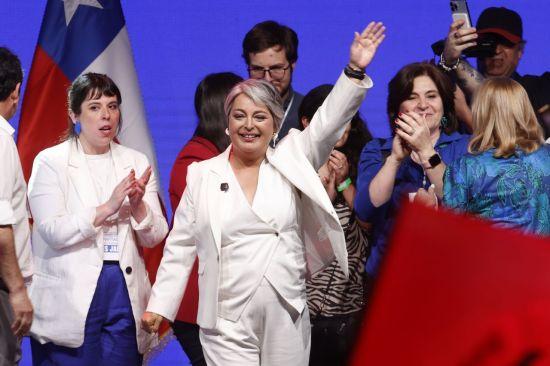
Communist Jeannette Jara and far-right José Antonio Kast will face a Dec. 14 presidential runoff First round: Jara about 26.8% of votes, Kast about 24%; neither reached a majority
39 outlets told this the same way.
Outlets did split on Alexandre de Moraes Orders Eduardo Bolsonaro Arrest, Cancels Passport, Enforces Four-Year Sentence →
Chile presidential runoff results
Chile’s presidential race has produced a sharp, polarized runoff.
“Communist lawmaker Jeannette Jara and far‑right politician José Antonio Kast placed first and second in Chile’s presidential election and will face off in a runoff on December 14 after neither cleared the 50% threshold. With 99% of ballots tallied, Jara, 51, led with 26.8% and Kast, 59, had 24%, according to the Servel electoral service.”
Communist-aligned former labour minister Jeannette Jara topped the first round with roughly 26.7–26.8% of the vote, while far-right leader José Antonio Kast trailed with about 24%.

No candidate cleared the 50% threshold, forcing a Dec. 14 head-to-head between Jara and Kast.
Election authorities and multiple outlets reported the margins and the December runoff date, noting Jara’s narrow lead in a fractured field and Kast’s surprise momentum toward the second slot.
Observers framed the outcome as a contest between two ideological extremes after high turnout under this year’s new mandatory registration and voting rules.
Security and migration
The campaign was dominated by public security and immigration concerns, which many outlets say shifted voters toward hard‑line options. Reporting repeatedly notes a sharp rise in violent crime—murders, kidnappings and extortion—and a surge in migration since 2017 that many sources quantify differently (some give 8.8% of the population, others an absolute figure near 1.6 million). Analysts and candidates linked the crime wave to foreign criminal groups and used it to justify tougher border and deportation measures, turning immigration and public safety into the defining issues of the runoff fight.
Kast vs Jara policies
Kast's platform and image were repeatedly described as hard-line and socially conservative: he pledged mass deportations, border walls, trenches and strict law-and-order measures, while some reports said he would also enact deep spending alongside tax cuts. Jara, by contrast, campaigned on social-welfare and labour proposals — higher minimum wages, a shorter workweek, stronger pensions and a proposed monthly 'living' payment — while also trying to foreground security measures such as more police and increased prison capacity. Media coverage contrasted Kast's tough migration and market-cut proposals with Jara's combination of social spending and security-focused rhetoric.
“Leftist Gabriel Jara calls for expanded welfare, a ‘living’ monthly income of about $800, gradual fiscal adjustment and infrastructure investment. Right‑leaning José Antonio Kast favors deep spending cuts, corporate tax cuts, a northern border wall and mass deportations of undocumented migrants.”
Chile runoff interpretations
Many analysts and regional outlets warned that the combined right-wing vote and endorsements from eliminated centre-right contenders could favor Kast in a head-to-head, potentially yielding Chile's most right-leaning government since the Pinochet era. Others stressed the unpredictability of runoffs and Jara's need to broaden appeal to moderates.
Commentators framed the result as part of a regional conservative upswing. They also characterized it as a referendum on outgoing President Gabriel Boric's record, with some outlets underlining geopolitical and investor concerns tied to both candidates' stances.
